Category: Poland

  • Between stabilisation and uncertainty. Polish business in the shadow of global tensions and the MPC decision

    Between stabilisation and uncertainty. Polish business in the shadow of global tensions and the MPC decision

    Polish business today operates in a reality that is best described by simultaneous stabilisation and uncertainty. On the one hand, the Monetary Policy Council’s decision to maintain interest rates provides predictability in the area of the cost of money, while on the other, growing geopolitical tensions and the volatility of the economic environment increase the risk of doing business. In this jigsaw puzzle, liquidity support tools are important. This is confirmed by data from the Polish Factors Association. In the first quarter of 2026, factoring companies financed receivables worth approximately PLN 131 billion, an increase of nearly 10% year-on-year, and the service is already used by approx. 27 thousand enterprises already use the service.

    The Monetary Policy Council’ s decision to keep interest rates unchanged is part of a broader picture of caution currently dominating economic and financial policy. In an environment of heightened geopolitical uncertainty, related among other things to tensions around the Persian Gulf and the situation in relations between Iran and the United States, central banks are increasingly opting for a wait-and-see strategy rather than quick reactions. This is also the direction signalled by the National Bank of Poland, emphasising the importance of incoming data and the volatility of the external environment.

    Risk of sudden changes

    For Polish business, this means operating in an environment where key economic parameters remain relatively stable, but at the same time are subject to significant risks of sudden changes. Of particular importance here is the energy commodity market, whose sensitivity to events in the Middle East remains high. Possible disruptions in the supply of oil or gas can quickly translate into operating costs for companies, affecting both production prices and inflation levels. From this point of view, the decision to hold off on further interest rate changes can be read as an attempt to maintain a balance between controlling inflation and supporting economic activity.

    In such an environment, the increasing use of factoring is no coincidence. Data from the Polish Factors Association shows that companies are increasingly treating it not just as a source of financing, but as an element of risk and liquidity management. More than 7 million financed invoices in the first quarter of the year is a clear sign that companies are actively shortening their cash turnover cycle and protecting themselves against payment delays.

    At the same time, the stabilisation of rates does not mean a return to the predictability familiar from earlier years. Companies operating in Poland still have to take into account scenarios in which external factors change business conditions in a short period of time. This applies not only to financing costs, but also to exchange rates, availability of capital or liquidity in supply chains. With global tensions likely to affect transport and raw material prices, the importance of flexible financial management and ongoing cash flow control is growing.

    Working capital requirements

    It is no coincidence, then, that the dynamic growth of factoring is concentrated in the manufacturing and distribution sectors, where an increase in sales means a greater need for working capital at the same time. The ability to immediately release funds from issued invoices allows companies to settle their own obligations on time and to safely develop their business, even in conditions of increased volatility.

    The scenario of further monetary easing seems to have been pushed back and any decisions will depend on the path of inflation. This means that companies should not assume a rapid fall in the cost of money as a factor for improving their financial situation. Instead, it is becoming more important to be able to adapt in an environment of persistent uncertainty and to be able to hedge risks arising from global dependencies also through the use of instruments such as factoring.

    More broadly, the current situation shows how strongly the Polish economy is linked to processes outside Europe. Even limited tensions in key regions for global trade and energy can affect the decisions of domestic institutions and the condition of companies. In this context, the importance of tools and strategies that allow companies to maintain operational stability despite a volatile environment and build resilience to external shocks is growing.


  • XTB expansion: options trading debuts in Spain and Germany

    XTB expansion: options trading debuts in Spain and Germany

    When the fintech industry’s attention is often focused on fighting for the portfolios of younger investors through simple savings plans, XTB is making a strategic shift towards a more sophisticated clientele. The Polish broker has just announced the availability of options trading in Spain and Germany, a milestone in its European expansion planned for 2026.

    The move is no accident. The choice of Spain and Germany as pilot markets suggests a desire to compete directly with local players and US low-cost giants who have long benefited from the derivatives boom. XTB is introducing access to US-type options on 110 popular stocks and ETFs in its app, targeting a segment of active traders who expect more from the platform than just passively holding stocks.

    A key element of the offering that could change the balance of power in the market is the introduction of 0DTE (Zero Days to Expiration) contracts. These instruments, which expire on the same day, have become a phenomenon on Wall Street in recent years, generating huge trading volumes but also causing controversy due to their volatility. In its European edition, however, XTB is betting on accessibility – the ability to trade fractional volumes is expected to lower the barrier to entry for investors with smaller capital, in line with the trend towards the democratisation of professional tools.

    CEO Omar Arnaout rightly points out that technology has blurred the line between professional trading and individual investing. However, for XTB, it is more than just an extension of the menu. It is an attempt to increase user retention and average revenue per client in an environment where margins on classic stock trading are under constant pressure.

  • The job market in Poland: The most desirable qualities of candidates

    The job market in Poland: The most desirable qualities of candidates

    For years, there has been a belief in technology and business circles that hard skills are the only safe currency in the labour market. However, the latest ManpowerGroup data suggests a significant correction to this thesis. The Polish labour market, traditionally associated with a strong emphasis on specialisation, is undergoing a transformation towards a model in which flexibility and development potential become more important than the sum of current technical skills.

    The analysis shows that for 39% of Polish employers the key selection criterion is now readiness to learn. This is a signal that companies have stopped looking for employees who are ‘ready for now’ and have started investing in people capable of adapting in conditions of permanent change. Professionalism and work ethic, indicated by 36% of respondents, remain the foundation, but it is the set of soft competencies – communication and teamwork – that really closes the recruitment processes.

    IT: Critical thinking instead of knowing the code

    Of particular interest is the IT sector, which breaks out of the general pattern. While flexibility dominates the overall picture, critical thinking and problem-solving (42%) takes the lead in technology. This pragmatic approach stems from the specific nature of the industry, where technology is merely a tool and the real value is the ability to break down complex processes into their essentials.

    It is worth noting that Polish employers attribute more importance to digital competencies (25%) than their global counterparts (16%). This disparity may indicate an ongoing intensive catch-up in Poland to digitise business processes, while Western markets have already shifted their focus to relationship management and inclusivity.

    The end of the “top specialist”

    Marta Szymańska of Manpower points to a phenomenon that redefines team-building strategy. With two similar technical profiles, employment is almost always determined by cultural fit and the ability to cooperate. Companies are increasingly accepting deficiencies in a candidate’s subject-matter knowledge, as long as he or she demonstrates high proficiency in acquiring new competencies.


    About the survey: The ManpowerGroup survey was conducted between 1 and 31 October 2025 on 502 companies in Poland and 39,063 globally.

  • How ON LEMON increased production by 35% with an ERP system

    How ON LEMON increased production by 35% with an ERP system

    Katowice-based ON LEMON, producer of natural lemonades, faced a classic dilemma of a rapidly growing business: how to maintain the pace of expansion when distributed data becomes the main operational brake?

    The answer came with the deep digitisation of processes. The implementation of Comarch ERP XL, carried out by technology partner Kotrak, showed that in the FMCG sector, technology is as important as the product recipe. The result? A 35% increase in the speed of production orders in just three months after implementation.

    No more ‘manual’ management

    Before the transformation, ON LEMON faced barriers typical of companies in a rapid growth phase. The lack of a centralised counterparty database forced manual data entry, which, when handling more than 2,000 customers a year, generated the risk of costly errors. The biggest challenge, however, was the ‘blind spot’ in the field. Brand managers operating in Europe – from the UK to Bulgaria – did not have real-time visibility of inventory and payment history.

    The new system integrated key areas: from the production line to accounting to business intelligence analytics. A key element became the automation of the workflow between the bottling plant and the central system, as well as a dedicated customer application that moved the ordering process to a self-service digital channel.

    Data as the foundation for decisions

    For ON LEMON’s management, the change is all about moving to evidence-based (data-driven) management. Instead of waiting for manually prepared sales reports, decision-makers gained immediate insight into liquidity and stock turnover.

    “The software has kept pace with the growth of our company,” – notes Robert Orszulak, founder of ON LEMON.

    Scalability no longer depends only on product demand, but on the performance of the company’s digital backbone. An implementation completed just before the peak sales season allowed the company to avoid bottlenecks in logistics, which in the chilled drinks industry often determines the outcome of the entire financial year. ON LEMON has proven that investment in ERP is not an administrative cost, but a strategic catalyst for exports.

  • Jacek Przybylski new General Director of Cisco in Poland

    Jacek Przybylski new General Director of Cisco in Poland

    Cisco, the networking infrastructure and cyber security giant, has made a strategic change at the top of its Polish structures. Jacek Przybylski, previously leader of the company’s Krakow centre and director of the Customer Experience area in EMEA, has taken over as general manager in Poland. This change comes at a critical time when the local market is shifting its centre of gravity from simple digitalisation towards advanced ecosystems based on artificial intelligence.

    Przybylski’s appointment is no coincidence and is part of Cisco’s broader strategy, which emphasises the synergy between professional services and security. The succession from Przemyslaw Kania, who was promoted to regional structures, suggests a continuation of steady growth, but with a new operational focus. Przybylski brings to the role a unique perspective built on 16 years’ experience at Atos, where he specialised in managed services and process optimisation. This proficiency in ‘delivery’ will be key as Polish companies increasingly look not just for hardware, but for comprehensive support in scaling AI technologies.

    New leadership means a partner that understands the European (EMEA) services market and is able to translate global innovation into the local realities of Poland’s dynamic economy. Pär Holgersson of Cisco EMEA North points to customer and partner relationships as a priority. Combining the engineering background of the Bydgoszcz University of Technology with the business acumen of HEC Paris, Przybylski seems ideally positioned to navigate this new and challenging technology landscape.

  • Digital myopia. Why SME boards should stop thinking about IT and focus on strategy

    Digital myopia. Why SME boards should stop thinking about IT and focus on strategy

    Bank Gospodarstwa Krajowego’s 2026 report ‘Digitisation in the SME sector. What will accelerate the transformation?” exposes a fascinating, yet worrying paradox of Polish business. On the one hand, as many as 64% of companies declare that digitalisation is a high or very high priority for them. On the other, however, an impressive 91.5% of organisations do not measure the results of these activities, abandoning any performance indicators. Digital transformation therefore often resembles a flight in the dark. Companies are keen to invest in modern systems, spending between 106,000 and 300,000, but this is rarely followed by a profound overhaul of decision-making processes. The difficulty lies not in the scarcity of software on the market, but in the lack of digital imagination at the highest levels of management.

    What emerges from reading the document is a picture of a market in which the main barrier to growth is the skills gap, understood, however, quite differently from what is commonly accepted. It is not the lack of technical skills among rank-and-file employees that is the biggest bottleneck, but the lack of technological insight among key decision-makers. Companies are still more willing to invest capital in infrastructure and off-the-shelf operating systems, forgetting the most important piece of the puzzle, which is staff capable of turning new tools into higher margins and better optimisation.

    Moving from intuitive innovation implementation to professional change management requires a fundamental rebuilding of perspective. The first step is to abandon conjecture-based activities in favour of implementing hard analytics, even before the first invoice for IT services is settled. The inability to measure the success of a planned technology project should be a clear warning signal before it starts. Another issue is the approach to budget modelling itself. The report shows a clear dominance of own funds, which are used by more than sixty-three per cent of respondents. Basing development solely on earned cash is safe, but can mean a loss of momentum. External support instruments, including EU programmes and earmarked funds, can serve as powerful leverage, allowing the business to scale much faster and build a competitive advantage.

    A change in optics in the area of cyber security is also extremely important. The protection of data and systems has long ceased to be solely the domain of IT departments. It is now an integral part of corporate risk management and an absolute guarantor of operational continuity. Treating investment in digital security as an unnecessary cost is a mistake that, in an age of increasing network threats, can weigh on the future of an entire organisation.

    An in-depth analysis of the statistics provided by Bank Gospodarstwa Krajowego makes it possible to distinguish clear market segments. Almost 12% of companies are true digital leaders, while less than 10% remain completely technologically passive. An organisation with a leader profile does not stop at implementing a basic customer relationship management system. It uses the data it collects to anticipate market trends, automate routine processes and stay ahead of competitors’ moves. The largest group, accounting for 57% of the sector, is still in its infancy. Looking ahead to the next few years, this safe middle ground will begin to erode in the market and cost pressures from the leaders will become ruthless.

    Digital maturity is not ultimately a product that can be acquired through a tender. It is a complex process of transforming the entire DNA of a company. Delegating responsibility for digitalisation solely to the technical divisions is commonplace, but from a strategic perspective deeply misguided. Allocating significant financial resources to new IT systems, while failing to invest in the development of management competencies, is a path fraught with unnecessary risk. The real transformation begins not in the state-of-the-art server room, but in the boardroom, where technology must finally begin to speak the language of profit, efficiency and long-term strategy.

  • Red Square Games raises £1m from Gravier Investment ASI

    Red Square Games raises £1m from Gravier Investment ASI

    NewConnect-listed Krakow-based studio Red Square Games has just finalised a private placement of shares, raising PLN 1 million from Gravier Investment ASI. While the amount may seem modest on a global gaming scale, the deal sheds light on a wider trend: the turn of smaller developers towards stable, institutional funding in the face of an increasingly difficult publishing market.

    At a price of PLN 10.24 per series I share, the company decided to issue 97,657 new shares with a total exclusion of pre-emptive rights for existing shareholders. This strategy, although dilutive, allows for an instant injection of working capital without having to go through the arduous public process. For Gravier Investment, it is an opportunistic move – entering an entity that has made revenue diversification its main asset.

    Red Square Games is moving away from the risky ‘one-hit wonder’ model typical of small studios to a hybrid business model. The company is aggressively building a publishing leg in the board and card games segment (so-called “unplugged games”), as can be seen from recent licensing agreements for titles such as Cereal Killer and Blooming Sea. This diversification of the portfolio allows the company to stabilise its cash flow in the periods between major video title launches, which for ASI investors is a signal of management maturity.

    CEO Krzysztof Wolicki stresses that the cash injection will be used to scale operations and accelerate production work. In practice, this means that Red Square Games is trying to run to the front of the line – towards medium-sized productions (AA), which have a better chance of breaking through in crowded digital shops.

    It remains an open question whether PLN 1 million will be enough to meet ambitious publishing plans in 2026. However, given the pace at which the company is securing distribution rights for new titles, today’s issue looks like the foundation for a larger funding round or strategic acquisition in the coming quarters.

  • In 2026, the lack of an ESG strategy is a real financial risk – Przemysław Brzywcy, Polenergia Fotowoltaika

    In 2026, the lack of an ESG strategy is a real financial risk – Przemysław Brzywcy, Polenergia Fotowoltaika

    While energy stock market quotations may give an illusory sense of stability, the reality for entrepreneurs is shaped by expenditure on grid upgrades and the stringent requirements of Western contractors. In this new dispensation, photovoltaics and energy storage are becoming a critical tool for optimising the bottom line.

    We talk to Przemysław Brzywcy, CEO of Polenergia Fotowoltaika, about whether Polish companies are ready to ‘move energy over time’, why the lack of a low-carbon strategy may cut off access to capital and how to realistically secure a budget in 2026.

    Brandsit: In today’s market reality, is the transition to green energy still mainly a matter of image-building for the company, or is it already a hard cost optimisation that defends itself in the financial results?

    Przemysław Brzywcy: Just looking at the quotations of the Polish Power Exchange over the last two or three years, one might get the impression that energy prices have fallen and the topic is no longer pressing. However, this is a very apparent picture.

    In parallel to the price of energy itself, distribution charges are rising steadily, and far faster than inflation. This is due to the need for huge investments in the modernisation and expansion of the grid, which are necessary in order for the system to accommodate increasing amounts of renewable sources. These outlays are then naturally passed on to the grid users.

    In addition, large-scale RES projects under ERO auctions and contracts for difference are coming into the system. When these installations come on stream, the costs of operating the system will also be spread across all consumers.

    As a result, companies do not just pay for the ‘price of energy from the exchange’, but for the whole system. Therefore, investments in photovoltaics and energy storage cease to be an image element and become a very rational tool for cost optimisation, which can be seen in the financial results in real terms.

    Brandsit: Combining energy storage with dynamic tariffs sounds promising, but requires a change in thinking about power consumption. Are Polish companies technologically ready to automatically control their energy consumption depending on the instantaneous price of energy, and how do storages help in this?

    P.B.: This does indeed require a change in approach, but technologically Polish companies are increasingly better prepared for this. Many plants already have energy monitoring and management systems in place, and their integration with energy storage and algorithms that react to market prices is not a technological barrier today, but rather a matter of a business decision.

    In my opinion, this is one of the most underestimated directions for optimising energy costs. Companies very often have an unstable demand for power, which generates additional costs, overrun charges and the risk of price fluctuations. Energy storage makes it possible to compensate for this instability by stabilising the consumption profile.

    “Integration with energy storage and market price-responsive algorithms is not a technological barrier today, but rather a business decision issue.”

    Tariffs linked to the energy market, on the other hand, offer the opportunity to buy electricity at times of very low or even negative energy prices and to reduce consumption when prices are highest. You could say that we ‘transfer’ energy over time.

    This allows the company to simultaneously take advantage of market opportunities and hedge against price spikes. In practice, it is a solution that, when properly designed, can significantly improve the economics of a company’s overall energy consumption and increase its cost predictability.

    Brandsit: Are you observing a trend where Polish companies are having to switch to green energy not by their own choice, but under pressure from Western contractors who require suppliers to report a zero carbon footprint?

    P.B.: Yes, this is a very clear and widespread trend that we are seeing with our customers, especially those with export operations in Western European markets. You can see it strongly in the food industry, but also in the whole supply chain linked to the automotive sector.

    Increasingly, Polish companies involved in these supply chains have to report their carbon footprint and demonstrate the share of energy from renewable sources. In many industries, this is no longer an advantage, but a condition for keeping the contract.

    At the same time, entrepreneurs are seeing more and more clearly that this is not just a response to ESG requirements or contractor expectations. Properly designed RES-based solutions simply pay off. Green energy is ceasing to be an image element and is becoming a source of real cost and competitive advantage.

    That is why companies today combine two aspects. On the one hand, they are building their credibility with their foreign partners, and on the other, they are making an investment that is defended by a very concrete business case.

    Brandsit: To what extent does the lack of an implemented ESG strategy and the use of conventional energy sources make it difficult for companies today to obtain cheap investment credit or attract investors?

    P.B.: To a very large extent. Financial institutions and investment funds are increasingly evaluating companies not only through the prism of financial performance, but also through how they manage environmental and energy risks. The lack of an ESG strategy, including the lack of energy transition measures, is having a real impact on financing conditions today.

    “The lack of an ESG strategy, including the lack of energy transition activities, is having a real impact on financing conditions today.”

    It is also of paramount importance for exports. Foreign contractors pay attention to how goods are produced and what energy is used in the manufacturing process. This ceases to be an element of image and becomes an element of assessing business credibility.

    Brandsit: What one key step would you advise company managements who want to not only meet the new regulatory requirements in 2026, but above all to realistically protect their budgets against rising energy costs?

    P.B.: First of all, ask for a solid business case. Boards should talk to technology providers in a very simple way – ‘how will this investment pay off in my organisation’. Whether we are talking about solar PV, energy storage or a combination of both.

    It is worth clearly defining acceptable criteria for the rate of return and evaluating these solutions from this angle. Photovoltaics or energy storage are not gadgets or fashion items today. They are real, quantifiable tools that allow a company to stabilise its energy costs and improve its bottom line.

  • The end of cheap labour. Poland relies on AI experts

    The end of cheap labour. Poland relies on AI experts

    Poland’s modern business services (BSS) sector is undergoing its most fundamental transformation since its accession to global supply chains. The latest Hays 2026 Salary Report paints a picture of a market that is definitively breaking away from the label of ‘Europe’s back-office’. The era of simple, transactional processes based on pure cost arbitrage is giving way to an advanced technological ecology in which the primacy of expertise over labour volume is becoming the new paradigm.

    Algorithmic revolution in the employment structure

    Underpinning this change is the unprecedented adoption of artificial intelligence. In just twelve months, the percentage of workers in the sector using AI tools has risen from 37% to 60%. This is not just a tool evolution, but a structural upheaval. Automation is successively cannibalising simple administrative tasks, resulting in the extinction of quantitative recruitment projects. Instead of competing on the price of a man-hour, Poland is starting to bid on the quality of intellectual capital.

    The new currency of competence: Hybrid and Expertise

    Despite the ongoing transformation, the sector is not losing its growth momentum, although it is changing its vector of expansion. As many as 82% of organisations plan to actively recruit, focusing, however, on highly specialised profiles. The current needs landscape is defined by three pillars:

    • Technology: the dominance of AI, machine learning (63%) and data analytics.
    • Strategy: People management and business analysis (66%).
    • Adaptability: Ability to permanently re-skill and operate in a hybrid model.

    Investors, who only a few years ago were locating IT support centres in Poland, are now looking here for cyber-security architects and specialised software engineers. This shift is creating a specific market tension: with an increasing number of applications, as many as 41% of companies report a critical shortage of specialist competences.

    Outlook: Towards a high value-added economy

    Although the process of phasing out simple processes raises natural concerns in regions heavily dependent on the traditional BPO model, in the long term it is a healing process for the Polish economy. The shift from task execution to strategic value creation positions Poland as a mature technology market.

    Success in this new reality will depend on the synergy of the public and private sectors in the area of workforce retraining. Poland enters 2026 with moderate optimism, turning quantity into quality and cheap labour into a unique synergy of human intelligence and algorithms.

  • The Council of the Future is formed – with leaders from ElevenLabs, Klarna and ICEYE

    The Council of the Future is formed – with leaders from ElevenLabs, Klarna and ICEYE

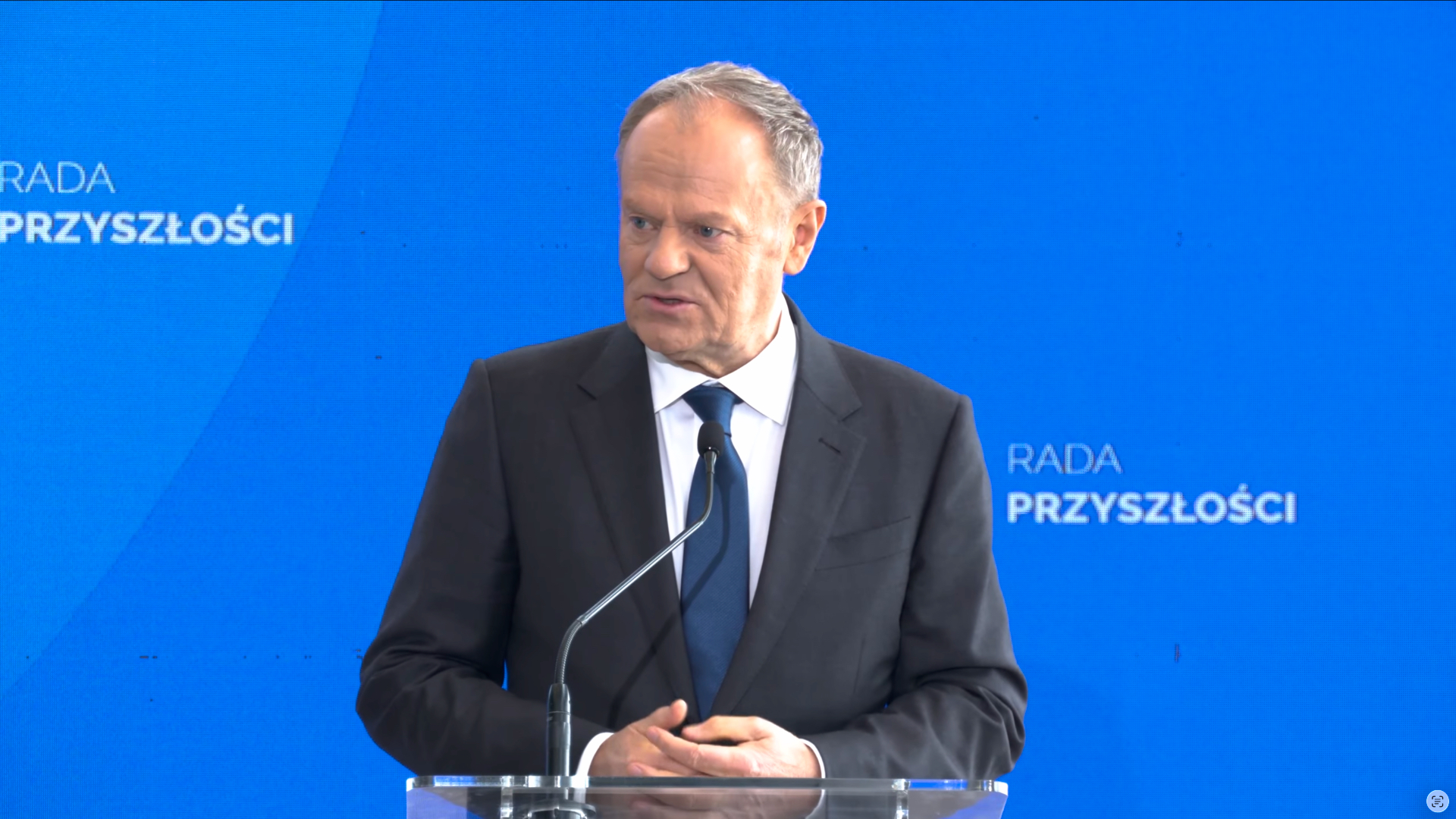
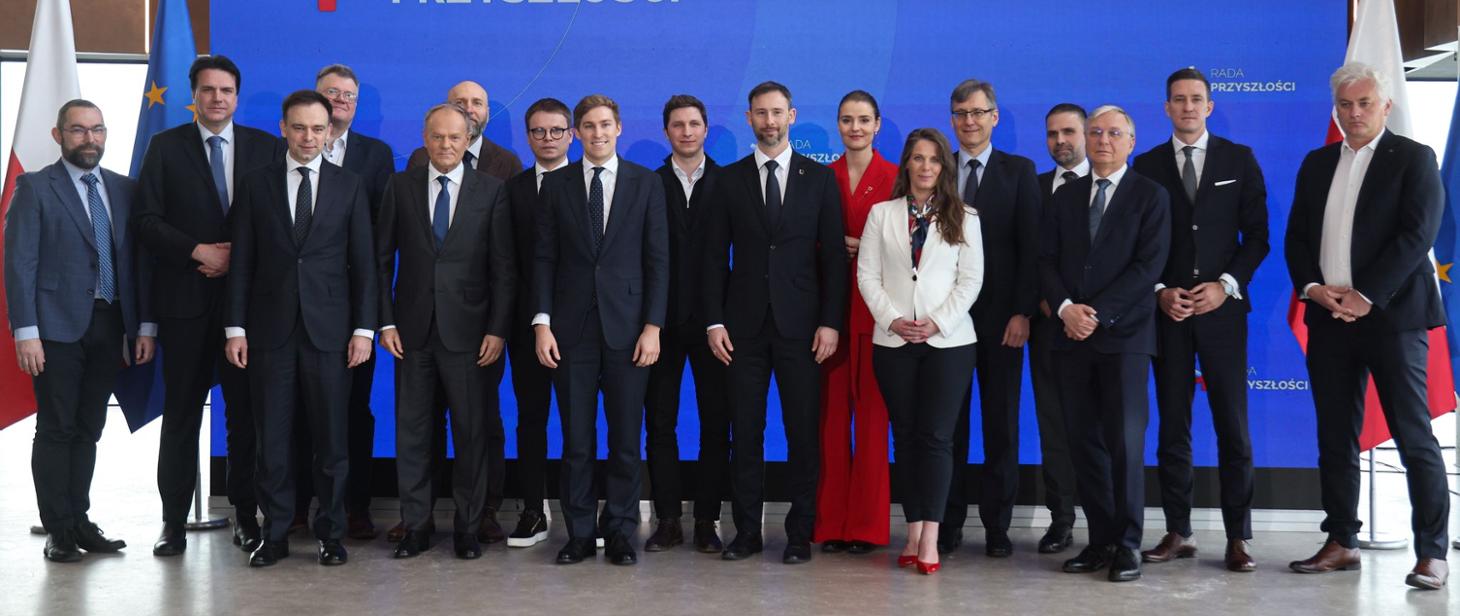
    In a high-tech world, where the pace of innovation often outpaces legislative processes, Poland is making a move to strengthen cooperation between the government and the technology elite. The establishment of the Council of the Future, announced on Tuesday in Warsaw’s Skyliner office building by Prime Minister Donald Tusk and Finance Minister Andrzej Domański, signals Warsaw’s desire to stop being merely a recipient of technology and become its active architect.

    The initiative is not just a prestige advisory body. The composition of the 18-member panel indicates a precise selection of experts from sectors that will define the global economy of the next decade: from artificial intelligence and biotechnology, to space technologies and the defence sector. The presence of figures such as Mati Staniszewski of ElevenLabs, Rafal Modrzewski of ICEYE and Sebastian Siemiątkowski of Klarna suggests that the government is looking for direct insight into the mechanisms of scaling businesses with global reach.

    Minister Andrzej Domański, who will head the Council, made it clear: Poland is in a global race in which human capital is the main asset. From the point of view of business, the key challenge for this body will be to translate academic knowledge into real market value. The participation of Piotr Sankowski from IDEAS NCBR or Prof Krzysztof Pyrić is expected to ensure that Polish innovations do not remain confined to laboratories, but find an outlet in commercial implementations.

    For investors and entrepreneurs, the creation of the Future Council is a signal of stabilisation of the state’s priorities. The inclusion in the talks of leaders such as Piotr Wojciechowski of WB Group or Jarosław Królewski of Synerise suggests that economic policy will be more strongly oriented towards technological sovereignty and support for indigenous unicorns.

    Although the detailed competences of the Council are still in the process of being clarified, the very fact of creating such a high-level ‘think-tank’ at the Prime Minister’s Office changes the narrative about the Polish innovation ecosystem. Instead of scattered grants, what can be seen is an attempt to create a coherent strategy in which the state acts as a partner to the fastest growing industries. The success of this initiative will be measured not by the number of meetings, but by the government’s ability to quickly remove the regulatory barriers that today hamper the Polish DeepTech sector.

    “Poland is today the 20th economy in the world – this is a great success, but it is not given once and for all. Therefore, we need to build new advantages and win in the global race,” said Minister Andrzej Domański.

    Council for the Future
    Source: Ministry of Finance

    The council consists of:

    • Dominik Batorski, sociologist and data science expert, associated with the interdisciplinary Centre for Mathematical and Computer Modelling at the University of Warsaw;
    • Grzegorz Bron, CEO of Creotech Instruments;
    • Sebastian Kondracki, Chief Innovation Officer at Devinity, one of the creators of the Polish AI model Bielik;
    • Tomasz Konik, CEO of Deloitte Central Europe;
    • Jarosław Królewski, CEO and co-founder of Synerise;
    • Rafal Modrzewski, President of ICEYE;
    • Aleksandra Pędraszewska, technology entrepreneur;
    • Pawel Przewieźlikowski, CEO of Ryvu Therapeutics;
    • Krzysztof Pyrć, Chairman of the Board of the Foundation for Polish Science, Professor of Biological Sciences and Virologist;
    • Mikołaj Raczyński, Vice President of the Polish Development Fund for Investment;
    • Piotr Sankowski, President of the IDEAS Research Institute and Professor at the Institute of Computer Science, University of Warsaw;
    • Mati Staniszewski, CEO of ElevenLabs;
    • Sławosz Uznański-Wiśniewski, European Space Agency astronaut;
    • Marta Winiarska, President of the Board of the Polish Association of Innovative Medical Biotechnology Companies BioInmed;
    • Piotr Wojciechowski, Chairman of the Board of WB Group the largest Polish private technology and defence group;
    • Stefan Batory, co-founder of Booksy;
    • Aleksandra Przegalińska, Rector for Innovation at Kozminski University in Warsaw;
    • Sebastian Siemiątkowski, co-founder and CEO of Klarna Bank.
  • New balance of power in Europe: Warsaw enters the first investment league

    New balance of power in Europe: Warsaw enters the first investment league

    For years, Warsaw was perceived by global capital as a safe haven, but confined to the context of Central and Eastern Europe. However, the latest data from CBRE’s European Investor Intentions Survey 2026 report suggests a deeper structural change. The Polish capital ranked third in the ranking of the most attractive cities for real estate investment, behind only London and Madrid.

    The displacement of Warsaw ahead of such metropolises as Paris, Milan and Berlin is not a coincidence, but the result of a confluence of three factors that become crucial for fund managers in 2026.

    Firstly, Poland’s macroeconomic stability has become a hard currency in times of market turbulence. When asked about the markets with the highest projected return, investors point to Poland as the leader in GDP growth, ahead of its western neighbours in real terms. This has meant that Warsaw has ceased to be regarded as an ’emerging’ market and has begun to be seen as a mature alternative to the saturated and low-supply markets of Western Europe.

    Secondly, the rental fundamentals in the capital remain exceptionally strong. Przemysław Felicki of CBRE notes that the city is now operating at one with well-established locations, which attracts capital looking not only for security, but also for a measurable increase in asset value. While Spain (the leader of the country ranking) is tempting investors with its tourism and residential sectors, Poland is winning out with its role as the region’s largest economy and operational base for international business.

    Finally, psychological change is important. Poland’s third place in the country ranking maintained consistently for three years in a row builds confidence that was often lacking in previous decades. For CFOs and real estate portfolio managers, Warsaw is becoming an obvious point in their capital allocation strategy for 2026.

    Although London remains the undisputed leader thanks to its liquidity and scale, it is Warsaw’s dynamism – combined with its modernising infrastructure and predictable rates of return – that is defining a new balance of power on the European business map. The Polish capital is not only chasing the West; in the eyes of investors, it has just started to overtake it.

  • Action S.A. opens the year with double-digit growth

    Action S.A. opens the year with double-digit growth

    According to the latest current report, the Action group generated revenues of PLN 258 million in January 2026, a solid 11.2 per cent increase compared to the same period last year.

    For investors and analysts who follow the technology trading sector, these figures are more than just a seasonal blip. January, traditionally regarded as the month of the ‘post-Christmas slowdown’, has become a proving ground for Action to demonstrate operational prowess. However, the key to understanding the company’s current health is not turnover per se, but margin management discipline.

    The management highlighted that the group’s margin remains consistently high at around 8%. In a distribution business characterised by historically low spreads, such a result demonstrates effective portfolio diversification. Action has been consistently moving away from its role as a simple hardware broker to a value-added distributor (VAD) and a strong player in the e-commerce and private label segments.

    Maintaining an eight per cent margin on double-digit sales growth suggests that the company is effectively managing its supply chain and optimising operating costs, while avoiding aggressive price wars that could hollow out its financial foundations. This margin-first approach allows the group to build a safe buffer in the face of a volatile economy and currency fluctuations that directly affect the price of imported electronics.

    Looking at January’s results, Action is positioning itself as an entity that can scale the business without sacrificing profitability. Against the backdrop of global trends, where e-commerce giants are putting increasing pressure on distributors’ margins, the Warsaw-based company seems to have developed a unique niche. Investors will now be on the lookout to see if this momentum continues in the coming quarters, which could define 2026 as a time of further expansion and market consolidation.

  • The big leak from small screens. The smartphone is the weakest link in the payment chain

    The big leak from small screens. The smartphone is the weakest link in the payment chain

    The modern smartphone has ceased to be merely a communication tool, becoming a command centre for finances and the main shopping terminal. According to the latest BIK Anti-Fraud Report, as many as 82% of users in Poland treat the phone as their primary e-commerce tool. However, where capital and consumer attention flow, cybercriminals also follow. The data paints a worrying picture: the dynamic growth of m-commerce goes hand in hand with users’ striking carelessness when it comes to security.

    The scale of the phenomenon is unprecedented. The e-commerce sector in Poland is expected to reach a value of PLN 192 billion by 2028, half of which will be mobile transactions. This market optimism is clouded by the fact that as many as 61% of shoppers perceive a real risk of data theft. Criminals are looking less and less for vulnerabilities in code and more often for psychology. Phishing attacks, carried out via SMS (40% of indications) and instant messaging (22%), take advantage of shopping impulsiveness. The promise of a ‘bargain of a lifetime’ in a push notification is becoming a digital lock for Poles’ savings.

    The most striking finding of the BIK report, however, is not the technical sophistication of the fraudsters, but the low security culture on the consumer side. In an era of biometrics and advanced algorithms, one in six respondents do not use a screen lock at all. The lack of digital hygiene also manifests itself in the approach to software updates – only 47% of users use automatic security patches, which are a critical barrier against new strains of malware.

    The result of this loophole is the financial losses generated by fake online shops, which already account for 43% of all fraud damages. This is twice as high as the media-publicised ‘fake investments’. For the business sector, this sends a clear signal: lack of trust is becoming a barrier to growth. With 17% of Poles declaring that they abandon online shopping due to concerns about payment security, the fight against cybercrime is no longer the domain of IT, but is becoming a key element of sales strategy.

    In the age of instant payments, passive avoidance of suspicious links is not enough. The future of m-commerce belongs to proactive protection systems, such as BIK Alerts or darknet monitoring, which reduce incident response times to an absolute minimum. Without consumer education and systemic anti-fraud solutions, the smartphone, instead of being a window to the global marketplace, will remain an unprotected wallet on display.

  • A 15-year alliance between R.Power and Cisco. Polish photovoltaics will gain new capacity in 2027

    A 15-year alliance between R.Power and Cisco. Polish photovoltaics will gain new capacity in 2027

    Securing the supply of green energy is becoming as important as software development. The latest deal between networking giant Cisco Systems and Poland’s R.Power Group sheds light on the maturation of the European vPPA (Virtual Power Purchase Agreement) market.

    The contract is for an impressive 470 GWh of energy to be produced by four new photovoltaic farms in Poland. For Cisco, this is not only an achievement of its ESG goals, but a strategic operational safeguard for key assets, including its expanded technology centre in Kraków. From a business perspective, the move shows that global corporations have stopped treating green energy as a marketing add-on and have started to see it as a key component of the supply chain.

    Capital leverage for the region

    For R.Power, an agreement with such a prestigious partner signals its readiness to serve the most demanding corporate customers. The 15-year time horizon of the contract provides the company with the cash flow stability necessary to finalise the construction of the power plants in Wydartów, Bieżyce, Ostrzeniewo and Nowy Zagórze. These projects are expected to reach operational readiness in 2027, which is part of a broader trend of accelerating RES investments in Central Europe.

    It is worth noting the role of the Sustainability Roundtable, Inc. (SR Inc.) and the Net Zero Consortium for Buyers initiative. Their participation in the transaction suggests that the market is moving towards greater standardisation and consolidation of demand. Such mechanisms make even complex, cross-border deals accessible to a wide range of players, lowering the barrier to entry for private capital into the energy transition sector.

    Balance of profits

    From a business strategy perspective, the vPPA with R.Power allows Cisco to decarbonise without physically owning the power infrastructure. This is an asset-light model that fits perfectly with the nature of the IT industry. At the same time, for the Polish energy market, the entry of such capital means an impetus to modernise the network and build a flexible system that will have to accommodate the growing demand from the technology sector in the coming years.

    In the face of rising allowance prices and regulatory pressure, the alliance between Cisco and R.Power is more than a press release – it is a pragmatic calculation in which the stability of energy costs becomes the new determinant of competitiveness in the global market.

  • Polish tech-retail under the magnifying glass: What does the OCC’s raid on distribution giants mean?

    Polish tech-retail under the magnifying glass: What does the OCC’s raid on distribution giants mean?

    There is a chill in the Polish technology and consumer electronics retail sector that has nothing to do with the seasonal weather. The Office of Competition and Consumer Protection(UOKiK) has made a decisive move, conducting searches at the headquarters of key players: listed giants AB and Action, GT Group distributor Tomaszek and white goods manufacturer Beko. The scale of the operation, conducted assisted by the police, suggests that the regulator is not just looking for minor misconduct, but is tracking systemic price collusion.

    For market observers, the entry of controllers into AB S.A. – a leader in the CEE region with revenues of almost PLN 15 billion – is a signal that the proceedings strike at the very heart of the supply chain. If the suspicions of horizontal and vertical agreements are confirmed, we will witness one of the largest antitrust trials in this part of Europe. UOKiK president Tomasz Chróstny points to the potentially wide reach of the collusion, which could involve not only wholesalers but also the largest electromarket chains.

    From a business perspective, the stakes are gigantic. The IT and consumer electronics/appliances distribution system is based on low margins and huge volumes. Any interference in the free market by artificially maintaining prices or dividing spheres of influence hits consumers’ wallets directly, but above all destroys fair competition between smaller players. For the companies involved, the risk is twofold: financial and reputational. Fines of up to 10% of annual turnover can drastically shake the liquidity of even such large entities, and the personal liability of managers (up to PLN 2 million) casts a shadow over the corporate governance (ESG) of the companies listed on the WSE.

    The secured hard drives and documentation are currently being analysed. Proceedings are ongoing “in the case”, which gives companies room to cooperate, but the stock market reaction of investors is rarely balanced in the face of legal uncertainty. If the evidence proves solid, the Polish electronics market is in for a painful adjustment in trading standards. In the world of modern retail, where pricing algorithms are increasingly replacing traditional negotiations, the line between optimisation and collusion is becoming a priority battleground for regulators.

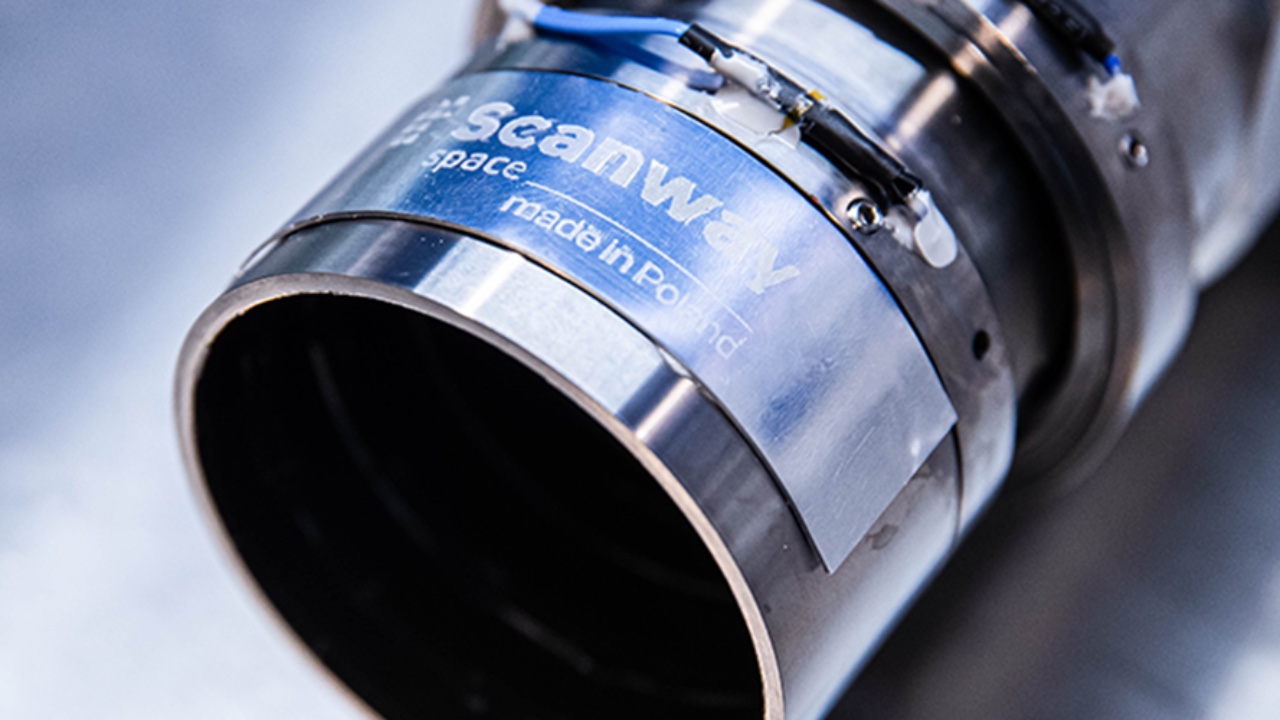
  • Scanway leaves NewConnect. Strategic move by the deep tech giant to the main floor of the WSE

    Scanway leaves NewConnect. Strategic move by the deep tech giant to the main floor of the WSE

    In the world of technology companies, the transition from the alternative market to the main floor of the stock exchange is often seen as a rite of passage. However, in the case of Wrocław-based Scanway, the submission of a full prospectus to the Polish Financial Supervision Authority is not just a formality, but a precisely planned strategic move that reflects the maturation of the Polish space sector.

    The decision to debut on the WSE’s main market, planned for the end of the first and the beginning of the second quarter of 2026, is distinguished by a pragmatism that is rare at this stage. The company has opted for a so-called technical transition, forgoing a new share issue. This signals to investors that Scanway now has sufficient financial ‘runway’. This comfort was provided by last year’s entry of TFI PZU, which invested PLN 15.3 million, taking over 5% of the shares.

    For Scanway, the change of trading floor is primarily a battle for institutional credibility. In the space and advanced industrial optics sector, where contracts are multi-year and international in nature, the company’s main market status is an important asset in negotiations with global players. Jędrzej Kowalewski, the company’s CEO, rightly points out that this transition will make it easier to access capital in the future if acquisition opportunities or the need to fund scalable projects arise.

    The figures speak in the company’s favour. In the last quarter of 2025, Scanway dominated NewConnect, generating 14% of the total market turnover. Such liquidity, with 358 listed entities, made the company a giant in the small backyard. The move to the WSE will allow Scanway to move beyond the local ‘growth’ spectrum and attract investment funds that bypass smaller trading floors for statutory reasons.

    Scanway’s business model, based on two pillars – optical instruments for microsatellites and quality control systems for industry – seems immune to market cyclicality. While the space segment builds long-term value and margin, solutions for industry (Industry) provide ongoing monetisation of the technology.

    In a broader context, Scanway’s success will be a test for the Warsaw Stock Exchange. The question is whether the WSE is ready to become a viable funding centre for European deep tech. If Scanway’s debut goes smoothly, it could become a catalyst for more companies in the space sector that have so far been wary of the rigid regulatory corset of the main market.

  • A new course for Wrocław IT: SI-Consulting sets its sights on integration under the AKQUINET banner

    A new course for Wrocław IT: SI-Consulting sets its sights on integration under the AKQUINET banner

    In the world of IT services, where local expertise is increasingly faced with the need for global scale, Wrocław-based SI-Consulting is making its most important strategic move in years. The company has just announced a rebranding and will operate as akquinet consulting from 27 January 2026. This is the culmination of a three-year process of assimilation into the structures of the German AKQUINET Group and sheds new light on the consolidation of the technology consulting market in the CEE region.

    The decision to abandon the SI-Consulting brand, recognisable on the Polish market, in favour of a unified international identity is not just an aesthetic change. In an industry dominated by the struggle for talent and access to niche competencies such as advanced SAP implementations or business process optimisation, the move reflects a drive for full operational synergy. The AKQUINET Group, which currently employs around 900 professionals in more than 20 locations on three continents, is positioning itself as a player capable of handling contracts of a scale that may have hitherto been beyond the reach of local players.

    Paweł Rytelewski, board member of akquinet consulting, describes the rebranding as a natural stage in the maturation of the organisation. From a business perspective, a key element of this transformation is the promise of a seamless flow of knowledge between branches in Europe, the US and Brazil. For the Wroclaw-based company’s existing clients, this means direct access to a global portfolio of services while maintaining a local management team and existing service standards.

    In turn, Dr Volker Gerd Fischer, CEO of akquinet GmbH, emphasises the strategic importance of the Polish market. Since the acquisition in 2023, SI-Consulting has been regarded as a key bridgehead for expansion in Central and Eastern Europe. Full integration under a common logo with a sail motif is expected to symbolise new dynamics and facilitate cross-border IT projects.

    In a macroeconomic context, the akquinet consulting movement is part of a broader trend in which strong, specialised national players are choosing to integrate deeply into foreign capital structures. In the world of modern IT, where innovation requires increasing investment, being part of an international ecosystem is becoming a prerequisite for maintaining a competitive edge. The Wrocław team, under a new banner, faces the opportunity to turn local confidence into global results.

  • Pragmatism instead of optimism. How Polish trade escapes costs in AI

    Pragmatism instead of optimism. How Polish trade escapes costs in AI

    Polish retail enters 2026 without illusions, but with a precisely outlined plan for survival in a difficult macroeconomic environment. Although the past twelve months have been marked by stabilisation, the mood among industry leaders remains cool. The latest ‘Retail Barometer’ prepared by Future Mind paints a picture of a sector that has stopped chasing innovation and has started to treat technology as a shield against rising operating costs.

    The data is unambiguous: three out of four experts assess the current situation of the industry as poor or average at best. None of those surveyed chose to describe the condition of the market as ‘very good’. This reticence is due to tough cost pressures, which are cited as the main challenge by as many as 67% of managers, and increasingly restrictive regulations. In this landscape, priorities have shifted sharply. HR issues or sustainability demands, which not long ago dominated the agenda, are now of interest to only 5% of respondents.

    Instead of burying their heads in the sand, however, retailers are preparing a technology offensive. Almost 40% of companies are planning to increase their investment in IT infrastructure, a significant jump from last year’s 24%. Interestingly, this capital will not be dispersed. The industry is betting on specific optimisation tools: artificial intelligence, data analytics and cloud technologies. As Tomasz Koperski, CEO of Future Mind, notes, technology has ceased to be a marketing gadget in commerce. It has become a foundation for transforming processes to deliver real savings and allow for a better understanding of the customer in an increasingly fragmented digital world.

    For Polish players, the key to growth is to go beyond the saturated local market. Almost half of the decision-makers point to foreign expansion as the biggest growth opportunity. Supporting this process are to be advanced e-commerce platforms and AI-based personalisation, which allow for rapid business scaling without huge fixed costs abroad.

    In 2026, the winners will not be the companies with the largest innovation budgets, but those that most effectively implement automation in logistics and daily customer communication. The retail industry in Poland is maturing – it is abandoning optimism in favour of pragmatism, knowing that in times of geopolitical uncertainty, the only constant is the need for continuous optimisation.

  • Russian military intelligence was behind December’s cyber attack on Poland’s critical infrastructure

    Russian military intelligence was behind December’s cyber attack on Poland’s critical infrastructure

    The December attempt to paralyse the Polish electricity system, attributed by ESET analysts to the Russian group Sandworm, is a critical point of reference for utility leaders in Central Europe. Although Prime Minister Donald Tusk and the Ministry of Climate and Environment confirmed that the integrity of the grid was preserved, the operation exposes a new risk dynamic in the region.

    According to the findings of experts from Slovakia-based ESET, the attackers used a tool called DynoWiper. This is wiper software whose sole purpose is to irretrievably destroy data on infected workstations, rendering control systems useless in practice. The technical coincidence of the code with previous operations of Sandworm – a unit directly linked to the Russian military intelligence service GRU – leaves no illusions about the intentions: the aim was not to steal data, but to cause a physical blackout.

    For executives, the temporal context is crucial. The attack came exactly on the tenth anniversary of the same group’s strike on Ukraine’s power grid, which went down in history as the first case of digital blackout. The fact that Poland – a key logistics hub for Ukraine – became the target of such an aggressive operation suggests that the critical infrastructure of NATO countries is no longer a ‘no-go zone’ for destructive cyber activities.

    From a business perspective, the incident is forcing a revision of the resilience strategy. The successful defence of the Polish system, described by Minister Milosz Motyka as the most serious test in years, proves that investments in network segmentation and advanced traffic analytics are yielding a real return. However, the emergence of DynoWiper signals that traditional backup systems may be insufficient if recovery processes are not fully isolated from the core operational infrastructure.

  • Scanway in the US: A 4,3 mln contract and a shift towards a subscription model

    Scanway in the US: A 4,3 mln contract and a shift towards a subscription model

    Scanway, a Wrocław-based company listed on the NewConnect market, has taken a significant step towards scaling its business in the world’s most competitive space market. The company has entered into a cooperation agreement with a US space entity to provide a new class of optical instruments for a planned constellation of Earth observation (EO) satellites. The value of the contract for the first instrument is estimated to be around USD $4.3 million, but key to the company’s long-term valuation appears to be the change in business model that this agreement inaugurates.

    From an operational perspective, Scanway has committed to delivering an advanced telescope integrating several cameras operating in different wavebands. The delivery time is set at 24 months from the operational start of the project. Payments will be made in tranches when milestones are reached, which is standard in the industry, allowing for ongoing funding of R&D work. Although the identity of the US partner has not been disclosed, the announcement points to an established entity, carrying out missions for both commercial clients and government institutions, which significantly reduces execution risk on the part of the contracting authority.

    The most interesting aspect of the deal, however, is the revenue layer beyond hardware sales. Scanway is entering into a Data-as-a-Service (DaaS) model. This means that the Polish company will not only provide the ‘eye’ of the satellite, but will also participate in the profits from the sale of the data generated by the instrument. The mechanism is that data streams will be made available to end customers in a subscription model, with a portion of these revenues going directly to Scanway.

    The significance of this contract structure is twofold. Firstly, it allows Scanway to generate recurring revenue (ARR), an indicator particularly valued by technology investors and stabilises cash flow in the long term. Secondly, profits from DaaS are expected to co-finance the construction of further instruments for the US partner. This creates a self-perpetuating growth mechanism in which the commercial success of the first satellite directly funds the expansion of the entire constellation, without the need to constantly seek external capital for new instruments.

    For Scanway, which made its IPO in 2023, this is a strategic validation of the technology. Entering the US – a market with the highest barriers to entry, but also the largest budgets – with a new optical instrument architecture positions the company in a new league of suppliers. If the first phase of the project is successful, the Polish entity could become a permanent part of the supply chain for US EO constellations, diversifying its portfolio with high-margin products and a long product life cycle.

  • XTPL: Record deliveries and race to profitability. Company seeks 20 mln to plug the gap

    XTPL: Record deliveries and race to profitability. Company seeks 20 mln to plug the gap

    Polish provider of nano-printing technology for the electronics sector, XTPL, closed 2025 with a result that is bittersweet for investors. The company reported revenues of PLN 13.7 million, up 11 per cent year-on-year. Although sales growth is positive and the number of devices delivered has reached historic highs, market attention is now focused on liquidity. The management openly communicates the need to bridge a capital gap estimated at PLN 15-20 million in the current year.

    The key operational achievement of the past year was the delivery of a total of 21 printing systems to customers. The sales structure is still dominated by the mature Delta Printing System (DPS) line, mainly going to R&D departments, with 13 units sold. However, from a long-term business scaling perspective, the commercialisation of 8 industrial UPD (Ultra-Precise Dispensing) modules seems more important. It is the industrial deployments that are expected to be the leverage that will allow the company to leapfrog future revenue growth. Confirmation of this direction is the January finalisation of UPD module deliveries to a Chinese customer as part of the first industrial deployment, paving the way for the negotiation of further tranches.

    Despite the implementation successes, the cash situation requires immediate action. At the end of December 2025, XTPL’s accounts held PLN 7.3 million, down from the PLN 9.9 million still visible at the end of the third quarter. Jacek Olszanski, board member for finance, indicates that the company is approaching break-even levels, but that external funding is required until then.

    A key decision on the form of capital raising is to be taken in the coming weeks. Three scenarios are on the table: debt financing, a market-directed share issue or the entry of a strategic investor for a minority stake. Given the declared lack of significant growth in the cost base in 2026, the funds raised are to serve only as a bridge until the growing sales of industrial modules start generating positive cash flow. For shareholders, the coming month will be a test of confidence in the management’s financial engineering capabilities, as important as the company’s technological edge.