Tag: Print

  • The printer as a ‘Trojan horse’ in the corporate network? How to turn the weakest link into a secure part of the IT ecosystem

    The printer as a ‘Trojan horse’ in the corporate network? How to turn the weakest link into a secure part of the IT ecosystem

    Digital transformation in the SME sector has reached a tipping point, but in this technological rush, one of the most obvious elements of office infrastructure has been forgotten. While the attention of IT departments is focused on securing the cloud, implementing AI and protecting employee laptops, there are ‘sleeper agents’ in the corners of offices – multifunction devices (MFPs). Today, the printer is no longer just a simple peripheral; it is an advanced endpoint with its own processor, hard drive and operating system, permanently connected to the heart of the corporate network.

    This makes printing devices the biggest ‘blind spot’ (blind spot) of modern cyber security. The data is unforgiving: according to Quocirca’s Managed Print Services Landscape report, more than 60% of organisations admitted to having experienced a data security breach linked directly to their print infrastructure in the past year.

    Why do hackers ‘love’ printers so much? The answer is painful in its simplicity. These devices are rarely covered by log monitoring systems (SIEM), their firmware tends to be updated sporadically, and in many companies – horror of horrors – they still operate on default administrator passwords. For a cybercriminal, an unsecured printer is the perfect ‘Trojan horse’ – a silent port of entry that allows them to infiltrate a network without sounding the alarm on major defence systems.

    Anatomy of an attack: How does a printer become a base of operations?

    Today’s cybercriminal rarely attacks the most heavily guarded ‘front door’ of the IT infrastructure. Instead, he or she looks for a side entrance, which increasingly turns out to be an unsecured multifunctional device (MFP). The attack through the printer is a textbook example of a lateral movement strategy – once the device has been infiltrated, the attacker uses it as a base to silently scan the internal network and escalate privileges. Because MFPs rarely come under the magnifying glass of monitoring systems (SIEM), a hacker can spend months intercepting scanned documents or stealing data from the device’s hard drive, remaining completely invisible to traditional anti-viruses.

    Nor should we forget the simplest, physical dimension of risk. Confidential financial reports or personal data left unattended on a receiving tray is an invitation to a data leak, which can have dramatic consequences under the RODO regime. Sharp expert Szymon Trela points out that the foundation of defence here is rigorous configuration hygiene, which still remains the biggest challenge for IT departments:

    “Among the most important mistakes in the configuration of MFPs is the lack of settings to restrict access to the device. It is worth considering defining IP or MAC addresses of devices with print privileges and blocking unused ports, which significantly reduces the field of attack. A very restrictive but effective setting is also to create a list of applications and processes that can communicate with the MFP. The second group of settings are encryption issues – both network communication and data stored by the device, always using the latest versions of the protocols. And finally, automatic system software updates are key. New firmware versions respond to emerging threats and address critical security issues. These updates are downloaded from the manufacturer’s trusted servers, which in the case of Sharp is a standard option for our customers,” – says Szymon Trela, Product Manager at Sharp Systems Business Poland.

    From ‘weakest link’ to active protection

    In 2026, the endpoint protection paradigm has shifted from defensive access blocking towards active analytics and real-time anomaly detection. Modern MFPs have ceased to be passive recipients of data and have become intelligent security sensors. Thanks to the Security by Design architecture, solutions such as integration with antivirus engines (e.g. Bitdefender) or TPM (Trusted Platform Module) modules allow system integrity to be verified at the boot stage. If the system software has been compromised, the device will simply not boot, preventing the spread of infections within the network.

    However, the real revolution is happening in the active monitoring layer. In the age of AI-driven automated attacks, humans cannot react fast enough. Therefore, it is the device itself that must take on the role of gatekeeper. This approach turns the MFP from a potential ‘Trojan horse’ into an advanced defence post that not only protects itself, but also alerts the entire organisation to danger.

    Szymon Trela, Sharp
    source: Sharp

    “There are a number of solutions in modern MFPs that help to monitor IT networks for security. One example is the anti-virus software installed on the device. Its primary task is, of course, to detect viruses that may appear in the print data. But in addition to this function, it also monitors the device’s system software and detects potential attempts to infect it with viruses or malware. In addition to this, it scans all network traffic passing through the device, blocking attempts to use the MFP to break into the corporate network. Of course, any suspicious events can be reported to those responsible. This solution is extremely useful in smaller organisations that do not have dedicated departments responsible for security. Another solution is the detection of attempted DoS attacks. If too many communication attempts from the same IP addresses are detected within a certain time period, the device automatically blocks the suspicious addresses, creating a list of them. This process takes place in the background, but it is also possible to report these events to the relevant people. For corporate customers, it is extremely important to integrate MFPs with SIEM class systems, which report any incidents in real time.” – comments Szymon Trela, Product Manager at Sharp Systems Business Poland.

    The use of anti-virus software directly on the MFP is a ‘game changer’ for the SME sector. In small businesses, where one person often combines the roles of IT manager, administrator and technical support, any automation is at a premium. A device that blocks Denial of Service (DoS) attacks and cuts off suspicious IP addresses on its own acts like an invisible bodyguard.

    For the big players, on the other hand, integration with SIEM systems closes the infrastructure visibility gap that has been treated as an audit blind spot for years. It brings printer logs into the same dashboard as data from servers or firewalls, allowing for full event correlation and instant NIS2-compliant incident response. In this way, the MFP becomes a fully-fledged, active component of the cyber security ecosystem.

    Printer in the NIS2 and RODO regime: Technical standards

    In 2026, ‘compliance’ has become a matter of business survival. The entry into force of the stringent requirements of the NIS2 Directive and the evolving interpretation of RODO have meant that any gap in the infrastructure – including that ‘standing in the corner of the corridor’ – can give rise to severe financial penalties. For an auditor, a printer is no longer a peripheral device; it is a data processing node that must meet so-called state-of-the-art cyber security standards.

    The biggest challenge for security engineers today is to ensure the so-called Root of Trust, i.e. an unchanging foundation of trust in the hardware. Standard software security is not enough. If a device’s firmware is altered by an attacker, no amount of file encryption will help.

    “It is extremely important to have functionalities that guarantee the integrity of the device, i.e. to ensure that the device systems have not been altered in an unauthorised way. For this reason, features that automatically detect the correctness of the system software and BIOS and, if they are changed, automatically restore the correct version are of great importance. This protects the device at the most basic level and ensures overall security. The second extremely important issue is the reporting of any suspicious events to the responsible persons, and it is important, even in the smallest organisation, to designate such persons and establish a procedure to deal with such cases. Finally, it should be noted that the technical aspects are only part of the security problem. In order to manage it properly, especially in the context of RODO, it is necessary to introduce other measures, related to the protection of documents, primarily these are: secure printing and user authorisation.” – says Szymon Trela, Product Manager at Sharp Systems Business Poland.

    The approach mentioned by the expert fits perfectly with the Security by Design concept. The mechanisms of a ‘self-healing’ BIOS (Self-Healing BIOS) is a key parameter that procurement departments should look at today. From a NIS2 perspective, a device that can detect manipulation in its own code and restore a secure version of the software drastically reduces risk in the supply chain.

    However, technology is only half the battle. RODO requires evidence of data protection at every point of contact. That’s why features such as Secure Print, which requires a contactless card to be swiped or a PIN to be entered at the device, are ceasing to be a convenient add-on and becoming an essential means of control. Without them, every payroll or contract left on a collection tray is a potential security incident that, in 2026, you must report to a supervisory authority within 72 hours.

  • New Brother P-touch printers: Mobile marking for industry

    New Brother P-touch printers: Mobile marking for industry

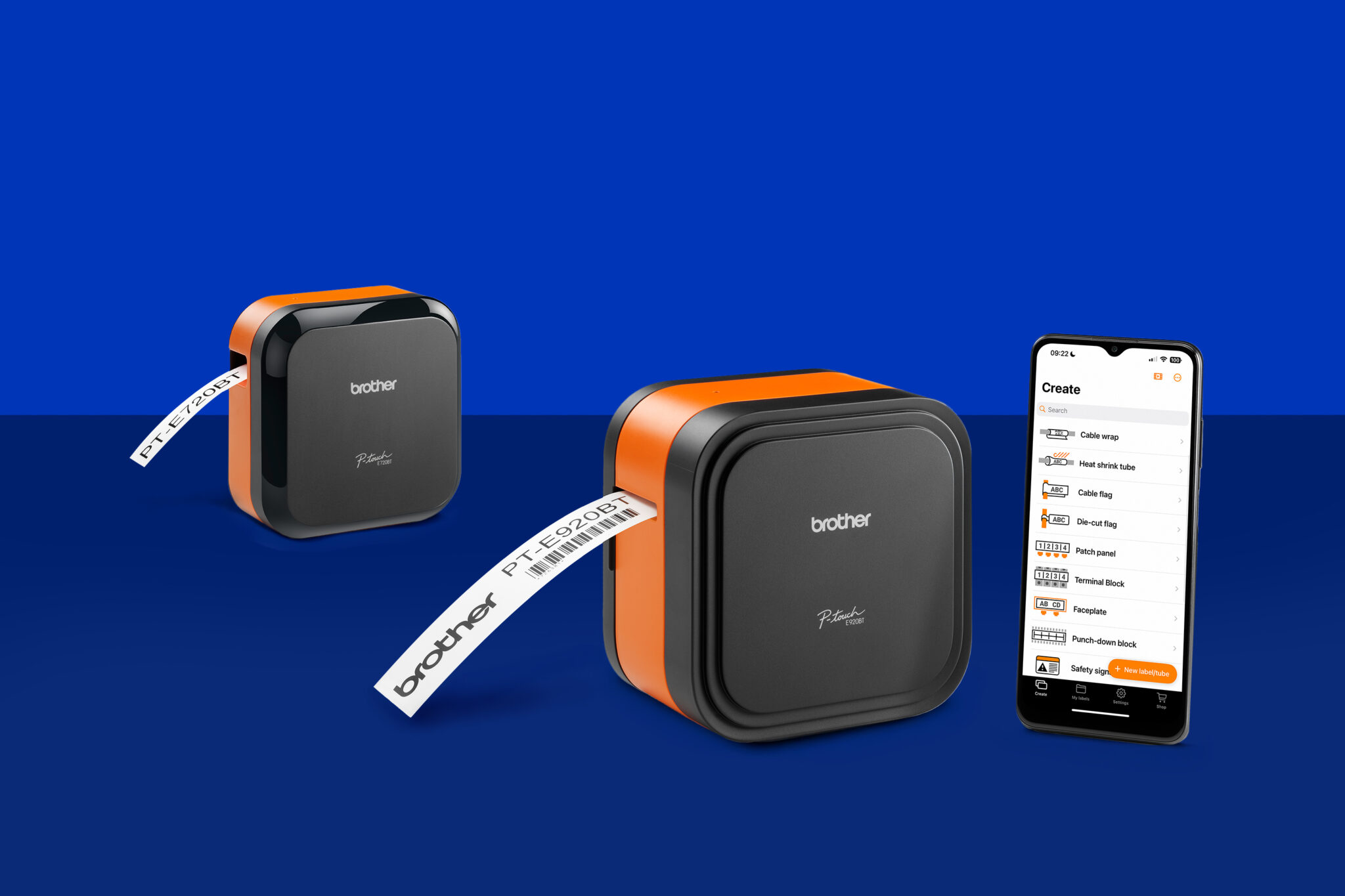
    Desktop equipment is increasingly giving way to mobile solutions. Brother’s latest launch – the P-touch PT-E720BT and PT-E920BT models – signals the Japanese manufacturer’s intention to dominate the professional field marking segment by combining raw industrial strength with the lightness of a mobile ecosystem.

    A key differentiator of the new devices is the integration of a Bluetooth module, which removes the barrier between office design and implementation on site or in the server room. Engineers can now generate complex QR codes, logos or industry-standard signage directly from a smartphone, which in practice means significant time savings and a reduction in human error.

    Brother is consciously diversifying its range, targeting models at two groups of professionals:

    • The PT-E720BT provides a solid foundation for the electrical installation industry. Tape support of up to 24 mm at 180 dpi is sufficient for standard infrastructure identification, while maintaining maximum mobility
    • The PT-E920BT is the choice for the premium segment and demanding logistics. With a resolution of 360 dpi and support for ribbons up to 36 mm wide, the device allows the printing of extremely precise information labels. The use of a USB-C port and an advanced cutter with the function to slit the label itself are small but important improvements that enhance macro efficiency.
  • From hardware supplier to digital environment architect. Rafał Szarzyński on the “One Sharp” revolution

    From hardware supplier to digital environment architect. Rafał Szarzyński on the “One Sharp” revolution

    Klaudia Ciesielska, Brandsit: Sharp is a brand with over 100 years of history of innovation. What made you decide just now to bring together three previously separate worlds – printing, visualisation and IT services – in such a fundamental way? What was the key impetus for this integration?

    Rafal Szarzynski, Sharp: A key factor has been the change in the way we work. Companies today operate in an environment where it is not just the hardware that matters, but the entire digital architecture – secure, flexible and intuitive. Our customers want a partner that understands their processes and can support them, not just supply devices. That’s why we created the ‘Sharp Digital Experience’ concept, which brings together print, visualisation and IT services into one seamless ecosystem.

    This is a really well thought-out change – we have been preparing for it for years. We have invested in developing our IT competencies, acquiring companies in the UK, France and Switzerland, and in November we completed the final stage of our merger with Sharp/NEC. Today, we have more than 500 IT professionals in Europe and state-of-the-art support platforms that allow us to design work environments that meet the challenges of digital transformation. This makes Sharp a digital world company that makes a real difference to the way customers work.

    K.C.: Joe Tomota announces a move away from a transactional model to long-term strategic partnerships. Given that in Poland Sharp is mainly associated with reliable hardware – how does this change redefine your model of cooperation with the business? Does ‘One Sharp’ represent a shift from being a technology provider to being an advisor responsible for architecting and optimising the digital working environment?

    R.S.: This is a fundamental change in the way we look at customer relationships. Until now, the market has often been based on simple transactions – purchase the device, install, end of process. Today, companies expect something very different: a partner who understands their business objectives and can design the working environment to support efficiency, security and growth.

    “One Sharp” is the answer to this need – it is a philosophy in which technology is just a tool and the real value is in consulting and building strategies together.

    An example? Increasingly, we are talking to customers not about which screen or printer to choose, but how to integrate communication in a hybrid team, how to secure data in the cloud, or how to optimise document processes. Our role is not just to deliver hardware, but to create a cohesive ecosystem that addresses real business challenges. This is the essence of ‘One Sharp’ – partnerships that give you an edge in the digital world.

    “One Sharp (…) is a philosophy in which technology is just a tool, and the real value is in consultancy and joint strategy building.”

    K.C.: CIOs are increasingly asking not ‘if’ but ‘how’ to ensure security. With the integration of cyber security competences into Sharp’s structures: can devices such as printers or screens become elements of an organisation’s first line of defence? What does such a security model look like in practice within the ‘One Sharp’ ecosystem?

    R.S.: Definitely yes. Today’s working environment is distributed, and any device connected to the network can be a potential access point. That’s why, at One Sharp, we treat security as an integral part of the design of the entire ecosystem, not an add-on. Our devices – from printers to displays – are equipped with data protection mechanisms, encryption, access control and integration with identity management systems. This makes them an active part of your security strategy, not just passive hardware.

    In practice, this means that documents are stored and transmitted securely, access to devices is controlled and communication in meeting rooms takes place in an encrypted environment. Additionally, with our IT services and management platforms, we can monitor and respond to threats in real time. This approach gives the CIO the confidence that every piece of infrastructure – even the printer – is supporting the organisation’s protection, not undermining it.

    “Our devices – from printers to displays (…) are becoming an active part of the security strategy, not just passive hardware.”

    K.C.: ITpoint and Apsia brought agile software and services expertise to Sharp. How does the combination of hard hardware engineering with cloud and IT know-how change the final value perceived by the customer? Can the Polish market expect new hybrid services combining these worlds?

    R.S.: This combination opens a whole new chapter in the way we support customers. Until now, technology has often been seen as a set of separate elements – devices, applications, infrastructure. Today, we integrate these areas into a single ecosystem where hardware and software work together seamlessly and securely. With the expertise brought by ITpoint and Apsia, we can design solutions that not only work, but realistically simplify processes, automate tasks and increase productivity.

    In the Polish market, this means access to hybrid services that combine our expertise in hardware engineering with modern cloud platforms. Examples include cloud-based document management solutions, integration of audiovisual systems with collaboration tools or IT services supporting security and business continuity. Customers gain not just a product, but a complete service – from consultancy to implementation to ongoing support. This is the true value of ‘One Sharp’.

    “Customers get not just a product, but a complete service – from consultancy to implementation to ongoing support. This is the true value of ‘One Sharp’.”

    K.C.: Today’s IT departments are facing a huge fragmentation of suppliers and solutions. Is the ‘One Sharp’ strategy a response to the trend towards consolidation of services (vendor consolidation)? Apart from the convenience of a ‘single invoice’, what tangible benefits does a company gain by entrusting print, visualisation and IT to a single partner instead of three different entities?

    R.S.: ‘One Sharp’ is a response to the growing need for simplification and integration. Fragmentation of suppliers means not only greater management complexity, but also higher risks – different security standards, inconsistencies in processes and difficulties in scaling solutions. Consolidating services under a single partner offers more than convenience – it’s all about technological and strategic consistency.

    This gives the enterprise uniform security standards, faster deployments and the ability to centrally manage the entire working environment. Instead of three different integrations, we have a single ecosystem in which print, visualisation and IT work together seamlessly. This translates into lower operating costs, better control over data and greater flexibility to respond to change. In practice, this means fewer risk points, simpler processes and greater predictability – and this is the value that CIOs are looking for today.

    K.C.: Digital transformation is not only about processes, but above all about people. How does the integration of IT services and modern visual tools affect the so-called Employee Experience? In Sharp’s vision, can a modern, integrated office be an argument in the battle for talent and a way to increase the efficiency of teams working in a hybrid model?

    R.S.: Definitely yes. Technology only makes sense if it supports people in their daily work. That’s why the idea behind ‘One Sharp’ is to look at the working environment as a holistic experience that influences comfort, efficiency and organisational culture. Integrated solutions – from secure collaboration platforms to intuitive audiovisual systems – make meetings simpler, communication smoother and access to information immediate. This translates into a real sense of control and convenience for employees.

    In a hybrid model, this is crucial. An employee who can easily connect with his or her team, share documents or give a presentation in a modern conference room feels part of the organisation regardless of where they work. Such an environment is today an argument in the battle for talent – it shows that the company is investing in tools that support creativity and collaboration. As a result, not only satisfaction but also the effectiveness of teams increases. This is our vision: technology that serves people, not the other way around.

    “This is our vision: technology that serves people, not the other way around.”

    K.C.: Poland is a fast and demanding market. How will the ‘One Sharp’ strategy be implemented locally? Can partners and customers in Poland expect new billing models and consultancy services to carry out a turnkey office transformation?

    R.S.: Yes, Poland is a very important market for us and the implementation of ‘One Sharp’ will be complete here. We are developing local IT services in order to be able to offer customers comprehensive projects – from needs analysis to design to implementation and maintenance. We want the office transformation to be a simple turnkey process. When it comes to billing, we are introducing subscription models and ‘as-a-service’ services that make cost planning easier and give flexibility. This is a trend that meets the needs of Polish companies – predictability, simplicity and real value.

    K.C.: Hybrid working, automation and increasing cost pressures – which business challenges do you think will dominate in the next 2-3 years? How is the ‘new’ Sharp prepared to help business leaders meet them?

    R.S.: The coming years will be dominated by three trends: the consolidation of hybrid working, process automation and cost optimisation under economic pressure. Companies will be looking for ways to increase efficiency without compromising on safety and quality. This means that technology must not only be innovative, but also scalable and cost predictable.

    “The ‘new’ Sharp is prepared for these challenges with its ‘One Sharp’ strategy, which integrates printing, visualisation and IT services into a single ecosystem. We offer solutions that support workflow automation, secure cloud collaboration and intuitive communication tools for distributed teams. Additionally, we are developing subscription models and ‘as-a-service’ services that allow companies to better control spend and flexibly scale technology. Our goal is for business leaders to be able to look to the future with the confidence that their working environment is ready for change – no matter how fast it happens.


    This material was produced in collaboration with Sharp Poland.

  • Canon enters 3.2m market with new Colorado XL series

    Canon enters 3.2m market with new Colorado XL series

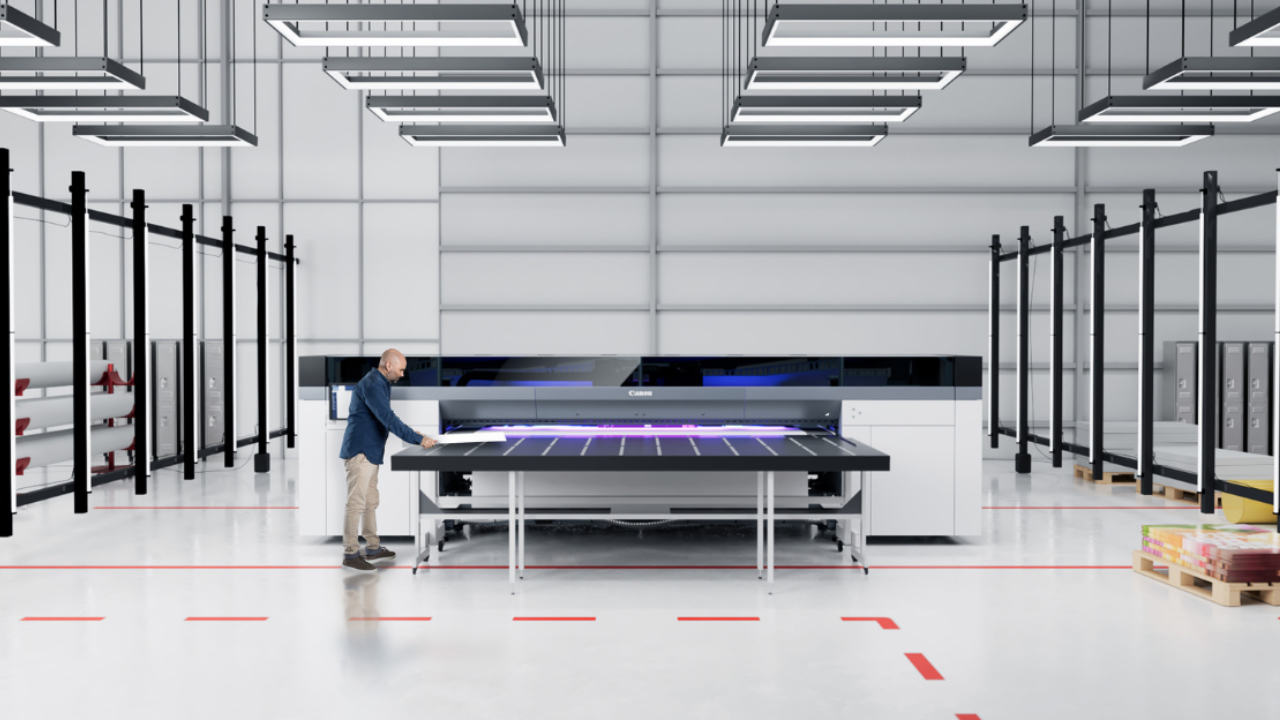
    Canon has unveiled its new Colorado XL series of large format plotters, entering the 3.2 metre wide print market. The move represents a strategic expansion of the company’s portfolio, taking its flagship UVgel technology into the segment that supports the largest graphic formats.

    Available in roll-to-roll and hybrid configurations, the new platform is designed as a modular solution for print service providers looking for a single, integrated system to handle both flexible and rigid media.

    At the heart of the Colorado XL series is the mature UVgel technology, but for the new platform Canon has introduced a number of key innovations. A new UVgel 860 ink set was used, optimised for adhesion to a variety of substrates – from film and banners to acrylic, composite boards or cardboard up to 52mm thick.

    The new UVgel FullBeam Curing system is responsible for their curing. It uses a 3.4-metre LED bar and an array of mirrors to guarantee even illumination across the entire working width, crucial for colour consistency in large print runs.

    Performance, depending on the operating mode, ranges from 70 m²/h in quality mode to 211 m²/h in express mode. Precise media transport is ensured by the UVgel TRIdrive vacuum belt system, which minimises the risk of wrinkling or shifting of the material, a common challenge with such a large width.

    The machines also feature the new automated UVgel 850 printheads, which are designed to reduce the need for operator intervention and ensure consistent print quality, thanks to a nozzle monitoring system.

    The introduction of the Colorado XL series is a response to growing market demand for versatile and automated production systems. Instead of investing in separate equipment for roll and flatbed printing, service providers get a platform capable of handling both types of jobs using the same inks and colour profiles.

    This translates into visual consistency within complex marketing campaigns that combine POS materials, signage or decorative elements.

    Canon is also betting on features to create value-added prints. Options familiar from the Colorado M series, such as white ink printing, the ability to achieve a matte and glossy finish in a single pass (FLXfinish+) and the creation of structured prints (FLXture), have been carried over to the new platform.

    This enables print companies to differentiate themselves in the market and enter new segments, such as personalised packaging or interior decoration.

    The Colorado XL series is expected to be commercially available in early 2026. Its introduction signals Canon’s drive to establish UVgel technology as the standard in large-format production printing.

  • Printing in SMEs: from an operating cost to a strategic business tool

    Printing in SMEs: from an operating cost to a strategic business tool

    For years, the main criterion for the selection of printing devices in small and medium-sized businesses has been price – both purchase and operation. However, rising business costs and changing expectations of office technology have meant that this pattern is changing.

    Today, functionality related to document process automation, cyber security and flexible financing models are increasingly determining the choice.

    As Rafał Szarzyński, Sales Director Sharp Business Systems Polska, points out, this shift in priorities is clearly visible in conversations with customers from the SME sector.

    “Financial aspects such as the cost of equipment or operation have always been and will continue to be important to customers. Particularly customers in the SME sector, the most affected by the increase in operating costs of doing business. It is worth noting that companies in this sector, are looking to different financing models, from the standard leasing/rental of equipment to the increasingly popular fee per page printed or the new subscription model. However, it is the other two key aspects of print systems that are starting to be the priority ones for users.”Rafał Szarzyński, Sharp Business Systems Polska, emphasises.

    Document process automation – gain in time and quality

    One of these priorities is the automation of simple, repetitive workflow activities.

    In practice, this means implementing printing solutions equipped with OCR systems that can recognise text on scanned documents, extract metadata from them and automatically transfer them to external systems – from finance and accounting to workflow platforms.

    “Therefore, printing solutions that incorporate OCR systems and provide streamlined document workflows, use the metadata extracted from the documents and automatically transfer them to external systems such as finance and accounting or workflow systems are becoming increasingly popular.”Sharp Business Systems Polska expert adds.

    For SMEs, this not only saves time, but also means less risk of errors, faster posting of invoices or better control over project documentation. In many companies, such improvements are becoming the cornerstone of digital transformation.

    Printers as fully fledged network devices

    The second key area that is growing in importance is security. And not in the sense of protecting against unauthorised access to printouts, but in the context of cyber threats. In the modern IT environment, the printer is a fully functional point on the network – and that means it can become a target for attack.

    Rafał Szarzyński, Sharp

    “The other functionality that is starting to become important in print environments is security issues, and more in terms of cyber threats than unauthorised access issues. In fact, the standard in organisations looking after aspects of this is to treat devices, not as mere print or scan sites, but as full-fledged network devices. Devices through which the client’s infrastructure can be hacked which can result in large losses for the organisation.” Rafal Szarzynski adds.

    Therefore, manufacturers are increasingly implementing features such as data encryption, user authentication, regular firmware updates or real-time access monitoring.

    These are elements that were the domain of large corporations only a few years ago, but are now becoming standard in SMEs as well.

    Mobility and cloud integration – barrier-free hybrid working

    The shift in working patterns towards a hybrid model has made mobile access to printing and scanning devices as important as their technical performance.

    The ability to print or scan from anywhere, using popular cloud solutions, has become not just a convenience but a business requirement.

    “It is also worth bearing in mind the issues of mobility and printing or scanning using cloud solutions. Today’s SME market is successfully using popular solutions based on Dropbox or M365. This type of functionality has become very popular in recent years.”says Rafał Szarzyński, Sharp Business Systems Polska.

    Integration with platforms such as Microsoft 365 and Google Workspace allows documents to be transferred quickly between the office and remote workers, and facilitates collaboration with clients and partners.

    Growing popularity of MPS and the “as-a-service” model

    Not only are the functions of devices changing, but also the way companies use them. Managed print services (MPS) and subscription models are gaining the upper hand over traditional hardware purchases. The reason? A combination of predictable costs and access to the latest technology.

    “It is the aforementioned financial aspect that is one of the main factors making SMEs increasingly opt for managed services – such as print services. The benefits of buying any service (not a product) are now a dominant aspect in the decision-making process and the choice between: buy or rent.” says an expert from Sharp Business Systems Polska.

    The ‘as-a-service’ model gives companies flexibility – you can easily increase or decrease the number of devices as required, and service and consumables are included in the subscription. This is particularly important in dynamic sectors where staff numbers and print volumes can change from month to month.

    From device to IT strategy

    Printing in SMEs is no longer just about office equipment – it is becoming part of the IT strategy, affecting the security, efficiency and flexibility of the entire organisation.

    Automating document processes reduces working time and minimises errors, while new security standards protect against real cyber threats.

    At the same time, the growing popularity of service models allows companies to take advantage of the latest solutions without high capital expenditure.

    As Sharp’s experience shows, it is the combination of automation, security and flexible finance that defines the modern printing environment in the SME sector today.

  • Pillars of the modern office – What do Polish SMEs expect from print technology?

    Pillars of the modern office – What do Polish SMEs expect from print technology?

    Small and medium-sized enterprises are the lifeblood of the economy, but their daily work is a constant struggle for efficiency. Unlike large corporations, they do not have extensive IT departments or unlimited budgets. Every investment therefore has to be precisely targeted, and every technology has to solve problems, not generate new ones. Nowhere is this more evident than in the area of document management.

    The printer is no longer a simple peripheral device. Today, it is the command centre for company documentation, on which smooth processes, data security and cost control depend. This is why choosing the right solution is based on a solid business foundation. Reliability, which guarantees the continuity of work, and flexibility, which allows you to find your way in the new hybrid reality, are becoming crucial.

    The foundation of a stable business

    In the reality of SMEs, any downtime is a real loss. Blocked invoicing or the inability to print a key contract halts business operations. Equipment reliability is therefore becoming an absolute priority. Companies are looking for solutions that work seamlessly for years, and their manufacturers back this up with concrete declarations. Equally important is optimisation – of both space and cost. Hence the shift towards compact multifunctional devices that combine all essential office functions in a small footprint.

    At the same time, businesses want to have full control over expenses and not worry about operational issues. Service models, in which an external partner takes care of maintenance and automatic delivery of materials, are becoming the standard, especially where dedicated IT support is lacking.

    Brother

    “In the SME segment, Brother’s compact and energy-efficient multifunctional devices – laser and inkjet – that combine printer, scanner, copier and fax functions are particularly popular. Thanks to Brother’s broad portfolio, companies can optimally match the equipment to their individual needs.
    In addition, Brother devices are known for their reliability and durability, as evidenced by the manufacturer’s standard 36-month warranty – proof of high quality workmanship. SMEs are keen to choose models that not only offer mobile printing and integration with cloud services (Dropbox, OneDrive), but also support print fleet management through the Managed Print Services (MPS) service. This service reduces costs, automates service processes and the ordering of consumables – significantly simplifying device maintenance and eliminating the risk of downtime due to lack of toner or ink. This is particularly appreciated by companies without extensive IT facilities.”
    comments Piotr Gołębczyk, Team Leader Business Channel, Brother Polska

    Flexibility, the answer to the challenges of hybrid working

    The spread of the hybrid model has permanently changed the rules of the game. Work today is done from the office, from home and sometimes from anywhere in the world. Technology must keep up with this, offering the same capabilities and the same level of convenience regardless of location. Seamless communication between devices and easy access to corporate resources is becoming essential.

    A key role is played by the smartphone, which has become a mobile command centre. The ability to remotely order printouts, scan documents directly to the cloud or monitor the status of a device from within an app are basic functions today. Equally important is the simplicity of operation, as employees at home have to cope with operating the equipment themselves. Finally, in a distributed environment, data security is growing in importance and must be protected at every stage of processing.

    “Hybrid businesses need devices that provide convenience, reliability and full functionality – both in the office and at home. Brother offers compact models that fit seamlessly into small spaces while maintaining high quality printing, scanning and copying.”
    Mobile printing is playing an increasingly important role, with Brother devices supporting Apple AirPrint, Google Cloud Print and the Brother Mobile Connect app, which allows users to easily manage printing, scanning and monitoring device status directly from their smartphone.
    This is complemented by intuitive menus and a clear user interface, making it easy to use even for those without technical experience.
    Integration with cloud services such as Google Drive and SharePoint enables fast workflows and real-time collaboration. Automatic functions – e.g. duplex printing, document feeder, scan-to-email or scan-to-folder – streamline daily work and save time.
    It is also worth noting the growing importance of data security – more and more organisations are looking for solutions that offer encrypted transmission or remote management capabilities. Brother provides devices and solutions that fit these needs – allowing companies to create a secure and efficient hybrid working environment, supporting individual employees as well as entire distributed teams.”says Piotr Gołębczyk, Team Leader Business Channel, Brother Polska

    Today’s SMEs expect two things from office technology above all: certainty and freedom. Certainty that equipment will not fail at a crucial moment and that maintenance costs will be under control. And the freedom to allow employees to complete tasks efficiently from anywhere. Choosing a printing solution that is based on these two pillars is no longer an expense, but a conscious investment in the sustainable development of the company.

  • Modern printing in SMEs – From cost to strategic working tool

    Modern printing in SMEs – From cost to strategic working tool

    The old image – a noisy, space-consuming printer in the corner of the office whose bane was a paper jam or a mysterious error code. A device whose main job was to transfer digital letters to paper and whose biggest worry was the perpetually running out of toner.

    This image, thankfully, is increasingly becoming a thing of the past. The modern multifunctional device (MFP) is a quiet, intelligent and fully networked document management centre. Its role is no longer limited to simple printing. Today, it is a strategic tool that affects the productivity, security and operating costs of the entire company. In the age of digitalisation, hybrid working and growing cyber threats, ignoring its potential is a real loss for business.

    To fully understand this change, it is worth looking at four key revolutions that are redefining the SME print market.

    1. A revolution in the ownership model

    The principle is simple: ‘Don’t buy the printer, buy the printed pages’. The traditional model, in which a company incurred a large, one-off capital expenditure (CAPEX) to purchase equipment, is giving way to flexible service models based on a predictable operating cost (OPEX).

    In practice, SMEs mainly have two paths to choose from. The first is Managed Print Services (MPS), which is the comprehensive care of the entire print fleet. A third-party provider takes care of everything from device health monitoring to proactive maintenance to automatic supplies. The second option, which is becoming increasingly popular, is subscription (PaaS – Print-as-a-Service). The benefits for the SME sector are obvious: full cost predictability, no need to freeze capital at the start, constant access to the latest technology and, most importantly, relieving employees of the burden of equipment maintenance.

    2. Hybrid operation

    The hybrid model has become the new norm and the office is no longer the only place to perform duties. This change has fundamentally remodelled expectations of office technology. Printing today needs to be accessible from anywhere and from any device, just as easily and securely.

    This is why features such as mobile printing, enabling jobs to be ordered directly from a smartphone, and deep integration with the cloud have become key. The ability to scan directly to and print from services such as Google Drive, OneDrive, Dropbox or SharePoint is now standard. This allows for seamless and uninterrupted work on documents, whether the employee is in the office, at home or on a business trip. Along with the software comes the hardware – there is a growing demand for compact but fully functional devices that can fit into a home office without compromising on performance.

    3. Intelligent automation

    Scanning a document today is only the beginning of the process. Modern multifunctional devices are powerful digitisation tools that can do much more than just create a digital copy of a piece of paper. At the heart of this revolution is OCR (Optical Character Recognition) technology, which turns a scanned image of an invoice or contract into fully editable and, most importantly, searchable text.

    How does it work in practice? An employee scans an invoice and the device itself reads the key data from it – the amount, the contractor’s TIN, the account number and the due date – and then automatically sends it to the accounting system. Another example: a scanned contract is automatically named according to a predefined scheme, saved in the appropriate folder in the cloud and sent to the supervisor for approval. This is a real time-saver, reduces the risk of mistakes and is a huge step towards a paperless office.

    4 Cybersecurity

    The modern multifunction device is effectively a computer. It has its own operating system, hard drive and permanent internet connection. This makes it, like laptops or servers, capable of becoming the target of a hacking attack and a gateway to the entire corporate network.

    The risk is twofold. Firstly, cybercriminals can steal data stored on the device – for example, scans of confidential contracts, financial reports or personal information. Secondly, they can exploit a vulnerability in the printer to gain access to the company’s internal network and attack other critical systems. Therefore, security features become an absolute priority when choosing a printing solution: encryption of data transmission, user authentication (via PIN or card) and regular software updates.

    Time for strategic thinking

    Shifting to a service model, support for hybrid working, intelligent automation and cyber security – these four pillars show how much the world of print has changed. Choosing the right solution is now a strategic decision. The question “how much does the device cost?” is giving way to: “How will this solution help us work more efficiently, securely and flexibly?”. Printing is no longer just an expense. It has become an integral part of a company’s digital ecosystem, and implementing it wisely can bring tangible business benefits.

  • Sharp targets offices with limited space. BP-22C25: Small printer, big ambitions

    Sharp targets offices with limited space. BP-22C25: Small printer, big ambitions

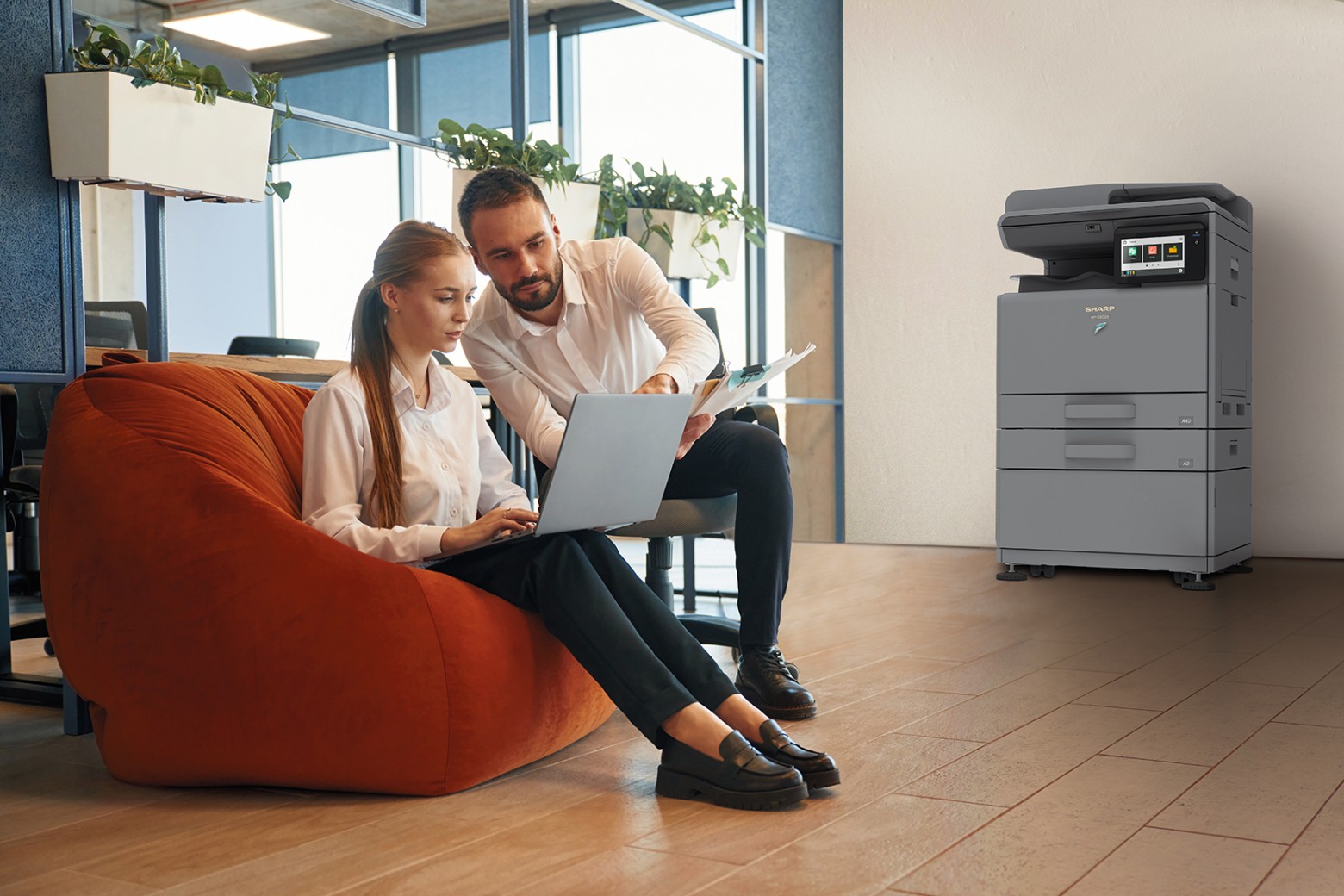
    At a time when office space is an increasingly valuable resource and the need for flexibility and digital productivity is becoming standard, Sharp is responding to these challenges with the introduction of its A3 multifunction printer, the BP-22C25. This device is distinguished not only by its size – the smallest in its class, according to the manufacturer – but also by a feature set more typical of higher-end equipment.

    The BP-22C25 is the answer to the needs of small and medium-sized businesses that expect more from a printer than just basic copy or print functions. A 7-inch touchscreen, support for popular mobile printing standards and a suite of ergonomic tools make it a product that can make a real difference in environments with limited space – from reception desks to administrative departments.

    It is worth noting, however, that Sharp has been consistently transferring features from its higher-end models to the entry-level segment, thus fitting in with the wider trend towards the democratisation of office technology. Devices that once required a lot of money and space are now becoming more accessible – both physically and in terms of price. The BP-22C25 seems to fit in well with this trend: compact, intuitive and secure.

    From an IT and compliance perspective, data security features are important. Built-in encryption, TLS 1.3 and SMB 3.1.1 protocols and the possibility of remote hardware updates are already almost mandatory for printing devices in the business sector. Sharp clearly understands that data protection is becoming no less important than print quality.

    Although the A3 MFP market is no longer growing rapidly, its evolution towards smaller, more integrated solutions is a reality. The BP-22C25 is a piece of equipment that could become popular in the SME sector, especially where the trade-off between size, functionality and reliability matters. It is an example of how even in a mature product category it is possible to innovate sensibly.

  • Sustainability in IT? Only if you don’t lose data in an attack – Dariusz Szwed, Canon

    Sustainability in IT? Only if you don’t lose data in an attack – Dariusz Szwed, Canon

    Recent years have seen a sharp rise in cyber threats, with ransomware being one of the most acute. Dariusz Szwed – an expert at Canon Polska who deals with office digitisation and cyber security issues – points out that the problem no longer affects only global corporations, but also small and medium-sized enterprises, which often do not have adequate resources to effectively counter cyber attacks.

    “There is no longer a lower limit to the size of companies where ransomware can be applied. Sometimes we find that it is easier for hackers to take control of a smaller company, lock it down and demand payment, than to risk an attack on a large player with much more resources.”

    Dariusz Szwed, Canon Polska

    In the context of data protection, the role of modern technologies such as cloud computing is increasingly being pointed to. This solution not only enables faster recovery after an attack, but also improves security thanks to built-in security mechanisms. However, there is still a lack of full trust in the cloud in Poland, which, as Szwed points out, generates the need to raise awareness in this area.

    The cloud as the key to security

    One of the key strengths of the cloud is the ability to quickly recover from an attack, which significantly minimises downtime for a company. Dariusz Szwed points out that with cloud solutions, companies can not only quickly restore data after an attack, but also gain confidence that it is constantly monitored and protected by the best available technology.

    However, there is still a noticeable caution in the adoption of cloud technologies in Poland, which is mainly due to concerns about security and trust in providers.

    “Polish organisations, both in the private and public sector, are far less trusting of the cloud environment than is the case in other European countries. In our country, the largest institutions are still tied to on-premise solutions, which involves building additional server rooms and managing them with their own resources.”

    Dariusz Szwed, Canon Polska

    Meanwhile, global data clearly shows that organisations using cloud solutions are better prepared for cyber attacks than those relying solely on traditional IT infrastructure. Another important aspect is the scalability and flexibility of the cloud. It allows companies to adapt IT resources to changing needs, which is particularly important in the context of remote working and distributed teams.

    Cyber security education

    Cyber security education is becoming one of the most important elements of an effective data protection strategy. Dariusz Szwed points out that the biggest threat to companies is not the technologies themselves, but the lack of proper knowledge and awareness among employees. It is human error, stemming from ignorance or unawareness, that is the most common reason for the success of social engineering attacks such as phishing. Modern attacks are increasingly based on manipulation of the human psyche rather than technical vulnerabilities in systems. Education in this area should not be limited to basic training, but should also include regular reminders and simulations that help consolidate correct habits and responses to threats. Swede notes that traditional training that takes place once in a while is no longer sufficient. Cyber security should be integrated into the daily operation of the company and be an integral part of the organisational culture. This is an approach that, in the long term, minimises the risks associated with attacks. Education should apply not only to employees, but also to management, whose responsibility for data security is particularly relevant in the context of legislation such as the NIS 2 directive.

    NIS Directive 2: New challenges and responsibilities

    The NIS 2 Directive, which came into force in 2023, is a significant step towards increasing the level of cyber security in the European Union. It introduces new security requirements across a range of sectors, including critical infrastructure, information and communication technology and digital services. One of the key aspects of this directive is the adoption of the principle of accountability at all levels of an organisation, meaning that managers and business owners must be personally involved in digital security issues. The Canon Poland expert emphasises that the NIS 2 directive has a significant impact on the way cyber security is managed in companies, especially in terms of the responsibility of those in managerial positions. It changes the approach to risk management, as the directive explicitly places the responsibility on managers to respond to threats and monitor the company’s cyber security situation. Dariusz Szwed also notes that while the NIS 2 directive imposes obligations on companies, it is also a good opportunity to start considering cyber security as an integral part of a growth strategy.

    Remote working and digital security

    The COVID-19 pandemic has significantly accelerated the transition to remote working, which has introduced new digital security challenges. Many companies were forced to rapidly adapt their structures to the new mode of working, and this meant implementing new technology solutions and data protection procedures. In response to these changes, cyber threats related to remote working have become an important topic in the area of risk management. Dariusz Szwed notes that while remote working is not a threat in itself, its implementation without proper protection procedures can lead to serious security vulnerabilities. However, remote access to company resources, without adequate protection measures, creates an opportunity for cybercriminals who can exploit these vulnerabilities to launch attacks, such as phishing attacks, on poorly secured devices and user accounts. To counter the risks associated with remote working, Swede emphasises the importance of investing in security technologies.

    Ecology and sustainability in printing technologies

    Dariusz Szwed points out that ecology is becoming an important factor in technology selection, also in the context of office equipment. The expert notes that companies are increasingly paying attention to environmental issues when choosing technology, including printing devices. Sustainability is becoming one of the criteria that influence purchasing decisions. In this context, particular attention is being paid to energy efficiency, consumption of consumables, as well as the life cycle length of equipment, thus reducing waste and environmental impact. With increasing environmental awareness, many print device manufacturers, including Canon, are betting on sustainability and eco-friendly innovations.

    “An environmental approach is a very important part of Canon’s strategy. As a Japanese organisation, we operate with the mindset of Kyosei, which means we work, we build business for the common good. Canon has for years taken measures to minimise the environmental impact of its production. This includes not only taking care with consumables, but also designing devices to have the longest possible life cycle and minimising energy consumption.”

    Dariusz Szwed of Canon Polska.

    These measures include, among other things, the production of energy-efficient equipment, as well as the implementation of recycling programmes that allow the reuse of spare parts and consumables. It is also worth noting that sustainability in the context of printing does not end with the production of devices and consumables alone. Canon is already implementing solutions to optimise office printing processes, resulting in lower paper, ink and energy consumption. Such solutions allow companies to continuously monitor their operations and make improvements that are both environmentally and economically beneficial.

    Confidence and innovation in printing equipment technology

    Confidence in printing equipment technology underpins companies’ purchasing decisions. Today’s printing market places increasingly demanding expectations on equipment manufacturers, both in terms of performance and security. Customers are guided not only by price, but also by the quality, reliability and innovation of the solutions offered when deciding on a particular piece of equipment. Trust in equipment is directly linked to its durability, energy efficiency, as well as the ever-increasing requirements for data protection and digital security. Dariusz Szwed notes that trust in printing equipment is crucial to the decision-making process in companies.

    “Trust in printing equipment is essential because if it fails or has print quality issues, a company can suffer serious losses. Companies expect not only functionality, but also longevity of equipment that will be reliable for many years.”

    Dariusz Szwed of Canon Polska.

    For this reason, it becomes crucial to design equipment with durability and stability of operation in mind, which affects the long-term satisfaction of users. Innovations in printing technology also play an important role in improving the quality of equipment and increasing confidence in devices.

  • “The future of printing is intelligent process automation.” Dariusz Szwed of Canon on key trends in the print industry

    “The future of printing is intelligent process automation.” Dariusz Szwed of Canon on key trends in the print industry

    Nowadays, with documents and office processes playing a key role in the functioning of businesses, the print industry faces many challenges related to efficiency, cyber security and technological evolution. Can print get smarter? What are the market trends and predictions for the print market? This is discussed in an interview with Dariusz Szwed, Product Specialist Team Leader at Canon Poland, who reveals the fascinating world of printing and digitalisation.

    Brandsit: What are the biggest challenges in the current print market? How is Canon responding to them?

    Dariusz Szwed, Canon: From the point of view of companies, the most important challenge is to make the whole process related to documentation and printing as supportive as possible in a way that does not absorb the employees in their daily tasks. Currently, the handling of documents and repetitive back office procedures in companies and institutions still involves massive human, hardware and financial resources. It consumes time that could be spent on substantive work, contact with clients and analysis of their needs, preparation of offers and projects, etc. In a nutshell: for the core activity that makes the company profitable.

    The document workload – and after all, cost documents alone in many companies can run into hundreds or thousands per month – is a kind of hidden reserve. Unlocking these reserves, and consequently increasing the business efficiency of its customers, is seen by Canon as one of its key challenges and therefore a task for itself.

    A very important route to this – and this is another important challenge, this time from a technological point of view – is digitisation and its marriage with companies’ printing processes. Digitalisation often involves migrating systems to the cloud, so that a company does not need to set up an IT network, maintain servers or employ skilled programmers. However, this is where another challenge arises: cyber security.

    All of these challenges are reflected in the way we think about and design our offerings – from intelligent multifunctional print and scan devices, to uniFLOW, which is an integrated solution implemented in the company’s infrastructure for managing all print and scan jobs and devices, also available as a cloud-based variant of uniFlow online, to software for streamlining company processes – such as Therefore Online, which can be used in a cost-effective SaaS subscription model.

    Brandsit: Canon identifies digitalisation as a key element in responding to these challenges, particularly in the context of migrating systems to the cloud. Can you describe what this digitalisation looks like in practice and how it affects cyber security?

    Dariusz Szwed, Canon: The basis of the entire office ecosystem should be a modern multifunctional device that supports employees in their daily tasks, for which they should not spend too much time. Such a device must be compatible with cloud-based software through which we seamlessly connect with applications for processing and cataloguing documents in the relevant systems.

    The foundation of the entire office ecosystem should be a modern multifunctional device that supports employees in their daily tasks, which they should not have to spend too much time on.

    Canon’s portfolio of business solutions includes the imageRUNNER ADVANCE DX range – designed for effective hybrid working in environments where ongoing document handling needs to be fast, simple and fully secured at the hardware, network and user access levels.

    Not to be outdone: the imageRUNNER ADVANCE DX C3800 offers a print speed of 35 pages/min and scans up to 270 A4 images/min. And combining this line of devices with uniFLOW Online software opens up advanced digital workflow possibilities. Machine learning allows preferred scanning or printing options to be memorised, meaning invaluable savings in staff time for repetitive tasks.

    All of these functions, properly configured and managed, increase the efficiency of front- and back-office staff and shift their competence priorities from typically clerical tasks towards advisory, analytical and relationship-oriented activities.

    The market is evolving towards digital transformation and the imageRUNNER ADVANCE DX line is one of our responses to these changes.

    Brandsit: What does the future of print look like? What trends can be expected in the coming years?

    Dariusz Szwed, Canon: Above all, the future of printing is intelligent process automation. This ranges from increasingly efficient printing and scanning solutions via cloud-based cataloguing and archiving software, to advanced security systems on multiple levels.

    One of the dominant trends in the next few years will be ‘bespoke’ systems to improve operational efficiency, reduce costs and ease the burden on staff. It is also important to adapt devices and software to new developments in the labour market, such as remote or hybrid working, where some staff work in different locations outside the physical office of the company. When we look at the different solutions offered by Canon and the directions they are taking in terms of technology, we see all these trends very well.

    Brandsit: What are the benefits and challenges of digitalisation in the print industry? Canon aims to create devices that support employees in everyday tasks that they shouldn’t have to spend too much time on. Can you elaborate on how this idea is being realised within the Canon portfolio?

    Dariusz Szwed, Canon: The catalogue of benefits is huge, and which ones come to the fore depends partly on the industry. In banking, for example, front office staff are now not only involved in handling and selling financial products or processing transactions, but also in printing forms, scanning or cataloguing documents. By implementing modern hybrid document solutions, many of these routine duties disappear and employees can focus on consulting, analytical work or solving unusual situations that are difficult to process digitally. This is a huge benefit from the institution’s point of view.

    How do we achieve this? For example, OCR, or Optical Character Recognition, allows documents to be automatically classified and data extracted when a document is scanned into digital form. Tasks such as file naming, storage location selection, authentication using external credentials and fast scanning of document packages are functions that directly translate into employee productivity and time savings, and reduce the potential for human errors.

    The Archiving Assistant function available in the uniFLOW Online solution can automatically classify and organise scanned documents by assigning them to predefined categories. Data about the scans, such as document type or company name, is extracted at the digitisation stage and used to automatically name and save the files in the appropriate location in the cloud. What’s more, the software can learn to recognise typical, repetitive documents so that next time their classification can already take place fully automatically.

    The extracted data can then be fed directly into the document management software – so employees spend less time on tedious manual data entry and transcription of content, while at the same time there are fewer errors thanks to the identification of incorrect or incomplete data at the document reading stage.

    Brandsit: Canon makes a strong case for the importance of cyber security in print. What are the main information security challenges Canon sees in the print industry?

    Dariusz Szwed, Canon: I would start by saying that the most sensitive information must be protected at every stage of the process and document lifecycle – also before it is digitised. Translating this into the language of office practice, this includes protecting against unauthorised access to the device and to documents that are, for example, queued for printing. For example, user authentication on the device’s touchscreen ensures that no one other than an authorised person can pick up a printout without confirming their identity, and audible and visual alerts on left-over originals warn when a document containing confidential information is left on the device.

    Another layer is digital security, a challenge that is undoubtedly serious these days. This is why, for example, the imageRUNNER ADVANCE DX C3800 devices are protected against various types of cyber attacks. The system is checked every time the device is started up, protecting against software tampering and blocking unauthorised programmes. The standard version of the device is already equipped with a number of features to limit attacks and the leakage of sensitive data: data encryption on the disks, SMB 3.0 file server, TPM 2.0 module or functions for formatting disks and removing hidden data residues after each job.

    The biggest challenge in cyber security always remains the human factor, as both hackers and data protection specialists have been well aware for years.

    While we are on the subject of cyber security, it is also worth mentioning that moving services to the cloud – here our Therefore Online document management software can serve as an illustration – not only relieves the company of the need to have its own server room and build a company IT network from scratch, but is also a much more secure option. The software is then kept up to date by a specialised team and, in addition, such systems are subject to security audits by external companies at least once a year.

    The biggest challenge in cyber security always remains the human factor, as hackers and data protection specialists alike have been well aware for years. That’s why Canon designs its devices and solutions so that the room for human error is minimised as much as possible.

    Brandsit: What are the anticipated developments in print technology and how does Canon intend to participate in them?

    Dariusz Szwed, Canon: Looking strategically at a company’s printing and workflow processes – technology is evolving in this direction to eliminate everything that is manual, repetitive and labour-intensive.

    In an apparent counter to the increasing sophistication of technology, once we get down to the level of the direct relationship between it and the human being, there is a need to simplify the very operation of the multifunctional device, software or system in question – so that employees do not have to ‘doctor’ it. The direction of development in this case is therefore towards intuitiveness, friendliness and stress-freeness at the interface between technology and humans. I will use Therefore Online again as an example – it is a low-code tool, which means that the implementation of further system processes does not require programming skills, can be implemented at low cost and without involving additional staff.

    Looking at the issue from yet another level, there is no doubt that printing is evolving towards solutions that are increasingly efficient, fast, energy and material efficient, which is important not only from an efficiency point of view but also from an ecological one. Canon is a committed participant in all these trends, illustrated by the specific examples I mentioned earlier, which are our direct response to the needs of the market and our customers.