Tag: UOKiK

  • T-Mobile Poland forced to change its discount policy; UOKiK intervenes

    T-Mobile Poland forced to change its discount policy; UOKiK intervenes

    In the telecoms sector, where the battle for customer loyalty is based on complex discount structures, the line between incentive and unauthorised penalty can sometimes be thin. The recent decision of the President of the Office of Competition and Consumer Protection (UOKiK) against T-Mobile Polska sheds new light on how industry giants need to redefine their retention strategies to avoid accusations of violating consumer interests.

    The case concerns the ‘on-time payment discount’ mechanism. T-Mobile offered a discount of £5 per month for using e-invoices and paying bills on time. The problem was that even a one-day delay resulted in the loss of the bonus on the next invoice. For customers with multiple services – e.g. two numbers, internet and TV – the cumulative loss could reach PLN 20 per month.

    The regulator considered this practice to be a form of disguised contractual penalty for late monetary payments, which is not allowed in the Polish legal order. The Civil Code only provides for statutory interest in such situations. Imposing additional financial sanctions by revoking previously granted discounts was qualified as an action detrimental to the collective interests of consumers.

    For telecoms boards and corporate lawyers, this sends a clear message: loyalty built on the fear of losing a discount is legally risky. T-Mobile, reacting to the proceedings, has already changed its contractual templates and stopped verifying the timeliness of payments when calculating discounts. The obligatory decision requires the operator to pay compensation. Current and former customers can expect cash refunds or device vouchers, and in the event of inactivity on the part of subscribers, the funds will be settled automatically as overpayments in their accounts.

    This case is not an isolated one. Similar steps were previously taken against the Play network, and Orange, Vectra, CANAL+ and Multimedia Polska are now under the magnifying glass of the UOKiK. The industry is facing a major overhaul of its billing and marketing systems. Instead of ‘punitive’ discounts, operators will have to look for methods to incentivise customers that do not conflict with monetary obligation regulations. Valuing regulatory risk is now becoming as important as forecasting ARPU.

  • Polish tech-retail under the magnifying glass: What does the OCC’s raid on distribution giants mean?

    Polish tech-retail under the magnifying glass: What does the OCC’s raid on distribution giants mean?

    There is a chill in the Polish technology and consumer electronics retail sector that has nothing to do with the seasonal weather. The Office of Competition and Consumer Protection(UOKiK) has made a decisive move, conducting searches at the headquarters of key players: listed giants AB and Action, GT Group distributor Tomaszek and white goods manufacturer Beko. The scale of the operation, conducted assisted by the police, suggests that the regulator is not just looking for minor misconduct, but is tracking systemic price collusion.

    For market observers, the entry of controllers into AB S.A. – a leader in the CEE region with revenues of almost PLN 15 billion – is a signal that the proceedings strike at the very heart of the supply chain. If the suspicions of horizontal and vertical agreements are confirmed, we will witness one of the largest antitrust trials in this part of Europe. UOKiK president Tomasz Chróstny points to the potentially wide reach of the collusion, which could involve not only wholesalers but also the largest electromarket chains.

    From a business perspective, the stakes are gigantic. The IT and consumer electronics/appliances distribution system is based on low margins and huge volumes. Any interference in the free market by artificially maintaining prices or dividing spheres of influence hits consumers’ wallets directly, but above all destroys fair competition between smaller players. For the companies involved, the risk is twofold: financial and reputational. Fines of up to 10% of annual turnover can drastically shake the liquidity of even such large entities, and the personal liability of managers (up to PLN 2 million) casts a shadow over the corporate governance (ESG) of the companies listed on the WSE.

    The secured hard drives and documentation are currently being analysed. Proceedings are ongoing “in the case”, which gives companies room to cooperate, but the stock market reaction of investors is rarely balanced in the face of legal uncertainty. If the evidence proves solid, the Polish electronics market is in for a painful adjustment in trading standards. In the world of modern retail, where pricing algorithms are increasingly replacing traditional negotiations, the line between optimisation and collusion is becoming a priority battleground for regulators.

  • A monopoly on privacy? The OCCP questions Apple’s market play

    A monopoly on privacy? The OCCP questions Apple’s market play

    Polish regulator joins global wave of scepticism over Apple‘s practices with allegations of abuse of dominance. At stake in the App Tracking Transparency game is not just data protection, but billions of zlotys from the mobile advertising market.

    The President of the Office of Competition and Consumer Protection (OCCP), Tomasz Chróstny, has initiated antitrust proceedings against Apple. The axis of the dispute is the App Tracking Transparency (ATT) policy, implemented in 2021, which in the iOS and iPadOS ecosystems forces developers to obtain user consent to track their activity. While the move appears pro-privacy from a consumer perspective, the Polish regulator sees it as a mechanism for market-based elimination of competition. The essence of the problem is the dual role of the US giant, which acts simultaneously as a ‘guardian’ of the ecosystem (regulator) and an active participant in the advertising market, competing for budgets with third-party app publishers.

    OCC analysts point to a fundamental asymmetry in user communication. In the case of independent developers, the iOS system displays a warning message asking permission to ‘track’, which evokes negative associations and drastically reduces conversion rates (opt-in). Meanwhile, Apple’s own services, pursuing the same de facto business objective, ask the user to enable ‘personalised ads’. This semantic and visual difference – ‘Ask not to be tracked’ versus ‘Enable’ buttons – creates an uneven playing field for those profiting from behavioural advertising.

    In the opinion of the President of the OCCP, such action may constitute an abuse of a dominant position, punishable by a fine of up to 10 per cent of the company’s turnover. Significantly, the President of the OCC confirmed that ATT’s strict framework does not derive directly from data protection legislation, undermining the corporation’s line of defence based on legal necessity. The effects of these practices are felt most acutely by independent publishers and advertisers, for whom impeded access to data means a reduction in the value of advertising space and a weaker negotiating position.

    The Polish investigation is part of a wider European trend. Similar proceedings are being conducted by antitrust authorities in Germany, Italy and Romania, and the French regulator has already taken decisions resulting in multi-million dollar fines. For the IT industry, the signal from Warsaw is clear: the privacy-first argument is no longer an absolute shield against interference with the business model of closed ecosystems.

  • Polish consumer watchdog is taking subscriptions under the microscope. Netflix facing charges, giants pledge changes

    Polish consumer watchdog is taking subscriptions under the microscope. Netflix facing charges, giants pledge changes

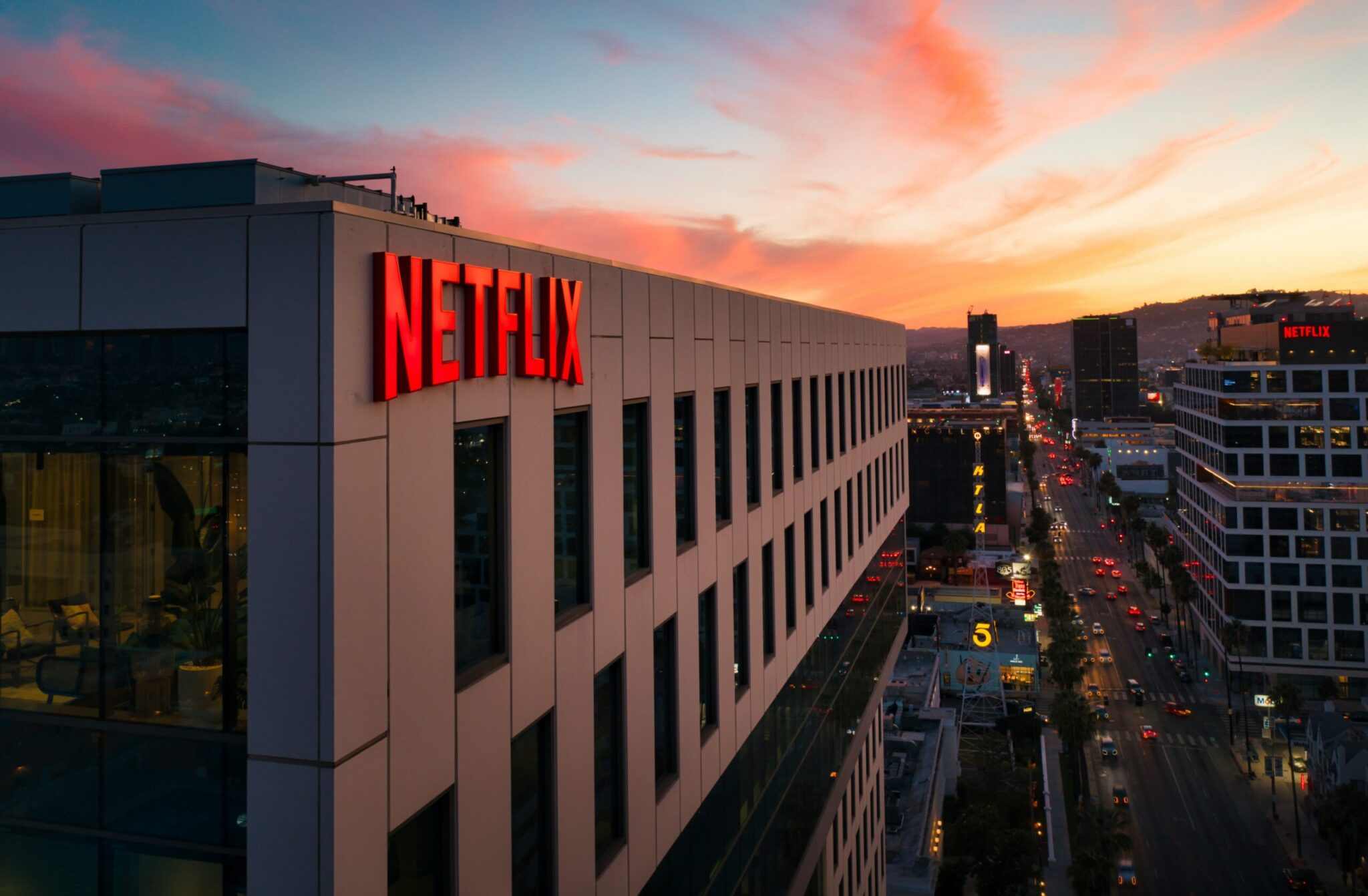
    UOKIK – polish consumer watchdog – has formally charged the Netflix platform for unilaterally raising subscription prices. The regulator found that informing users of the change and treating their lack of response as consent to higher charges was an unlawful practice.

    The case is part of a broader analysis of the subscription market, which includes major technology players.

    At the heart of the dispute is the mechanism for implementing the increases. While Netflix sent notices to users when raising prices in August 2024, it automatically charged a higher amount in the next billing period if users did not object or cancel the service.

    In the opinion of the President of the UOKIK, such action violates consumer interests. Changing a key element of the contract, such as the price, requires an explicit and informed consent of the subscriber, especially in a model where fees are charged automatically.

    The regulator is challenging clauses in the terms and conditions that gave the company the freedom to unilaterally modify the terms and conditions. If the allegations are confirmed, Netflix faces a financial penalty of up to 10% of its annual turnover.

    The company may also be required to repay amounts wrongly collected.

    The authority’s actions are not limited to Netflix. Investigations are looking into the regulations and practices of Apple, Google (with YouTube Premium), Microsoft (with Game Pass), Sony (with PlayStation Plus), Disney+, HBO Max and Adobe.

    The pressure is already having its first effects. Google and Apple have declared that they will in future seek the active consent of users for changes to subscription agreements. However, the OCC stresses that it expects not only the adjustment of practices for the future, but also the redress of consumers for past losses.

    The regulator suggests that platforms that unlawfully raised fees should automatically refund customers the overpaid difference. This is a clear signal that the digital services market in Poland must fully respect consumer rights.