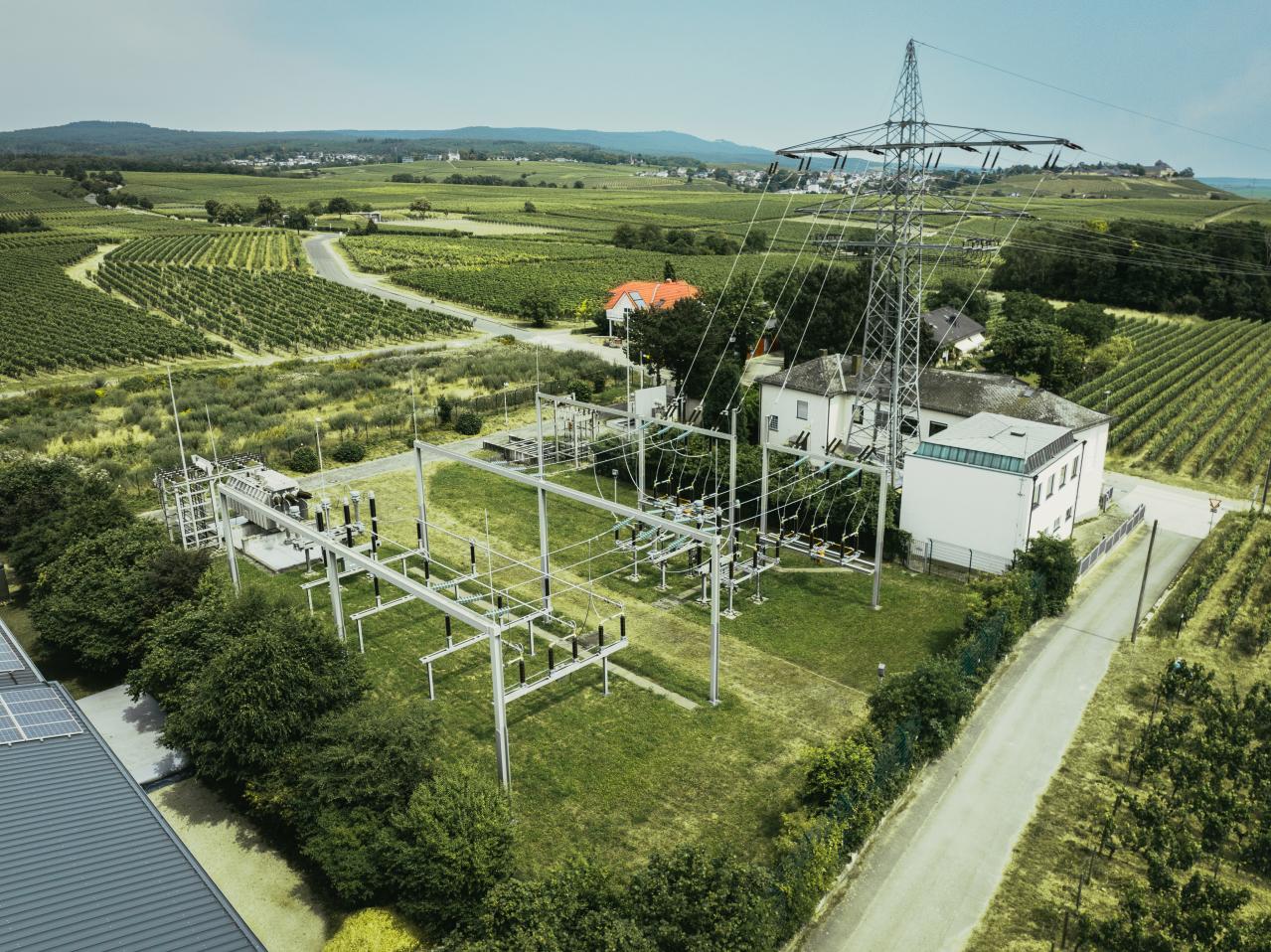
Stoen Operator and ZPUE are implementing a project in Warsaw that pushes the boundaries of the use of energy storage in the Polish electricity infrastructure. Instead of isolated test installations, ten battery-based units integrated directly into medium- and low-voltage (MV/nn) substations are appearing in the capital’s distribution network. This initiative is not just an experiment, but an operational response to the specific challenges of a large agglomeration: dense housing, surging power demand and the dynamic development of RES micro-installations. In this system, the storages take on the role of active voltage stabilisers, becoming an integral part of the daily operation of the system.
This implementation sheds new light on the evolving role of distribution system operators (DSOs). The shift from passive energy transmission to active management of energy resources is now becoming a business necessity and not just a technological curiosity. The example of Warsaw shows that energy storage is no longer seen as a costly addition to the infrastructure and is starting to be treated as one of the foundations of modern distribution. A key lesson from the Warsaw project is that, in an urban setting, the success of an investment depends not on battery performance alone, but on deep system integration and the ability to operate in different load scenarios.
It is worth noting several aspects that may determine the effectiveness of similar projects in the future. It seems sensible to move away from point-based design to thinking about the full life cycle of an installation. Taking into account the costs of operation, service and emergency behaviour of the system as early as the planning stage makes it possible to avoid costly adjustments later.
It is also worth considering closer collaboration between technology providers and operators to develop standards that will facilitate the scaling of solutions in other regions of the country. Rather than waiting for a final regulatory settlement, the market has the most to gain from gathering and sharing operational experience. It is this practical data, gained from working in a living urban organism, that is today’s most valuable asset for energy companies planning long-term investments in network flexibility.
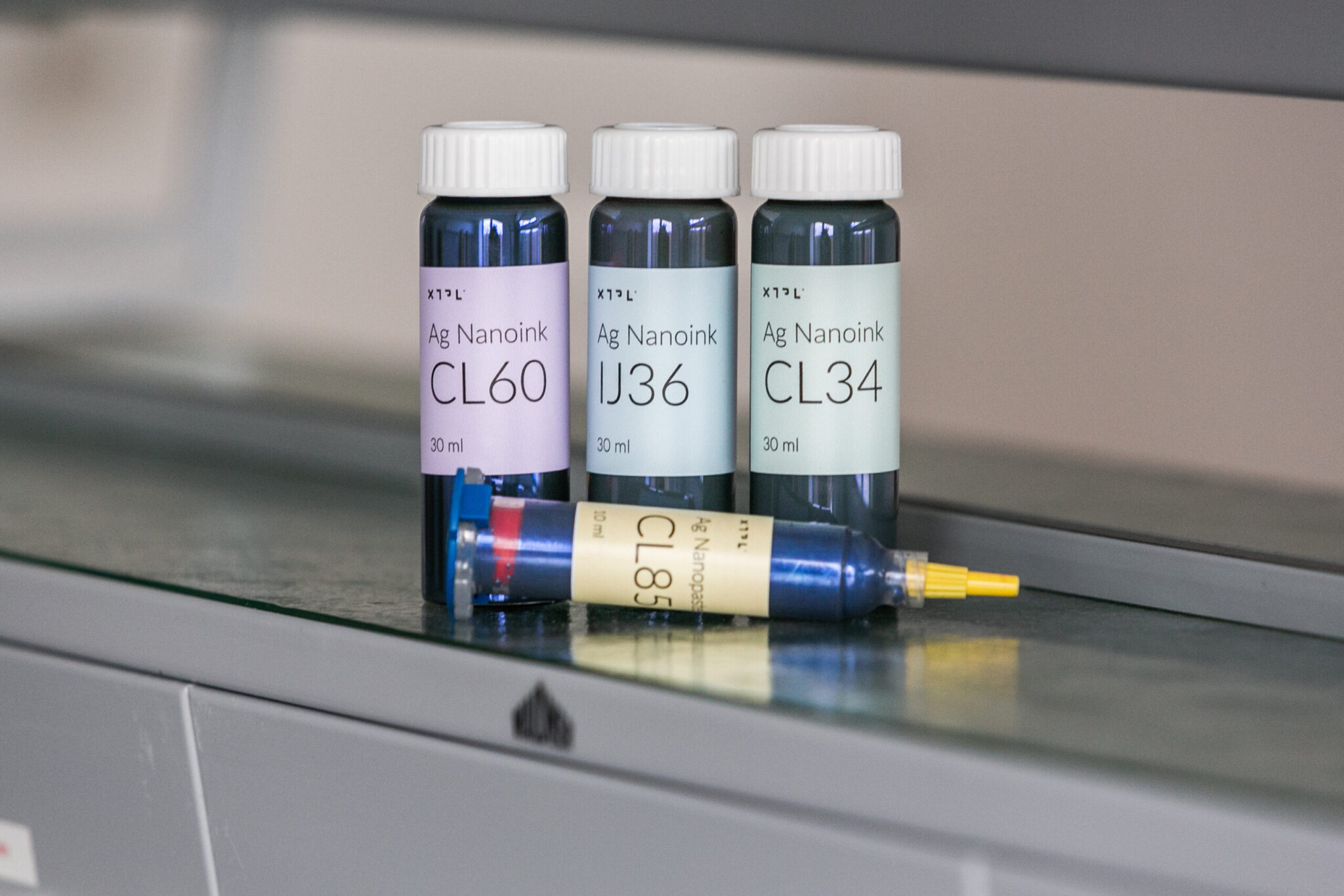
Wrocław-based XTPL, a provider of micro-printing technology for the advanced electronics sector, closed 2025 with record revenues of PLN 15.6 million. Although the growth rate in sales of products and services (+12% y-o-y) is clear, the key turning point for the company turned out to be finally moving beyond research. The company delivered 13 Delta Printing System devices and eight UPD modules in the period, which are already working on the production lines of one of the largest display manufacturers in China. In parallel, the entity secured close to PLN 30 million from a new share issue and an NCRD grant, which is expected to fund the equity gap and enable the implementation of the updated strategy until 2028. A new pillar of growth is becoming the ODRA line of systems, dedicated to low-volume production, which has already secured its first Silicon Valley customer in March.
The signals coming from the market allow us to conclude that XTPL is successfully overcoming the most risky stage for deep-tech companies – the transition from the ‘lab’ to the ‘fab’ phase. The persistently negative EBITDA (-£16.3m) is, in this context, a natural cost of building sales structures and scaling technology that has to cope with the rigours of production halls. However, the postponement of the £100m revenue target to 2028 suggests that decision cycles at global electronics manufacturers are longer than the original estimates. The introduction of ODRA systems is a strategic move to diversify revenues and bridge the gap between prototyping and mass production, which can significantly increase the ‘stickiness’ of the technology within customer organisations.
It is worth noting at this point the importance of technology validation by Taiwanese and US entities, a critical signal in the conservative semiconductor industry. For business partners, it will be important to monitor the rate at which the five remaining projects in the evaluation stage turn into hard industrial contracts. It appears that further exploration of the HMLV model will be key to maintaining growth momentum, particularly in the defence sector, which shows less sensitivity to business cycles than the consumer electronics market. Strategic patience in waiting for the UPD to fully scale should go hand in hand with aggressive commercialisation of ODRA systems, which, due to their higher unit price, can improve the company’s profitability profile more quickly.
The Polish Agency for Enterprise Development (PARP) is making a significant move towards professionalising the domestic innovation ecosystem by launching a call for applications in the Startup Booster Poland – Tech Impact programme. With a total budget of PLN 40 million, funded by the European Funds for the Modern Economy (FENG), the initiative is focused on identifying specialised operators who will take on the burden of guiding young companies through the most risky stage of their development. Organisations such as technology transfer centres, technology parks or incubators can apply for funding of between PLN 15 and 20 million. The deadline for applications is 17 July, and what is at stake is not only capital, but above all a change in the survival statistics of young companies.
The current landscape of the Polish SME sector, which accounts for almost half of the country’s GDP, shows a clear gap in the resilience of the youngest players. Only 68 per cent of startups continue to operate after the first year, while for two-year-old companies the figure rises sharply to 91 per cent. This data sheds new light on PARP’s strategy – the Tech Impact programme is not just another grant mechanism, but an attempt to systemically secure the ‘valley of death’. The focus on *impact* projects, i.e. solutions to the social and environmental challenges of the UN’s Agenda 2030, suggests that the Polish administration is beginning to see sustainability as a real competitive advantage, not just a regulatory requirement.
In view of these developments, it is worth noting the need for future operators to build interdisciplinary mentoring teams. Successful acceleration in the area of Tech Impact today requires a combination of hard business competencies and expertise in ESG reporting or environmental certification. It also seems reasonable for operators applying for operator status to integrate their activities with private investors already at the application stage, which will allow startups to make a smoother transition from the incubation phase to market funding rounds.
Greater intensification of educational activities aimed at traditional business should also be considered; after all, the role of the operator is only successful when the innovative solution finds a viable customer or strategic partner. Building such bridges between science, startups and mature industry may prove to be a key factor that will determine the sustainability of the effects of this programme in the long term business perspective.
Innovation actors with relevant experience in the implementation of acceleration programmes, in particular, can apply for funding:
technology transfer centres,
innovation centres
technology incubators
academic business incubators,
technology parks.
How to apply? Applications for the operators of the FENG Startup Booster Poland – Tech Impact programme are accepted until 17 July via the LSI platform: https://lsi.parp.gov.pl.
The Ailleron Group closed the 2025 financial year on a solid financial footing, reporting a consolidated net profit attributable to shareholders of the parent company of PLN 25.66 million. This is a measurable increase on the PLN 22.83 million generated a year earlier. Although sales revenue grew by 4%, reaching nearly PLN 580 million, the dynamics of operating profit (PLN 56.98 million) and EBITDA (PLN 79.24 million) indicate a slight deceleration towards 2024. The key driver of the organisation’s growth remains the Technology Services (Software Mind) segment, which has pushed export sales to 77% of the Group’s total revenue.
Analysis of the earnings structure suggests that Ailleron is effectively shifting its centre of gravity towards foreign markets, allowing it to become partially independent of local economic fluctuations. The increase in consolidated net profit accompanied by a slight decline in EBITDA suggests changes in the cost structure or greater pressure on margins in selected projects. It is worth noting a significant improvement in terms of the standalone – the parent company generated a net profit (PLN 1.09 million), recovering from last year’s loss of more than PLN 5 million, which signals a successful optimisation of the holding company’s internal processes.
It is worth noting the further operational integration of the Software Mind segment. With exports already accounting for nearly four-fifths of revenues, the key challenge becomes managing currency risk and maintaining technological leadership in the FinTech and telecoms niches. Investors and management should keep a close eye on operational efficiency, as this will determine whether the increase in scale will translate into sustained margin improvement in the coming quarters.
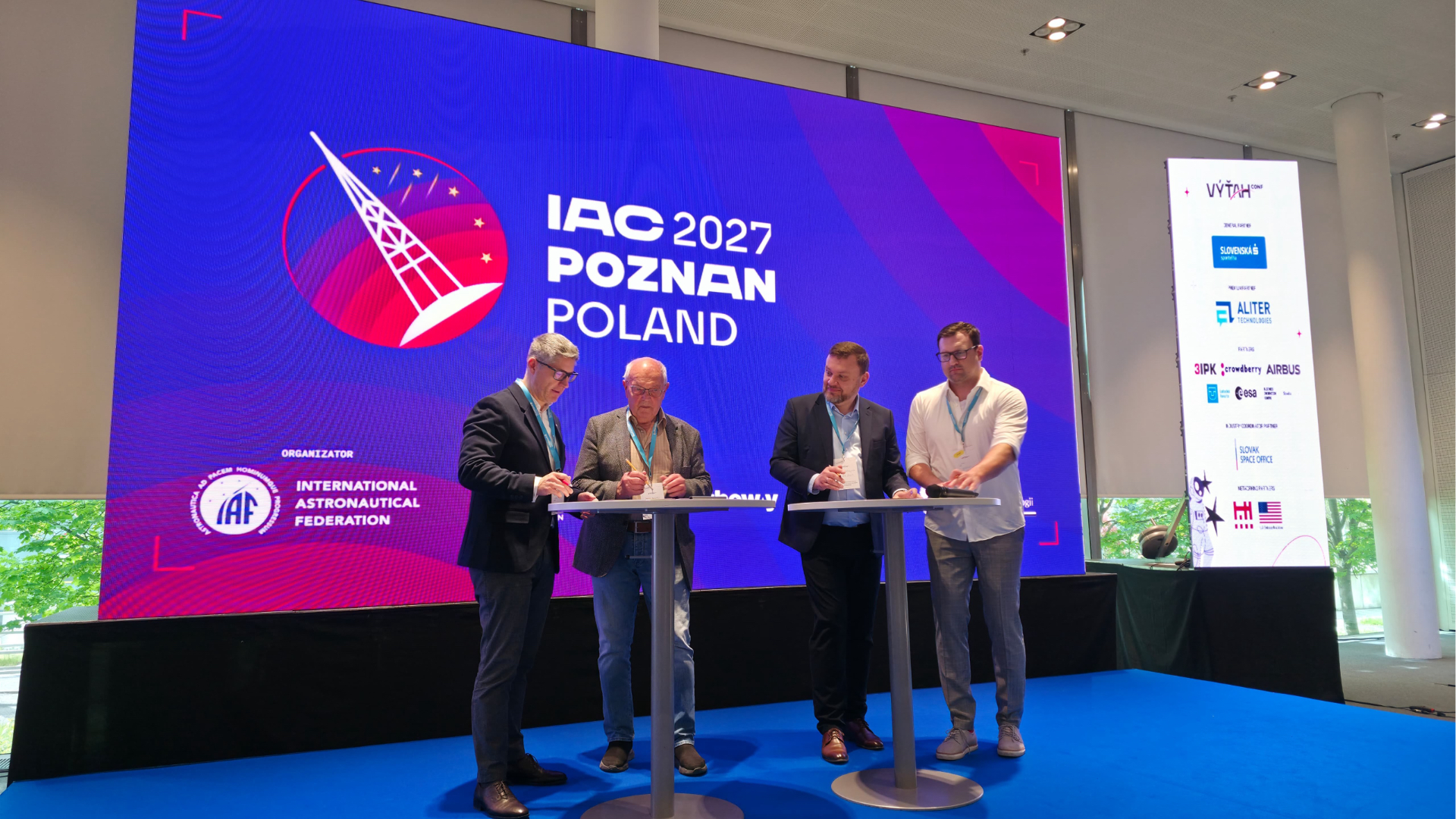
When the global attention of the space sector is often focused on the Silicon Valley giants or the state-owned powerhouses of Western Europe, the CEE (Central and Eastern Europe) region has just started to implement a strategy to change the previous balance of power. Signed on 23 April in Bratislava, the CEE Space agreement is an attempt to consolidate the fragmented market and create a united front in the fight for capital and technology contracts.
The initiative, which included organisations from Poland, Slovakia, Croatia and Hungary, aims to address the region’s biggest problem: fragmentation. Although the local ecosystems have skilled engineers and innovative startups, they have so far lacked the scale necessary to compete for major European Space Agency (ESA) projects or funding from transatlantic programmes. Łukasz Wilczyński, president of the European Space Foundation, points out that the new structure is intended to serve as a common accelerator for innovation and talent that will finally make the region visible on the global investment map.
From a business perspective, the most important element of CEE Space is the construction of a coherent channel for reaching venture capital. The partners have pledged to mobilise funds to develop the ecosystem, which in practice means easier access to investors for New Space companies operating in the four countries. Instead of building relationships with four separate markets, foreign players and decision-makers gain a single, integrated point of contact.
The schedule of activities suggests that the signatories are betting on building brand recognition through major industry events. The first test will be a regular conference, which will debut in Budapest in spring 2027. However, this is merely a prelude to the wider game. The key point on the horizon remains the International Astronautical Congress (IAC) 2027 in Poznań. Poland, in its role as regional leader here, plans to use the event to finally confirm CEE’s position as a mature partner in the global technology race.
If the announced integration of innovation pipelines goes smoothly, the region may cease to be a mere component supplier and become a hub that independently creates and finances advanced orbital projects. Central and Eastern Europe stops playing defensively and starts building its own business architecture in space.
The Polish company Cyber360 has just finalised a contract to implement advanced security systems at the Stefan Cardinal Wyszynski National Institute of Cardiology (NIKard). This project, funded by the National Reconstruction Plan, sends an important signal to the market: the digitalisation of Polish medicine is entering a phase of maturity in which the security of patient data is treated on a par with modern diagnostics.
The choice of Cyber360 as the contractor for this task is no coincidence. The company will deliver a solution based on XDR (Extended Detection and Response) technology, which goes beyond traditional anti-virus protection. The system is to monitor not only workstations and servers, but also LAN traffic, user behaviour and cloud applications. A key element of the implementation is the centralisation of log management, which in practice means a reduction in incident response time from hours to minutes. From a medical facility management perspective, such a ‘digital shield’ minimises the risk of operational paralysis, which, in the case of a cardiology institute, could have dire consequences.
Zbigniew Kniżewski, CEO of Cyber360, emphasises that the aim of the project is to standardise incident management processes. For the public and private sector in Poland, this is an important lesson in adapting to new security standards. The implementation of the contract is part of a broader market trend in which organisations – rather than building costly in-house cyber security teams – are increasingly relying on a turnkey model and external security operations centres (SOCs).
The collaboration between NIKard and Cyber360 is also proof of how EU NIP funds are really stimulating the local IT sector. The investment is helping Polish medical entities meet the stringent requirements of upcoming regulations such as the NIS2 directive.
On 3 April 2026, the Polish regulatory landscape underwent a permanent change, presenting thousands of organisations with a challenge that can no longer be pushed to the operational margins. The amendment to the National Cyber Security System(KSC) Act is not just a bureaucratic update, but above all a signal to management boards that digital security has become an integral part of business responsibility. Estimates from the Ministry of Digitalisation indicate the enormous scale of the changes: the new regulations will cover around 38,000 entities, of which more than 10,000 are private companies operating in sectors critical to the functioning of the state.
It is crucial to understand the new hierarchy of importance. The legislator has introduced a division between ‘key’ and ‘important’ entities, which determines not only the scope of obligations but also the level of potential financial risk. Key sectors, including energy, banking, transport and digital infrastructure, among others, face penalties of up to €10 million or 2 per cent of revenue. Even those deemed ‘important’ – including food producers, chemicals or waste management companies – could pay up to €7 million for failings. Significantly, the amendment ends the era of impersonal corporate liability; managers sitting on boards of directors will now be directly responsible for breaches.
The implementation calendar is tight and does not forgive tardiness. Although companies have one year to fully adapt their systems, the first important deadlines are already in the coming months. On 7 May 2026, the self-registration process begins for entities that will not be listed ex officio, with a deadline of 3 October.
At the same time, the Ministry of Digitalisation announces the publication of detailed requirements for Information Security Management Systems (ISMS), which is expected to unify security standards across the country. In practice, this means an urgent revision of IT strategy and the implementation of advanced technical and organisational measures. For the modern enterprise in Poland, the KSC ceases to be a matter of compliance and becomes a prerequisite for maintaining operational continuity and market confidence in an increasingly dangerous digital environment.
The latest data from the polish Central Statistical Office (CSO) for March 2026 paint a picture of the Polish economy in a phase of deep cost transformation. Average wages in the business sector rose to PLN 9652.19, a jump of 6.6% year-on-year. At the same time, the labour market recorded a 0.9% drop in employment, signalling that business leaders are increasingly focusing on optimising structures rather than extensive expansion of teams.
The March payroll reading slightly beat the market consensus of 6.3% growth. The monthly growth rate is particularly noteworthy, with an increase of 5.7% on February suggesting that the pressure on employers’ portfolios continues unabated. This is likely to be a product of quarterly bonus payments and the struggle to retain key professionals in an environment where competencies are becoming more valuable than the number of FTEs.
From a strategic perspective, the decline in the number of FTEs to 6.39 million while at the same time the dynamic growth in salaries is a classic signal of ‘doing more with fewer resources’. Companies, faced with high operating costs, are abandoning mass recruitment in favour of increasing salaries for those employees who realistically generate the highest added value. It is a strategy forced by the market: human capital is becoming the most expensive and demanding component of the balance sheet.
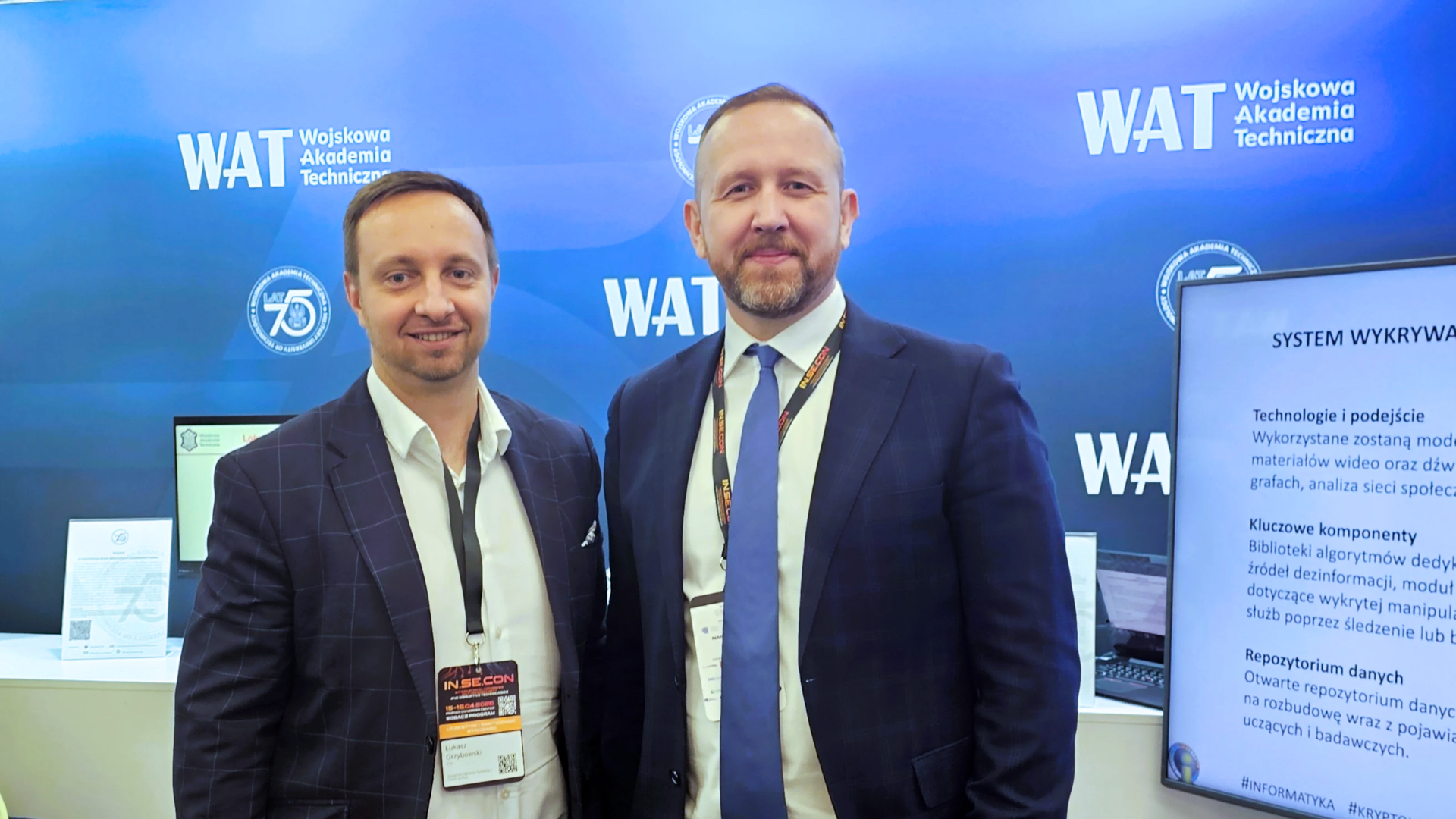
NewConnect-listed Defence.Hub ‘s signing of an agreement with the Military University of Technology to develop the MACS system from Seraphim Defence Systems is a signal that the Polish C-UAS (Counter-UAS) sector is moving from a conceptual phase to hard operational integration.
For investors following the defence-tech market, this collaboration has a strategic dimension. Defence.Hub is positioning itself as an integration platform, and WAT is not just another technical university. It is an institution directly supervised by the Ministry of Defence, with unique knowledge of the operational requirements of the Polish army. This partnership allows for the validation of technology in near-real conditions, which in the arms industry is a key condition for moving beyond the prototype phase.
At the heart of the agreement is the MACS platform, a modular drone countermeasure system based on an advanced fusion of sensors and artificial intelligence. In an era of evolving threats, where fibre-optic-controlled FPV drones or drones equipped with autonomous algorithms are on the frontline, traditional jamming methods are becoming insufficient. Collaborative work on the detection, tracking and neutralisation of such objects, supported by edge computing solutions, is expected to make MACS a product that responds to the dynamically changing needs of the modern battlefield.
From a business perspective, Defence.Hub is building an ecosystem that connects Polish technical thought with capital and institutional backing. Seraphim Defence Systems, as a finalist in the NATO Innovation Challenge 2025, already enjoys international recognition. Substantive support from WAT scientists, who have been shaping Polish military engineering for seven decades, significantly reduces technological risk and accelerates the commercialisation process of dual-use solutions.
In the current geopolitical situation, the need for anti-drone systems has ceased to be a theoretical consideration and has become a pressing market need. Defence.Hub, by integrating academic competence with the flexibility of technology start-ups, faces the opportunity to create a real counterweight to global players in the CEE region. The success of this venture will be measured not only by the number of signed letters of intent, but above all by the effectiveness of the deployment of ready-made systems in defence structures.
As we enter the second quarter of 2026, the threat landscape for the SME sector resembles a minefield where the mines themselves can look for a target. According to the latest ENISA Threat Landscape report, cybercrime has undergone the ultimate metamorphosis: from guerrilla attacks to a fully professionalised Ransomware-as-a-Service (RaaS) model. Nowadays, the aggressor does not need to be a brilliant programmer – all they need is a purchased subscription and AI algorithms that scan the network with surgical precision for the smallest cracks.
The statistics are merciless: as many as 43% of all cyber attacks target small and medium-sized companies directly. Most striking, however, is the distance between risk and preparedness – only 14% of businesses in this sector feel realistically prepared to fend off an incident.
This is because the notion that security is ‘an IT department problem’ is still being perpetuated. True security requires a radical paradigm shift: moving from protecting the devices themselves to protecting processes, identities and data flows. If you only protect the ‘boxes’, you are leaving the door open to the heart of your business.
Extended definition of endpoint
In the traditional security model that prevailed just a few years ago, the ‘endpoint’ was a static and easily defined concept – usually a laptop in an employee’s bag or a workstation connected to a company cable. However, in 2026, this framing is a dangerous oversimplification. Today’s endpoint is any piece of infrastructure with an IP address and access to data resources: from smart CCTV cameras and environmental sensors, to private smartphones (BYOD), to sophisticated printing and document digitisation systems.
It is the latter, often treated as ‘background devices’, that are becoming a favourite gateway for cybercriminals. The modern MFP is in reality a powerful computer with its own operating system, hard drive and direct access to the user directory. Poorly secured, it becomes the ideal launching point for a lateral movement attack. A hacker does not need to break into the best-protected server; all he needs to do is take control of the printer and, from within it, silently and methodically scan the internal network for vulnerabilities in other devices.
Understanding these dynamics requires decision-makers in the SME sector to abandon the ‘box protection’ mindset in favour of protecting the entire information flow cycle.
“In many SME companies, security is still mainly associated with the employee’s laptop and the antivirus installed on it. The problem is that today’s IT environment has long ceased to end with the PC. From our perspective, what is most often overlooked are those elements that “just run in the background” – network devices, servers, printers or access to cloud systems from private devices. A very often underestimated area is also the user accounts themselves – because today it is the identity, not the device, that is the main target of attack. The key change is that a cyber-attack no longer has to ‘enter via a virus’. A single hijacked account or employee inattention is enough. Therefore, classic antivirus, while still necessary, no longer provides the full picture. It protects a fragment of the environment, but does not show what is happening in the entire company ecosystem. And today, security is precisely the ability to combine all these elements into one coherent whole.” – says Roman Porechin, Business Development Manager at Sharp Systems Business Poland.
Zero Trust architecture as a foundation for SMEs
The traditional security model, based on building a ‘digital fortress’ and trusting everything inside the corporate network, has become an anachronism. It is worth noting that, at a time when distributed team-based and hybrid working models are becoming popular, the notion of a secure office perimeter no longer exists. A solution that has gone from the enterprise segment to ‘under the thatch’ of smaller companies is the Zero Trust architecture. Its foundation is a simple but relentless principle: ‘never trust, always verify’.
For the SME sector, implementing Zero Trust is a hard economic calculation. Citing data from IBM’s Cost of a Data Breach report, companies that have implemented this model save an average of USD 1.5 million on the impact of potential data leaks compared to organisations relying on legacy systems.
However, the biggest barrier to implementing rigorous policies in smaller companies is the fear of decreased efficiency. Decision makers fear that additional layers of verification will turn work into a constant battle with the system. And how are business systems designed to combine high levels of restriction with the fluidity and intuitiveness of working in a hybrid environment?
Roman Porechin, Sharp Systems Business Poland
“At Sharp we take a very practical approach. We start by analysing the way the organisation works, rather than imposing ready-made security policies. We first identify the key processes and access to systems, and then build the policies in such a way that they are least impactful on the user. We place great emphasis on ensuring that the employee has access to exactly what they need – without excessive privileges, but also without unnecessary barriers. In practice, this means, among other things, using mechanisms that simplify work, such as single sign-on or a contextual approach to access. The system itself assesses whether a login is secure and when additional steps are required. In this way, security works ‘in the background’ and the user sees an orderly and predictable environment rather than additional complications. In many cases, customers even notice an improved user experience after implementation, because we eliminate access chaos and unnecessary infrastructure elements,” comments Roman Porechin, Sharp Systems Business Polska.
From the perspective of the modern SME, Zero Trust is therefore not just a ‘shield’, but an optimisation tool. Rather than building walls that make it difficult for employees themselves to move around, smart systems use contextual security. If an employee logs in from the office at 9am from a trusted laptop, the system will not harass them with ten levels of verification. However, if the same attempt is made at 3am from another continent, the barriers will be immediately raised.
Infrastructure management and the role of AI
The SME sector is facing a painful paradox: on the one hand, cyber threats have become more sophisticated than ever; on the other, the shortage of skilled IT staff has reached a critical level. Small and medium-sized companies can rarely afford to maintain their own 24/7 Security Operations Centre (SOC). In this reality, Managed Security Services, the outsourcing of security to specialised partners, has become the dominant model. It allows organisations to benefit from professional security without having to fight for scarce and expensive experts in the labour market.
Another pillar of modern defence is artificial intelligence, which has ceased to be a marketing buzzword and has become a necessity. Because attacks today are automated and driven by AI, defences must react at machine speed. Predictive systems do not wait for an incident to occur – they analyse billions of signals in real time, detecting anomalies in the behaviour of users or devices before these turn into real data leaks.
However, in this whole technological arms race, the most serious change has been in the philosophy of risk management itself. However, technology is only part of the success – the change in attitude of decision-makers is key.
“Until recently, the prevailing approach was ‘let’s protect ourselves so that nothing happens’. Today we know that this is not a realistic assumption. The focus has changed – from prevention alone to the ability to detect and respond quickly. Because, in practice, it is not a question of whether an incident happens, but when and how quickly it is noticed. The companies that do best do not necessarily have the most tools. Instead, they have a structured approach and know what to do when there is a problem. For SME companies with limited budgets, the key is to focus on the fundamentals: – securing access to systems, – regular updates, – a working and tested backup. Only on this can the next elements be built. The biggest mistake is to try to ‘buy security’ as a single solution. In practice, it’s always a process and it’s consistency in building it that makes the biggest difference.” – Roman Porechin, Business Development Manager at Sharp Systems Business Poland, concludes.
Security as a process
It is thus becoming clear that cyber security has ceased to be a purely ‘technical’ domain and has become a strategic foundation for any modern SME. The most important lesson from our analysis is simple: security is not a product that can be bought and forgotten about, but a process that needs to be managed on an ongoing basis. Predictions for the coming years point to a further escalation of attacks using deep machine learning, which will make the line between a genuine message and a phishing attempt almost invisible to the human eye.
Creotech Quantum ‘s debut on the main floor of the Warsaw Stock Exchange is a moment of significance beyond the local capital market. It signals that the European deep tech sector is no longer the domain of laboratories and venture capital funds alone, and is beginning to seek validation on the public market. As the first public company in Europe to focus on quantum technologies, Creotech is throwing down the gauntlet to US players who have been trading at valuations running into billions of dollars on the New York stock exchanges for years.
CEO Anna Kaminska’s strategy is based on a pragmatic transition from the research phase to hard commercialisation. Central to this plan is the quantum key distribution (QKD) system, whose market debut the company announces later this year. In an era of growing concerns about cyber security and the potential ability of quantum computers to break classical ciphers, QKD offers a solution based on the laws of physics, not just the complexity of algorithms. For sectors such as finance, logistics and defence, it is no longer just a futuristic vision, but a viable tool for data protection.
The company’s strength lies in its skilful diversification and synergies with its parent Creotech Instruments. Creotech Quantum is not limited to theory; it provides the infrastructure necessary to build a quantum ecosystem. A portfolio including precision White Rabbit timing systems and high-speed CMOS cameras for monitoring quantum processors positions the company as a key component supplier. What’s more, ambitions extend to orbit – collaboration on space-based QKD systems could give the company a unique competitive advantage on a global scale.
Investors must remember, however, that the quantum market is a long-distance and extremely capital-intensive game. While the debut is an image success, the real test will be to prove the announced commercial deployments. If Creotech Quantum successfully commercialises its systems in the coming months, it could become a role model for other European technology players who have so far been cautious about the stock market. The stakes are high: what is at stake is not just returns, but whether Europe manages to build its own pillars in the most crucial technological area of the 21st century.
Pawel Pisarczyk’s decision to step down as CEO of Atende Industries, announced on 16 April 2026, is a move that reflects the growing importance of deep technology (deep-tech) in the architecture of modern business. Pisarczyk, who has been the technological visionary of the Atende group for many years, is moving to the company’s Supervisory Board in order to fully focus his energies on the development of Phoenix Systems.
Key to this change is Phoenix-RTOS, a proprietary real-time operating system that is becoming the foundation for a new generation of critical systems. The project is now entering a key phase of scaling, finding applications in sectors with the highest level of complexity: from modern unmanned vehicles to smart energy to space systems.
For Atende Industries, a leading provider of Smart Grid and IoT solutions, this change marks a natural evolution. The company today has a mature product portfolio that allows for a smooth operational succession. Pisarczyk’s presence on the Supervisory Board will ensure the continuation of the technological vision, while freeing up his engineering potential to work on a solution that has the potential to become a standard in next-generation devices.
This move should be interpreted as a mature specialisation strategy. While Atende Industries focuses on implementing advanced systems for industry, Phoenix Systems under Pisarczyk has the ambition to become the ‘intellectual heart’ of European hardware.
For the past few years, the technology sector has been sending a single, clear message to entry-level programmers: there is no place for you. The end of the era of cheap money, pandemic-enforced remote working and the expansion of LLM models that flawlessly generate repetitive code have almost wiped out entry-level job offers. The figures from the No Fluff Jobs and Just Join IT reports for 2025/2026 are unforgiving – the share of offers for juniors in the Polish market has fallen below 5%.
But today, paradoxically, it is artificial intelligence, which has taken away simple implementation tasks from juniors, that is becoming their biggest opportunity to get back into the game.
Architects instead of builders
In the traditional development model, the junior spent the first years of his career ‘walling’ – writing simple, repetitive modules. Today, these tasks are performed by AI agents. However, experts from Kraków-based software house Miquido note that this change shifts the focus from technical skills to conceptual competence.
Piotr Polus, Head of Technology at Miquido, argues that the line between experience levels is starting to blur. Since AI can generate project structure and write code, the key role is taken over by someone who can manage these tools. In the new paradigm, juniors no longer need to be proficient craftsmen of a particular technology stack; instead, they need to become solution architects who can think design.
The birth of the “2030 engineer”
The market is beginning to recognise a unique advantage for young cadres: the status of ‘AI-natives’. For the generation entering the market in 2026, working with language models is a natural reflex rather than a necessity to adapt. Companies such as Miquido, which for years restricted the recruitment of beginners, are returning to hiring juniors, but using a completely new criteria – the so-called ‘2030 engineer’ profile.
Instead of proficiency in one programming language, interdisciplinarity, flexibility and prompting skills are sought. This strategy is based on the creation of junior-senior tandems, where young employees bring freshness in the use of the latest AI tools, and experienced experts provide the necessary oversight of business logic and system security.
For business, the lesson is clear: investment in juniors ceases to be a form of costly patronage and becomes a way of maintaining technological agility. Those who, instead of learning the syntax of code, learn to manage the intelligence that writes that code will survive.
The Centre for e-Health (CeZ) is taking a decisive step towards data-driven medicine by entrusting Euvic Solutions with a contract worth nearly PLN 38 million net. The contract concerns the supply and full implementation of an advanced computing infrastructure based on NVIDIA systems, which in practice means building a solid base for the development of artificial intelligence in the Polish public sector.
The investment goes beyond a standard server room upgrade. Euvic will deliver an integrated hardware and software ecosystem, optimised for machine learning (ML), which is expected to go live as a production-ready solution. For the market, this is a clear signal that health administrations are no longer treating AI merely as an experimental add-on and are beginning to see it as an operational foundation.
CeZ’s choice of NVIDIA technology confirms the dominance of this vendor in critical infrastructure, while strengthening Euvic’s position as a key integrator of high-performance solutions. The scale of the contract suggests that Poland is preparing for the implementation of more analytically complex medical services, where the speed of data processing will directly translate into diagnostic and system efficiency.
The Polish private sector is entering 2026 with a paradoxical attitude. On the one hand, there is a clear end to investment defensiveness, while on the other, there is the introduction of a strict prudence filter. The latest report “Investment plans of Polish companies in 2026” draws a picture of a market where capital has ceased to wait for “better times”, but has started to flow only where the rate of return is combined with resilience to global shocks.
The modern Polish entrepreneur is abandoning small, dispersed projects in favour of ventures of a dozen or tens of millions. This consolidation of spending suggests maturity; companies are no longer afraid of major digital transformations, as long as these guarantee survival in an unpredictable environment. Grant Thornton’s chief economist, Dr Marcin Mrowiec, rightly points out that digitalisation is no longer treated as an optional extra. It has become a digital armour to protect against regulatory pressures and cyber threats.
The foundation of this change is pragmatism. Investments in artificial intelligence or automation are no longer motivated simply by a desire for innovation, but by the need to optimise costs in the face of increasing geopolitical uncertainty. Conflicts in the Middle East and potential turbulence in the energy markets are acting like a cold shower on managements. As a result, capital-intensive debt-financed projects are being phased out or subjected to a strict cost-of-money risk analysis.
Parallel to technology is human capital. Nearly 40 per cent of companies are planning to increase their investment in employees, but this is no longer a battle for ‘hands on’. It is a targeted investment in the competences of the future, which are required to handle newly implemented IT systems. In doing so, companies are increasingly taking advantage of research and development (R&D) allowances, making innovation more predictable in excel sheets.
Polish business is becoming more selective, but also more ambitious. In 2026, projects that can prove their worth in both growth and crisis scenarios are winning.
In the defence technology segment, where effectiveness is now measured not only by firepower but above all by the speed of data analysis at the edge of the network (edge computing), the Polish Defence.Hub is making a strategic move towards full system autonomy.
The NewConnect-listed company announced the signing of two letters of intent – with Lithuania’s AI for Vision Technologies (AIVT) and Ukraine’s Drone Fight Group (DFG). These are partnerships that go beyond mere declarations of cooperation, aiming to close the ‘detect-to-defeat’ chain within the proprietary MACS system.
The key to Defence.Hub’ s advantage is expected to be sensor fusion. Integration with Lithuania’s AIVT brings an advanced AI-based computer vision layer to the system that operates directly on the device, without the need for cloud connectivity. In a modern battlefield or critical infrastructure protection environment, where signal interference is the norm, independence from the internet becomes a critical condition.
Precise differentiation of threats in the infrared and visible light bands is today the ‘holy grail’ of anti-drone systems, allowing false alarms to be eliminated while operating in complete discretion (passive detection).
While the Lithuanians provide ‘eyes’ and ‘brains’, Ukraine’s Drone Fight Group brings invaluable currency: combat experience. DFG is not a theoretician; the company designs and deploys drones and interceptor systems in real-world conflict conditions.
For Defence.Hub, this means access to real-world combat datasets that will be used to train AI models and create simulators for the uniformed services. This collaboration allows for the creation of a complete and, most importantly, low-cost neutralisation system, which is crucial with the massive scale of threats from low-cost FPV drones.
From a business perspective, Defence.Hub is positioning itself as a regional integrator that cleverly exploits its geographical and technological proximity to NATO’s eastern flank. Building such a consortium with partners from Lithuania and Ukraine is not only an operational advantage, but also a strong asset in the race for European defence funding from programmes such as EDF or EDIP.
In the race for dominance in the Polish telecoms market, Orange Polska is betting on a two-pronged strategy that combines aggressive expansion of 5G infrastructure with precise targeting of budget segments. The latest operational data provided by the company’s spokesman, Wojciech Jabczyński, paints a picture of an operator that is trying to discount the technological breakthrough faster than the competition.
A key argument in the battle for customers’ wallets is C-band, or so-called ‘true 5G’. The current base of around 4,500 stations is set to grow to at least 5,600 before the end of 2026. In parallel, Orange is doubling its resources in the 700 MHz band with plans to increase the number of stations from 1,300 to 2,600. This infrastructural duality makes good business sense: C-band guarantees record-breaking throughputs in dense urban areas, while 700 MHz provides the necessary area coverage, laying the foundation for future IoT and Industry 4.0 solutions.
The investment in hardware is directly reflected in the number portability (MNP) statistics. Orange closed the first quarter of 2026 with a positive balance of 17,000 numbers. This pace suggests a significant acceleration relative to the whole of 2025, in which the operator gained a net 27,000 users. However, this success is not solely due to the technology itself, but to the skilful use of sub-brands.
Orange Polska’s management has diagnosed that the market is becoming increasingly polarised. While the core brand is attracting corporate customers and premium users in need of C-band stability, brands such as nju mobile and Orange Flex are effectively capturing a younger, more price-sensitive digital electorate. The key question for investors and business partners will be whether such rapid growth in the customer base in the low-margin segments will put too much of a strain on profitability while at the same time investing heavily in network upgrades.
In the context of the company’s presence in the WIG20 index, the determination to expand the 700 MHz band indicates a long-term preparation for dominance in the convergent services segment. If Orange maintains the current pace of station construction, it could enter 2027 with a technological advantage that will be difficult to offset with traditional marketing campaigns.
The end of the exclusivity period in negotiations between Ailleron and the Tailwind Capital fund is a sign that even strong operational fundamentals can lose out to macroeconomic uncertainty. Although the letter of intent from November 2025 promised a significant reshuffling of Software Mind’s shareholding, the US investor ultimately decided to put the talks on hold, citing unfavourable market conditions.
A key conclusion is that the due diligence process did not reveal any critical risks on the part of the Polish company. Software Mind, which is a pillar of the Ailleron Group, has for years maintained a stable position as a provider of innovation for the financial and telecommunications sectors. Tailwind Capital’s decision is therefore not due to the entity’s internal problems, but to the increasing caution of private equity capital in the face of global volatility.
The last-minute withdrawal of an investor from the transaction underlines a broader trend in which funds are opting for a ‘wait and see’ strategy instead of aggressive expansion. For Ailleron, a company listed on the Warsaw Stock Exchange, this means having to return to the starting point in its search for an equity partner, while maintaining its current operational growth rate.
The market took the news as a reminder that in the current economic cycle, clean due diligence sheets are sometimes not enough to finalise an equity exit. Software Mind’s management now needs to prove that it can maintain the value of the company without the immediate support of a new global fund, waiting for a more favourable transaction window.
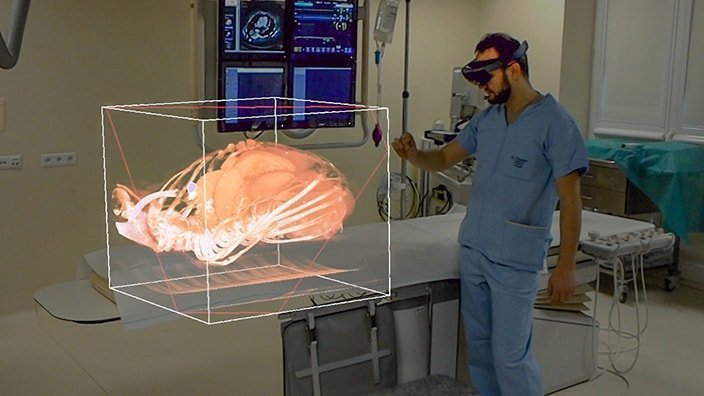
NewConnect-listed Polish company MedApp is stepping up its activities in the world’s most lucrative medical market. Following a series of business meetings in the US, CEO David Odrakiewicz is signalling a real chance of a commercial breakthrough. The key to success is expected to be CarnaLife Holo, a proprietary solution using augmented reality (AR) for 3D visualisation of medical data, which already has the necessary FDA certification.
MedApp’s US offensive is based on building relationships with key players in the health-tech ecosystem. The company’s representatives have actively participated in prestigious industry events such as Sages and BioFlorida, where they presented the technology to surgeons, innovators and medical executives. Of particular note is the visit to AdventHealth – one of the largest independent medical networks in the US. For the Polish company, this institution’s openness to modern infrastructure and innovation is a litmus test of the needs of a market that is increasingly shifting towards digital medicine and precision procedure planning.
MedApp’s strategy, however, goes beyond just selling software. The company is currently in talks with a distribution partner to help scale operations on the continent. A key figure in this process is Habeel Gazi, COO of MedApp USA, who is tasked with building local structures and ‘opening doors’ that have so far remained closed to Central European players.
An interesting business thread is a potential collaboration with Snke, a company working on AR goggles dedicated to the medical sector. This hardware-software synergy could significantly raise the barrier to entry for competitors and offer doctors a complete tool for real-time data visualisation.
MedApp does not treat the US merely as an export destination, but as the focal point of its long-term strategy. Having FDA certification removes the biggest regulatory barrier, and being present in state-of-the-art centres such as AdventHealth confirms that Polish 3D technology is in line with US medical standards. Success in this market will depend on the speed of converting established contacts into hard contracts, which in the complex US healthcare system is an arduous process, but – as the management’s declarations show – currently a priority.
Wrocław-based Scanway, one of the key players in the European New Space sector, has just taken a significant step towards transforming from a boutique design office into a serial supplier. The signed framework agreement with the Łukasiewicz Research Network – Institute of Aviation (ILOT) for comprehensive environmental testing of optical instruments is a signal that the Polish space sector is maturing to industrial scale.
For Scanway, access to a certified test infrastructure in the country is a critical element of its scaling strategy. Up until now, the testing processes – necessary for flight heritage – have often involved logistical and financial challenges due to the need to use foreign centres. The partnership with the Warsaw Aerospace Institute allows the full certification path, from structural-thermal models to final flight models, to be realised within a single ecosystem.
The collaboration focuses on the two most demanding stages of equipment verification: vibration tests, which simulate the overloads during rocket launches, and thermal-vacuum chamber (TVAC) tests. The latter are crucial for the Scanway Optical Payload (SOP) family of telescopes, which must maintain optical precision under extreme orbital conditions, where temperature amplitudes and lack of atmospheric pressure can permanently damage unprepared instruments.
From a business perspective, the move strengthens Scanway’s position in negotiations with global microsatellite integrators. Ensuring repeatability and compliance with ECSS (European Cooperation for Space Standardisation) standards with the support of ILOT’s accredited laboratory minimises design risk. For Łukasiewicz – ILOT, in turn, confirms its status as a key technology hub that monetises its unique research infrastructure, supporting the local supply chain.
The trend is clear: Polish companies are beginning to supply complete, mission-critical systems for observation missions. Stable access to test facilities is the missing piece of the puzzle to realistically think about series production of optical instruments for the global New Space market.
Since 1 April, the obligation to use the National e-Invoicing System has been extended to entities in the SME sector. Meanwhile, the SaldeoSMART survey shows that the percentage of SMEs convinced of the need for the KSeF has fallen over the past five months from 61% to 52%. The biggest change can be seen among small businesses – in this group, the share of positive ratings for the central system has decreased by as much as 13 percentage points.
According to accounting industry experts, the increase in distrust of KSeF is no coincidence. – The first weeks of the system’s operation have shown that, even for the largest companies, the clash with the practice is more difficult than expected; both at the level of work organisation and the daily workflow. In many cases, the problem is not the obligation itself, but the lack of preparation of the processes around it. The National e-Invoice System only brings to light the mechanisms that previously worked ‘by the wayside’, says Agnieszka Ligocka, an expert at SaldeoSMART and FRAM Finanse.
Over the past two months, SME operators have been observing how the implementation of the KSeF has been handled by the largest businesses, which are already subject to the changes on 1 February 2026. Based on this experience, it is possible to identify areas that smaller businesses should pay particular attention to when adapting to the new obligation.
Error 1: Failure to organise entitlements
In the preparation phase for working with KSeF, many companies generate certificates, but do not give users the appropriate permissions to use them. As a result, situations arise where access is technically correctly configured and yet the system does not allow basic operations to be performed. It is important to remember that a certificate alone does not make things possible – it is only by assigning the right roles that invoices can be issued and downloaded.
An additional challenge is the choice of certificate type. For teamwork, a more secure solution is the TIN-based model, which allows access to be managed at company level. Certificates linked to the PESEL are individual and should not be shared.
Mistake No. 2: Failure to make arrangements with the accounting office
During the preparations, many companies did not clarify with their accounting office how cooperation on KSeF was to look like in practice. As a result, some businesses assumed that all activities related to the system were the responsibility of the accountants. The lack of such arrangements translates into situations where it is unclear who is responsible for downloading invoices, assigning rights or the day-to-day running of the platform. In practice, this means delays and errors, disorganised work and a lack of control over the accounting process. In extreme cases, it even leads to parting ways with the existing accounting office when it turns out that it is not prepared to work in the new reality.
– Changing accounting partner during the year is always a challenge, but in the current reality it can mean a major disruption to business continuity. KSeF has coincided with additional reporting obligations and rigid deadlines that cannot be moved. Accountancy firms work to a specific sequence of client and document handling, and making changes during this time often causes disorganisation and time pressure. Under such conditions, the risk of errors increases significantly, explains the SaldeoSMART expert.
Error 3: underestimation of the scale of change
Many companies approach KSeF as a technological change, while in practice it means having to rebuild the way they work with documents. The new system affects not only the issuing of invoices, but also their circulation, acceptance and access to data within the organisation. One in four companies in the SaldeoSMART survey cited a change in internal processes as one of the main barriers to implementing KSeF, with 26% highlighting problems in adapting systems and software to the new requirements.
At the same time, with the Ministry of Finance providing free tools for the National e-Invoice System, many businesses assumed that these would be sufficient to work with the central system. This attitude is still strong, with 36% of entities surveyed by SaldeoSMART planning to use them. In practice, however, these assumptions are increasingly clashing with reality. Accountants point out that while basic solutions can work well for very simple activities, limitations quickly appear with more documents – especially when the solution is not tailored to the scale of the business and the company’s processes.
At the same time, companies that use solutions that are well integrated with KSeF and have structured processes are going through the implementation much more smoothly. – The tools offered by the Ministry of Finance make sense for really small companies that issue a few invoices a month and do not have complex processes. Once a company has a larger number of documents, several employees involved in handling them or a more complex invoice workflow, the limitations start to set in,’ notes Agnieszka Ligocka.
Basic tools can therefore work well for simple operations, while the need for more advanced and integrated solutions grows as the company scales up. Businesses should make sure that their technology base, including the IT systems and solutions used, are integrated with KSeF and aligned with the requirements of working with the government platform.
For companies in the SME sector, this is the last moment to get these areas in order before they fully enter into their new responsibilities. As the practice of the largest companies shows, proper preparation not only reduces the risk of mistakes, but above all avoids organisational chaos, which proved to be one of the biggest challenges in the first weeks of KSeF’s operation. In practice, this means that the success of KSeF implementation also depends on how intuitive and structured users find working with the government system.
About the study:
The survey was conducted in March 2026 by research agency Choreograph on behalf of SaldeoSMART. It was attended by representatives of small and medium-sized enterprises, as well as accounting offices in Poland. The aim of the survey was to find out the degree to which companies are prepared for the mandatory implementation of the National e-Invoice System, to identify the most important technological and organisational barriers, and to examine the attitude of companies towards changes resulting from the digitisation of document circulation.
Source: SaldeoSMART
Zarządzaj swoją prywatnością
To provide the best experiences, we and our partners use technologies like cookies to store and/or access device information. Consenting to these technologies will allow us and our partners to process personal data such as browsing behavior or unique IDs on this site and show (non-) personalized ads. Not consenting or withdrawing consent, may adversely affect certain features and functions.
Click below to consent to the above or make granular choices. Your choices will be applied to this site only. You can change your settings at any time, including withdrawing your consent, by using the toggles on the Cookie Policy, or by clicking on the manage consent button at the bottom of the screen.
Funkcjonalne
Always active
Przechowywanie lub dostęp do danych technicznych jest ściśle konieczny do uzasadnionego celu umożliwienia korzystania z konkretnej usługi wyraźnie żądanej przez subskrybenta lub użytkownika, lub wyłącznie w celu przeprowadzenia transmisji komunikatu przez sieć łączności elektronicznej.
Preferencje
Przechowywanie lub dostęp techniczny jest niezbędny do uzasadnionego celu przechowywania preferencji, o które nie prosi subskrybent lub użytkownik.
Statystyka
Przechowywanie techniczne lub dostęp, który jest używany wyłącznie do celów statystycznych.Przechowywanie techniczne lub dostęp, który jest używany wyłącznie do anonimowych celów statystycznych. Bez wezwania do sądu, dobrowolnego podporządkowania się dostawcy usług internetowych lub dodatkowych zapisów od strony trzeciej, informacje przechowywane lub pobierane wyłącznie w tym celu zwykle nie mogą być wykorzystywane do identyfikacji użytkownika.
Marketing
Przechowywanie lub dostęp techniczny jest wymagany do tworzenia profili użytkowników w celu wysyłania reklam lub śledzenia użytkownika na stronie internetowej lub na kilku stronach internetowych w podobnych celach marketingowych.