Tag: Transformacja cyfrowa

  • From hardware supplier to digital environment architect. Rafał Szarzyński on the “One Sharp” revolution

    From hardware supplier to digital environment architect. Rafał Szarzyński on the “One Sharp” revolution

    Klaudia Ciesielska, Brandsit: Sharp is a brand with over 100 years of history of innovation. What made you decide just now to bring together three previously separate worlds – printing, visualisation and IT services – in such a fundamental way? What was the key impetus for this integration?

    Rafal Szarzynski, Sharp: A key factor has been the change in the way we work. Companies today operate in an environment where it is not just the hardware that matters, but the entire digital architecture – secure, flexible and intuitive. Our customers want a partner that understands their processes and can support them, not just supply devices. That’s why we created the ‘Sharp Digital Experience’ concept, which brings together print, visualisation and IT services into one seamless ecosystem.

    This is a really well thought-out change – we have been preparing for it for years. We have invested in developing our IT competencies, acquiring companies in the UK, France and Switzerland, and in November we completed the final stage of our merger with Sharp/NEC. Today, we have more than 500 IT professionals in Europe and state-of-the-art support platforms that allow us to design work environments that meet the challenges of digital transformation. This makes Sharp a digital world company that makes a real difference to the way customers work.

    K.C.: Joe Tomota announces a move away from a transactional model to long-term strategic partnerships. Given that in Poland Sharp is mainly associated with reliable hardware – how does this change redefine your model of cooperation with the business? Does ‘One Sharp’ represent a shift from being a technology provider to being an advisor responsible for architecting and optimising the digital working environment?

    R.S.: This is a fundamental change in the way we look at customer relationships. Until now, the market has often been based on simple transactions – purchase the device, install, end of process. Today, companies expect something very different: a partner who understands their business objectives and can design the working environment to support efficiency, security and growth.

    “One Sharp” is the answer to this need – it is a philosophy in which technology is just a tool and the real value is in consulting and building strategies together.

    An example? Increasingly, we are talking to customers not about which screen or printer to choose, but how to integrate communication in a hybrid team, how to secure data in the cloud, or how to optimise document processes. Our role is not just to deliver hardware, but to create a cohesive ecosystem that addresses real business challenges. This is the essence of ‘One Sharp’ – partnerships that give you an edge in the digital world.

    “One Sharp (…) is a philosophy in which technology is just a tool, and the real value is in consultancy and joint strategy building.”

    K.C.: CIOs are increasingly asking not ‘if’ but ‘how’ to ensure security. With the integration of cyber security competences into Sharp’s structures: can devices such as printers or screens become elements of an organisation’s first line of defence? What does such a security model look like in practice within the ‘One Sharp’ ecosystem?

    R.S.: Definitely yes. Today’s working environment is distributed, and any device connected to the network can be a potential access point. That’s why, at One Sharp, we treat security as an integral part of the design of the entire ecosystem, not an add-on. Our devices – from printers to displays – are equipped with data protection mechanisms, encryption, access control and integration with identity management systems. This makes them an active part of your security strategy, not just passive hardware.

    In practice, this means that documents are stored and transmitted securely, access to devices is controlled and communication in meeting rooms takes place in an encrypted environment. Additionally, with our IT services and management platforms, we can monitor and respond to threats in real time. This approach gives the CIO the confidence that every piece of infrastructure – even the printer – is supporting the organisation’s protection, not undermining it.

    “Our devices – from printers to displays (…) are becoming an active part of the security strategy, not just passive hardware.”

    K.C.: ITpoint and Apsia brought agile software and services expertise to Sharp. How does the combination of hard hardware engineering with cloud and IT know-how change the final value perceived by the customer? Can the Polish market expect new hybrid services combining these worlds?

    R.S.: This combination opens a whole new chapter in the way we support customers. Until now, technology has often been seen as a set of separate elements – devices, applications, infrastructure. Today, we integrate these areas into a single ecosystem where hardware and software work together seamlessly and securely. With the expertise brought by ITpoint and Apsia, we can design solutions that not only work, but realistically simplify processes, automate tasks and increase productivity.

    In the Polish market, this means access to hybrid services that combine our expertise in hardware engineering with modern cloud platforms. Examples include cloud-based document management solutions, integration of audiovisual systems with collaboration tools or IT services supporting security and business continuity. Customers gain not just a product, but a complete service – from consultancy to implementation to ongoing support. This is the true value of ‘One Sharp’.

    “Customers get not just a product, but a complete service – from consultancy to implementation to ongoing support. This is the true value of ‘One Sharp’.”

    K.C.: Today’s IT departments are facing a huge fragmentation of suppliers and solutions. Is the ‘One Sharp’ strategy a response to the trend towards consolidation of services (vendor consolidation)? Apart from the convenience of a ‘single invoice’, what tangible benefits does a company gain by entrusting print, visualisation and IT to a single partner instead of three different entities?

    R.S.: ‘One Sharp’ is a response to the growing need for simplification and integration. Fragmentation of suppliers means not only greater management complexity, but also higher risks – different security standards, inconsistencies in processes and difficulties in scaling solutions. Consolidating services under a single partner offers more than convenience – it’s all about technological and strategic consistency.

    This gives the enterprise uniform security standards, faster deployments and the ability to centrally manage the entire working environment. Instead of three different integrations, we have a single ecosystem in which print, visualisation and IT work together seamlessly. This translates into lower operating costs, better control over data and greater flexibility to respond to change. In practice, this means fewer risk points, simpler processes and greater predictability – and this is the value that CIOs are looking for today.

    K.C.: Digital transformation is not only about processes, but above all about people. How does the integration of IT services and modern visual tools affect the so-called Employee Experience? In Sharp’s vision, can a modern, integrated office be an argument in the battle for talent and a way to increase the efficiency of teams working in a hybrid model?

    R.S.: Definitely yes. Technology only makes sense if it supports people in their daily work. That’s why the idea behind ‘One Sharp’ is to look at the working environment as a holistic experience that influences comfort, efficiency and organisational culture. Integrated solutions – from secure collaboration platforms to intuitive audiovisual systems – make meetings simpler, communication smoother and access to information immediate. This translates into a real sense of control and convenience for employees.

    In a hybrid model, this is crucial. An employee who can easily connect with his or her team, share documents or give a presentation in a modern conference room feels part of the organisation regardless of where they work. Such an environment is today an argument in the battle for talent – it shows that the company is investing in tools that support creativity and collaboration. As a result, not only satisfaction but also the effectiveness of teams increases. This is our vision: technology that serves people, not the other way around.

    “This is our vision: technology that serves people, not the other way around.”

    K.C.: Poland is a fast and demanding market. How will the ‘One Sharp’ strategy be implemented locally? Can partners and customers in Poland expect new billing models and consultancy services to carry out a turnkey office transformation?

    R.S.: Yes, Poland is a very important market for us and the implementation of ‘One Sharp’ will be complete here. We are developing local IT services in order to be able to offer customers comprehensive projects – from needs analysis to design to implementation and maintenance. We want the office transformation to be a simple turnkey process. When it comes to billing, we are introducing subscription models and ‘as-a-service’ services that make cost planning easier and give flexibility. This is a trend that meets the needs of Polish companies – predictability, simplicity and real value.

    K.C.: Hybrid working, automation and increasing cost pressures – which business challenges do you think will dominate in the next 2-3 years? How is the ‘new’ Sharp prepared to help business leaders meet them?

    R.S.: The coming years will be dominated by three trends: the consolidation of hybrid working, process automation and cost optimisation under economic pressure. Companies will be looking for ways to increase efficiency without compromising on safety and quality. This means that technology must not only be innovative, but also scalable and cost predictable.

    “The ‘new’ Sharp is prepared for these challenges with its ‘One Sharp’ strategy, which integrates printing, visualisation and IT services into a single ecosystem. We offer solutions that support workflow automation, secure cloud collaboration and intuitive communication tools for distributed teams. Additionally, we are developing subscription models and ‘as-a-service’ services that allow companies to better control spend and flexibly scale technology. Our goal is for business leaders to be able to look to the future with the confidence that their working environment is ready for change – no matter how fast it happens.


    This material was produced in collaboration with Sharp Poland.

  • Digital euro closer, but on politicians’ terms. Finance ministers gain control

    Digital euro closer, but on politicians’ terms. Finance ministers gain control

    The European Union has taken a key step towards the creation of the digital euro, breaking a political deadlock that was slowing down the project. At a meeting in Copenhagen, Member State finance ministers agreed with the European Central Bank (ECB) on a roadmap for the project, while securing decisive influence over key aspects of the project.

    From the outset, the digital euro project was positioned as a strategic response to the dominance of US payment systems such as Visa and Mastercard. It is intended by the ECB to be a tool to strengthen Europe’s financial sovereignty and counterbalance the global expansion of stablecoins linked to the dollar.

    However, the initiative was met with resistance from some lawmakers and the banking sector. Concerns were raised about potential ‘runs on banks’, where citizens would exchange their deposits en masse for the ECB’s digital currency. There were also doubts about user privacy and the high cost of implementing the new infrastructure.

    Friday’s agreement is an attempt to resolve these issues. Finance ministers were guaranteed a key say on two fundamental issues: the final decision on the issuance of the digital euro and the setting of a limit on the ownership of this currency by a single citizen. The latter is intended to directly mitigate the risk of capital outflows from commercial banks.

    With this compromise, the project is gaining new momentum. The European Council plans to finalise its position by the end of this year. The ECB hopes that the relevant legislation will be adopted by June next year.

    Even under this optimistic scenario, the technical implementation and launch of the digital euro will take another two and a half to three years. This means that Europeans will not use the new form of payment until 2027-2028 at the earliest.

    The launch of a common, EU-wide system is seen not only as a technological innovation, but above all as a political statement of Europe’s ability to build and maintain its own cross-border financial infrastructure.

  • Upskilling: Why investing in people is the best engine for digital transformation

    Upskilling: Why investing in people is the best engine for digital transformation

    Modern business is a global digital arms race. Companies around the world are aggressively investing in next-generation technologies – cloud, artificial intelligence(AI) and automation – to gain competitive advantage.

    The scale is staggering: spending on AI alone is expected to exceed $550 billion by 2024 , and the corporate e-learning market is growing exponentially. However, beneath the surface of this technological spurt lies a paradox that acts as a hidden handbrake.

    While companies are allocating huge budgets to the purchase of advanced ‘hardware’, investment in the ‘human operating system’ – i.e. employee competence – is not keeping up.

    The skills gap: the invisible debt you pay every day

    The concept of ‘technology debt’ is well known in the IT world. The skills gap is its organisational equivalent: the invisible debt that a company incurs every day when the skills of its employees no longer keep up with technology.

    This debt accrues interest every day in the form of lost productivity, delayed projects and missed opportunities.

    The scale of the phenomenon is alarming. As many as 92% of jobs today require digital skills, and a third of employees lack even basic digital competence. This is not a problem of the future.

    McKinsey research shows that 87% of managers admit that their companies are already facing a skills gap or expect one in the next five years.

    The cost of inactivity is measurable and enormous. Korn Ferry Group projections indicate that by 2030, the skills gap could cost the global economy $8.5 trillion a year in unrealised revenue.

    In the US alone, the estimated cost over a decade is $2.5 trillion. At an operational level, the lack of skills directly hits productivity. In roles affected by digital transformation, productivity losses can be as high as 20-25% , and in high-tech companies, where expertise is key, skills shortages can reduce productivity per employee by up to 65-75%.

    Director’s dilemma: build or buy talent? the calculus is simple

    Every leader faces a dilemma: ‘buy’ ready-made talent from the market or ‘build’ it internally? Popular belief leans towards recruitment, but the financial data clearly shows that the ‘build’ approach is cheaper and much more effective.

    A cost analysis of the ‘buy-in’ strategy reveals its true price tag. The average cost of hiring a new employee in the technology industry is $23,450.

    For specialised roles, recruitment fees alone can exceed $30,000. Then there’s the time involved – it takes an average of 10 weeks to fill a technology vacancy.

    In contrast, the economics of a talent ‘building’ strategy are much more favourable. The average cost of upskilling an existing employee for an IT position is $15,231, and more than half of companies spend less than $5,000 per person.

    Bersin’s analysis shows that training an internal employee can save up to $116,000 per person over a three-year period compared to external recruitment.

    The strategic benefits are even more compelling. In companies with high internal mobility, employees stay almost twice as long (5.4 years on average compared to 2.9 years). What’s more, 55% of organisations report productivity gains as a direct result of upskilling programmes.

    So the choice is clear: ‘Buying’ is an expensive, risky cycle of recruitment and turnover. “Building” creates a self-perpetuating mechanism of investment, loyalty and growth.

    Measurable return on investment (ROI) in knowledge

    Investment in employee development is not a ‘soft’ HR expense, but one of the most profitable investments. The data clearly shows that the return on investment in upskilling is not only measurable, but extremely high.

    Companies with comprehensive training programmes have 218% higher revenue per employee. Gallup analysis shows that organisations strategically investing in development record 11% higher profitability.

    IBM’s internal research has shown that every $1 invested in online training brings about a $30 return in increased productivity.

    These figures are borne out by specific cases. Telecommunications giant AT&T, faced with outdated competencies in nearly half of its workforce, invested $1 billion in a massive reskilling programme.

    The results were transformational: employee turnover fell and the company was able to fill nearly 50% of new technology positions with internal candidates. Another development programme delivered a 25% increase in revenue over five years.

    The worker at the centre: a new currency in the labour market

    In an era of chronic talent shortages, traditional motivational tools such as salary are no longer sufficient. A powerful new currency has emerged in the labour market: the opportunity for development.

    Employees are no longer passive recipients of training – they actively demand it. As many as 94% of employees say they would stay with a company longer if it invested in their professional development.

    This is one of the most consistent statistics in labour market analyses. Lack of development opportunities is one of the main reasons for resignation.

    This need makes upskilling the most effective retention tool. Companies with strong training programmes enjoy up to 53% lower turnover. Employees who feel their organisation encourages them to learn are 47% less likely to actively seek a new job.

    At the same time, AI is changing the definition of core competencies. As automation takes over routine tasks, uniquely human skills, so-called ‘power skills’, are gaining importance: critical thinking, creativity, emotional intelligence and adaptability.

    Investment in these areas also has tangible benefits – an MIT study found that a training programme focused on soft skills delivered a 250% return on investment.

  • Digital arms race in Europe: where can a Polish integrator look for orders in the public sector?

    Digital arms race in Europe: where can a Polish integrator look for orders in the public sector?

    The European public sector is experiencing a transformation on an unprecedented scale. Acting as a global stress test, the pandemic exposed decades of neglect and became a powerful catalyst for change. Today, driven by a stream of funding from EU programmes, digitalisation has ceased to be an option and has become a strategic imperative.

    For Polish IT companies, this opens up a historic opportunity for expansion and lucrative contracts. This is not just another wave of modernisation – it is a real, centrally-funded digital arms race.

    The compass setting the course for these changes is the Digital Decade 2030 programme. In it, the European Commission has set ambitious targets: by the end of the decade, 100% of key public services are to be available online and every EU citizen should have access to a digital identity (e-ID).

    The engine for these investments is the Recovery and Resilience Facility (RRF). Across the Union, we are talking about tens of billions of euros allocated directly to digitisation projects in administration, e-health or e-justice.

    In this dynamic landscape, digital lead markets such as Estonia and Malta would seem to be the intuitive direction. However, the greatest potential for new, large-scale projects lies elsewhere – in countries that can be described as ‘ambitious contenders’.

    These are countries which, starting from a lower base, are dynamically catching up thanks to political determination and funds from the RRF. This is where the Polish integrator has the opportunity to become not just a supplier, but a strategic partner in the national digital transformation.

    Digital Europe map: leaders, stragglers and rising stars

    In order to accurately identify the most promising markets, it is necessary to understand how the digital maturity of government is measured. A key tool is the annual eGovernment Benchmark report, which assesses public services in 35 European countries from the perspective of ‘life events’ such as starting a business or losing a job. It analyses services in terms of their user orientation, transparency, use of key technologies (such as e-ID) and cross-border accessibility.

    The latest 2024 report draws a fascinating picture. The average score for the EU27 countries is 76 out of 100, indicating steady progress. However, the analysis divides the markets into three segments:

    • Digital Leaders (Malta, Estonia, Luxembourg): Extremely mature and saturated markets. Competition is huge here and opportunities lie in highly specialised niche solutions, e.g. using AI or blockchain.
    • Solid Players (Finland, Denmark, Lithuania): Countries with a high level of digitalisation, but still with room for optimisation. Tenders here can be for upgrading existing platforms or improving cross-border services.
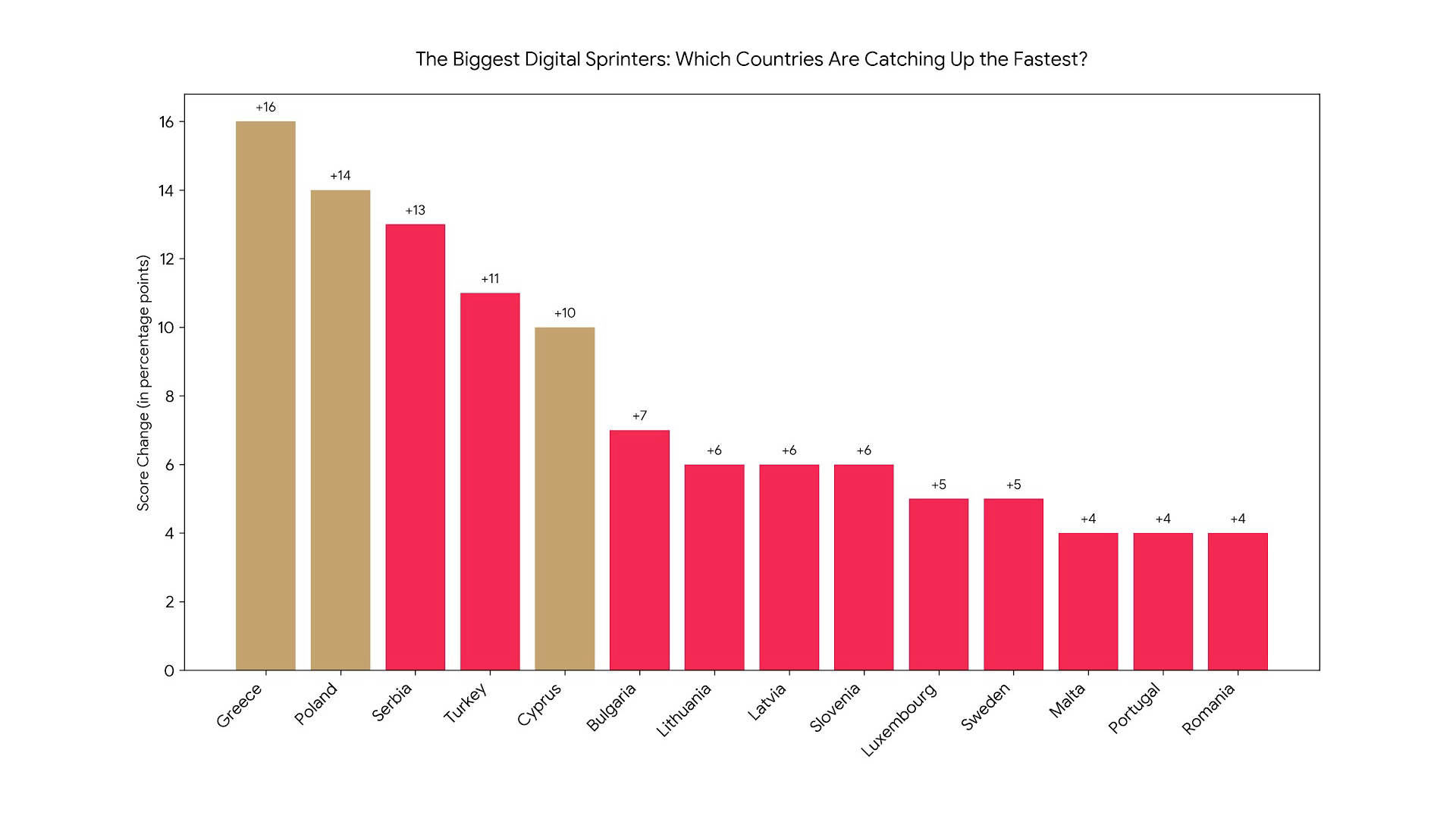
    • Ambitious Pretenders (Greece, Poland, Cyprus): This is the most interesting group from the perspective of seeking new large contracts. They are recording the highest growth rates and EU funds are driving large-scale transformation projects there.

    Analysis of the data leads to a fundamental conclusion: there is a clear correlation between a high score in the Key Enablers category and overall digital maturity. Countries at the top of the ranking, such as Malta and Estonia, have advanced and widely used digital identity systems.

    Without secure and convenient e-ID, administrations can only offer simple information services. Therefore, countries with digitisation ambitions but a low score in this category will have to invest in building or upgrading their identity systems first.

    For the Polish integrator, this is a clear signal that tenders for e-ID, e-signature and e-credentialing systems will be an absolute priority in the ‘contender’ markets.

    Beyond the ranking – identification of markets with the highest growth potential

    A static ranking does not tell the whole story. The real value lies in analysing the dynamics of change. It is not the leaders that generate the greatest demand, but the countries that have made the biggest leap in rankings in recent years.

    Greece: the absolute leader in dynamism. In just four years, Greece has improved its ranking by 16 points – the biggest jump in the whole of Europe. The country, which until recently was seen as a digital marauder, is now pursuing an ambitious transformation programme, fuelled by significant funding from the RRF.

    Poland: With an increase of 14 points, Poland is the runner-up for growth in the EU. This proves that our domestic market is also undergoing intensive investment and is an extremely attractive field.

    Cyprus: with an impressive rise of 10 points, Cyprus is another market to watch. Like Greece, starting from a lower base, Cyprus is investing in the fundamentals of the digital state.

    Where does this remarkable dynamic come from? It is the result of a synergy of political will and a powerful financial injection from the EU’s Reconstruction and Resilience Facility (RRF). More importantly, these countries’ investments are not in niche improvements, but in fundamental, large-scale systems, such as the construction of central registries, the implementation of national e-service platforms or the creation of digital identity systems.

    For large IT integrators, these are ideal opportunities to win flagship contracts.

    Poland compared to Europe – the domestic market as a springboard for success

    Poland’s impressive rise in the eGovernment Benchmark ranking proves that great opportunities lie just beyond the threshold. Experience gained on home ground can become the most valuable capital in international expansion.

    Poland’s digital administration is a picture of contrasts. On the one hand, we are a European leader in certain areas, e.g. in terms of online access to medical data. On the other hand, there is still a large gap between central and local administration, and cross-border services need to be improved. These weaknesses are at the same time huge market niches.

    A key driver of the transformation in Poland is the National Recovery Plan (NERP). Out of a total pool of EUR 59.8 billion, as much as 21.3% (around EUR 12.7 billion) has been earmarked for digital purposes. This is a gigantic stream of money that will be invested in cyber security (EUR 532 million), digitisation of administration (EUR 100 million) or digital education (EUR 1.2 billion).

    Polish IT companies should use the domestic market as a testing ground. Every successful project carried out in Poland under the KPO becomes a powerful ‘export ticket’. A Polish company that successfully implements a KPO-funded project gains invaluable know-how.

    It can then offer the same proven solution to a Greek ministry or a Cypriot government agency, arguing that it understands perfectly the specifics of RRF-funded projects. This is a powerful competitive advantage.

    From analysis to contract

    The theoretical analysis materialises in the form of specific public contracts, which can be found on the Tenders Electronic Daily (TED) portal – the official EU platform with free access to thousands of advertisements. Systematic monitoring of the portal is not only a way to find orders, but also a form of market intelligence.

    Here are examples that support these claims:

    • Greece – AI-based innovation: the Greek Ministry of Digitalisation has launched a tender with an estimated value of €19.1 million for the implementation of AI-based solutions in public administration. This is perfect evidence of a ‘technological leap’ – a country catching up with the most advanced technologies right away.
    • Cyprus – Building Data Foundations: A health insurance organisation in Cyprus is looking for a contractor to create, implement and maintain a data warehouse. This is an example of a foundational project that demonstrates the huge demand for building key elements of the data infrastructure.
    • Poland – Cyber Security at Local Level: The tender launched by the Municipality of Lagiewniki to upgrade its cyber security illustrates a market niche at the local government level. Hundreds of similar, smaller tenders create a huge, fragmented market, ideal for medium-sized IT companies.

    Armed with experience and high-calibre specialists, Polish technology companies today have a historic opportunity to become not just contractors, but key architects of this change, building their position on the international stage for years to come.

  • EC identifies 12 vectors that will determine Europe’s technological future

    EC identifies 12 vectors that will determine Europe’s technological future

    The European Commission’s ‘State of the Digital Decade 2025‘ report is an annual barometer of ambitions and realities in the Union’s digital landscape. This year’s edition, while pointing to progress, is first and foremost a sober assessment of the fundamental challenges.

    The document identifies 12 key areas that will determine whether Europe becomes a digital leader or remains in the shadow of technological powers outside the continent. The conclusions are clear: without strategic investment in infrastructure, cyber-security and competence, European digital sovereignty will remain a mere political buzzword.

    Foundations: infrastructure dependency and the race for computing power

    Europe’s digital aspirations are overshadowed by its deep dependence on key suppliers. Analysis shows that more than 80% of digital products, services and infrastructure originate outside the EU. This statistic underpins the first and most important vector identified in the report: sovereign computing power.

    Without its own scalable resources in the cloud, edge computing and supercomputing (HPC), the Union will not be able to control its digital future. The report emphasises the need to accelerate funding processes and project deployment to meet strategic cloud and artificial intelligence objectives.

    The problem of dependency also extends to physical infrastructure. The international submarine cables, referred to as the digital arteries of Europe, require increased redundancy and the creation of coordinated repair mechanisms.

    The same is true in space, where EU projects such as IRIS² (Infrastructure for Resilience, Interconnectivity and Satellite Security) are expected to make the continent independent of external satellite constellations.

    However, growing computing power comes at a price. The Commission warns that energy consumption in data centres could increase by 70% by 2030. This makes it imperative that planning for digital growth is inextricably linked to an energy strategy based on renewable sources and efficiency.

    The Shield: cyber security in the quantum age

    The second pillar on which the report is based is cyber security. The European Union already has an advanced legal framework in place, such as the NIS2 Directive or the CRA (Cyber Resilience Act) and CSA (Cybersecurity Act). However, legislation is only the beginning.

    The key now is to implement them effectively, including managing the risks associated with high-risk providers in 5G networks.

    At the same time, a new existential threat is on the horizon: quantum computers, capable of breaking current encryption standards. Europe already has a post-quantum cryptography (PQC) roadmap with the goal of migrating systems between 2030 and 2035, but national implementation strategies are lacking.

    Time is running out, as data captured today can be decrypted in the future.

    Cyber-hygiene in the SME sector remains a weak link. European SMEs often lack advanced technology and knowledge, making them an easy target and increasing the vulnerability of the entire supply chain.

    Network and people: uneven adoption and the skills gap

    The report also highlights the slower-than-expected pace of upgrading the network itself. Although 5G network coverage is growing, adoption of its fully autonomous version (Standalone) is low. This is hampering the development of advanced services and delaying preparations for the 6G era.

    Similarly, the implementation of fundamental internet standards such as IPv6 (crucial for scalability) or DNSSEC (a secure domain name system) is similarly uneven, generating systemic risk.

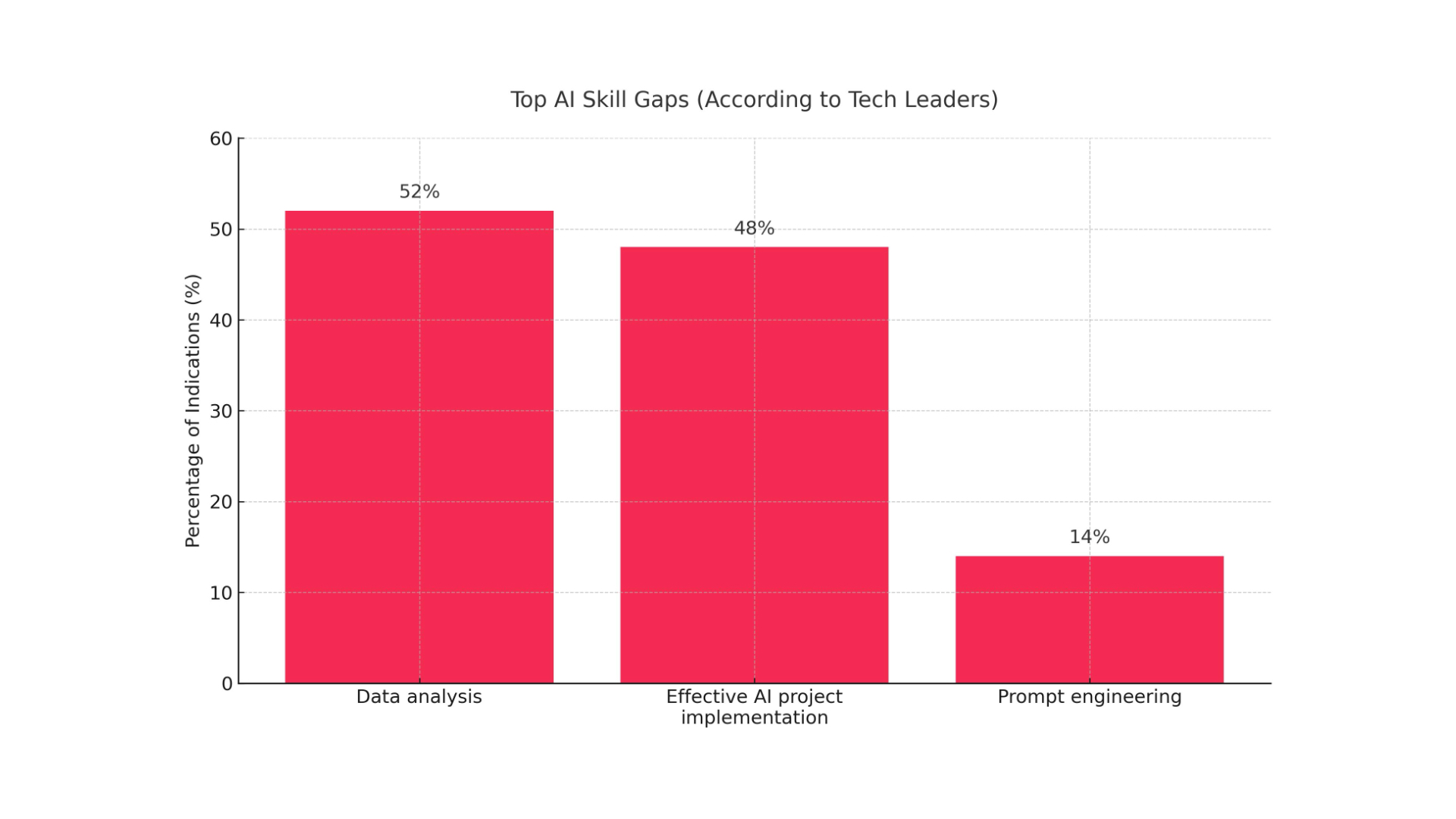
    Progress can be seen in the area of digital public services and e-identity, but here too there is the problem of technological dependence on external platforms. However, the human factor remains the biggest challenge. There is a shortage of nearly 300,000 cybersecurity professionals in Europe and the overall number of ICT experts is insufficient.

  • Convergence of IT and OT accelerates digital transformation, but cyber threats don’t sleep

    Convergence of IT and OT accelerates digital transformation, but cyber threats don’t sleep

    The integration of IT and OT systems is becoming an indispensable part of digital transformation in industry. The merging of office and industrial environments opens up new opportunities for companies – from better use of operational data to process automation and cost optimisation. At the same time, however, it significantly expands the attack surface and changes the nature of the threats facing cyber security.

    Increased efficiency at the expense of greater exposure

    OT systems, traditionally isolated, are increasingly connected to IT networks and the cloud, making them vulnerable to attacks specific to the digital world. More and more companies are finding that modern industrial infrastructures – based on IoT, IIoT and remote management – can become easy targets without proper security.

    Growing threats such as ransomware, remote session hijacking or advanced persistent threats (APTs) are no longer a concern only for IT departments. Today, the real risk of an attack means not only the loss of data, but also the suspension of production, damage to machines and, in extreme cases, the threat to the health or life of employees.

    Remote sessions and APTs – the Achilles heel of OT networks

    Two phenomena stand out among the most worrying attack vectors: session hijacking and APT attacks. The former involve taking over users’ remote connections or devices and using them to gain access to industrial networks. The second – more complex and longer-term – are based on the covert presence of cybercriminals on systems, often for many months before the actual attack takes place.

    What do the two scenarios have in common? Lack of visibility and delayed response. Monitoring therefore becomes a key factor – not only of IT, but also of OT environments, which until now have often operated in isolation from procedures familiar to cyber security teams.

    New standard: active and passive monitoring of OT networks

    Integrated monitoring – combining data from the infrastructure, network and application layers – is now the foundation for building resilience in OT networks. The monitoring of industrial protocols such as OPC UA and the verification of the status of firewalls, updates and endpoint components play a special role here. A combination of passive (analysis of signals, logs, so-called traps) and active (connection testing, examination of device statuses) methods is key here.

    This approach makes it possible not only to detect anomalies earlier, but also to understand their causes – whether there is a technical failure or perhaps a deliberate external action. Monitoring becomes not just an IT tool, but an integral part of the OT strategy.

    Cyber resilience as an element of competitive advantage

    The growing importance of cyber resilience in industrial environments shows that IT and OT security should no longer be treated separately. Integrating the two worlds requires a new approach – both technological and organisational. The key is to be proactive, automate monitoring and create a common language between production, IT and security teams.

    Companies that invest in holistic risk management will not only gain greater security, but also a competitive advantage. At a time when any disruption in production can mean millions of dollars in losses, the ability to respond quickly to incidents is becoming one of the cornerstones of modern industry.

  • How to achieve higher levels of digital transformation in a hybrid IT world (interview)

    How to achieve higher levels of digital transformation in a hybrid IT world (interview)

    Digital transformation is a new priority for many organisations. However, the pace of technological change and, at the same time, the complexity of today’s hybrid environments are such that harnessing the opportunities available and aligning them with business strategy is a major challenge. The support of experts equipped with proven methods and tools allows you to lead the transformation quickly yet securely. We talk about the biggest challenges of digitalisation and IT transformation and the WOW effect with Maciej Toroszewski and Krzysztof Chibowski from the Advisory & Professional Services department at Hewlett Packard Enterprise (HPE) Poland.

    What is the genesis of the Advisory & Professional Services department at HPE?

    Krzysztof Chibowski, HPE
    Krzysztof Chibowski, HPE
    .

    Krzysztof Chibowski [K.C.]: Companies deciding to take on the serious challenge of digitisation lack both competence and tools. HPE recognised this a long time ago and therefore acquired Cloud Technology Partners in 2018. In doing so, we acquired both. These competences were built on the basis of successfully running public cloud migration projects over a period of 10 years. These were the beginnings of the Advisory & Professional Services department in its current form. Today, we have a significant number of experts, methods and tools at our disposal to speed up the implementation of such projects, prevent common mistakes and ensure final success. As an organisation, we have nearly a thousand migrations to our credit. These practices have been developed over many years of experience, are used when supporting new customers and are updated with each successive project. This allows us to offer a repeatable process, rather than improvisation or starting from scratch each time.

    Maciej Toroszewski, HPE
    Maciej Toroszewski, HPE
    .

    Maciej Toroszewski [M.T.]: What is one of the biggest challenges for many companies today? As they want to drive digital transformation and migrate to the public cloud, they clash with issues of data sovereignty, regulatory compliance, cost management or resource consumption itself. After a period of fascination, they begin to see that, in most cases, it is not possible to easily move infrastructure from their own data centre to the public cloud. It turns out that top-notch specialists with vast experience in local data centre issues cannot transfer them to the cloud. The differences are too great. This is why people are the foundation of a successful transformation. So in addition to tools and hard skills, change management becomes critical: organisational and operational. And here, too, we offer our customers proven methods for transitioning from a traditional IT management model to one that fully exploits the capabilities of new technologies. At HPE, we call this model the Edge 2 Cloud Adoption Framework (E2CAF) and it is a complete offering that supports all stages of the transformation to the cloud. Still close to the technology, we are after all a technology company, but based on a flexible agile approach, in line with the expectations and needs of the business in companies.

    So cloud computing is the biggest challenge at the moment?

    K.C.: No, it is just one of the challenges. Others include Data Management or reducing CO₂ emissions. This is embedded in both IT department strategies and overall business plans. The traditional way of doing projects was to secure the complete infrastructure within a certain timeframe. Therefore, customers bought all the equipment at the beginning of the project. Only part of it worked in production, with the rest acting as a buffer to allow for operations in the event of an increase in power or capacity requirements. The whole had to be not only powered, but also kept in the right conditions, including the right temperature. All of this significantly increases energy consumption relative to actual, current needs, and in the context of the aforementioned reduction of CO₂ emissions, optimisation in this area is very much needed. For example, investments in Data Centre cooling equipment made 10 years ago can now be replaced by more efficient and economical equipment. The result? Savings of up to 70-80 per cent. In the case of old-generation servers, the situation is similar.

    So customers today expect more from a technology supplier than the product itself….

    K.C.: Yes, definitely yes. The hardware platform is slowly disappearing from the centre of attention. Containerised solutions, such as HPE Ezmeral, for example, make us able to use the infrastructure we have more efficiently. Few companies today buy only hardware. On their own, they find it difficult to find their way through the maze of new technologies and services. Some lack the time, others lack the competence or experience. This is why most opt for solutions and technology they already know. Some need a partner with whom they can discuss everything in detail and who can show them the full spectrum of available options. Invariably, they all want results – fast, spectacular, cost-effective, making the most of what they already have.

    HPE Advisory & Professional Services is a high-level consultancy offering, but with direct reference to specific technologies. At the moment, the main driver of change is data – its growth and the information it brings with it, but that’s a topic for a longer conversation. The bottom line is that we are able to guide the client from the very beginning to the end of their transformation.

    M.T.: One of our differentiators is proactivity. We analyse publicly available company strategies and prepare concrete solution proposals for clients. We suggest how business objectives can be achieved on the basis of existing technologies, advise on the order of projects comprising the transformation, which projects are worth undertaking and which should be omitted – due to risk, cost or scale of difficulty. There is no cost to the client for such a meeting. This is a major change in the approach to IT solution discussions because, as a technology provider, we want to make sure that we are delivering an optimal solution that supports the strategic and business goals of the service recipient within the customer’s organisation.

    What can customers expect from APS services?

    M.T.: Take the Digital Next Advisory service, which is about creating a detailed transformation map. This is based on a framework developed over years and hundreds of projects around the world that makes it easy to link IT projects to business objectives. We show precisely what, when and how to implement. We sometimes joke that we walk into a client and generate a WOW effect. However, there is something in that. We show clients new possibilities, opportunities and threats, pitfalls they hadn’t thought of before, and they gain a whole new perspective as a result. This clarifies for them what they want and what they can achieve, and at the same time what they need to do so.

    K.C.: It’s worth mentioning that APS’s services combine perfectly with HPE’s GreenLake offering, which makes it easier for customers to achieve their goals without having to move applications and data to the public cloud. Whatever the reason they don’t want to or can’t do that, we can offer them a cloud experience in their own data centre. This is hugely important in an organisation-wide digital transformation. It does not always make sense to move all a customer’s systems to the cloud. There is quite a strong current trend of going back to on-prem solutions and creating private cloud solutions. It turns out that it is best anywhere, but best in one’s own data centre.

    M.T.: Finally, I would like to add that our services are independent of specific technologies or cloud service providers – we always recommend to our customers what is optimal for them in their specific situation.

  • 5 questions to… Martin Mandryk, Iron Mountain

    5 questions to… Martin Mandryk, Iron Mountain

    Marcin Mandryk, Sales Operations Executive CEE & Product Manager at Iron Mountain, answered 5 questions about digitisation and data management in companies, pointing out that “over the past two years, organisations have come to the conclusion that operating effectively without the support of technology is not possible in today’s business reality.”

    1. why is data now being identified as another factor of production, alongside capital, land and labour?

    We have known for a long time that data are the most important resource of any organisation, no matter what industry it represents. They play an extremely important role because they enable rational business decisions to be made. Therefore, developing the area of data analytics within a company is critical. In 2021 alone, we produced nearly 74 Zettabytes of data, and it is estimated that this number will double in the next two years. Appropriate data management is therefore one of the key challenges for modern business.

    2 What are the most common mistakes companies make in relation to data management and collection?

    Data is only of significant value if we can go back to it quickly and easily extract the information we need. Therefore, I believe that the biggest mistake is to use company resources to collect and analyse data unreflectively. In my opinion, the key is to draw valuable conclusions from them that have an impact on day-to-day operations, which is helped by artificial intelligence or machine learning algorithms, among others. According to Ernst & Young experts, companies only use 5-10% of the data they collect. In the plethora of unstructured information, they hardly realise what resources they have at their disposal. Furthermore, storing redundant and unused data generates financial expenses and increases vulnerability to cyber threats.

    (3) Companies around the world are paying increasing attention to the problem of environmental pollution and aiming to generate the lowest possible carbon footprint. Does inefficient data management have a negative impact on environmental issues?

    By downplaying the issue of data management, companies are not being particularly kind to the environment. The first thing that comes to mind is the piles of paper documentation that we very often generate and archive without any significant need. Advances in technology or legislative changes mean that organisations are increasingly using digital resources, minimising the number of sheets of paper they collect. This makes business greener, but digitisation does not solve all environmental problems. While it is disproportionately less costly to maintain digitised data than all the resources required to produce traditional documents, the electronic dustbin should not be enlarged any more than necessary. Achieving the sustainable development goals through modern technology therefore requires, first and foremost, a strategic change of approach to the subject of information management. We should move away from the idea of collecting data, whatever form it takes, to optimising processes and using the full potential of the resources we already have.

    4 What arguments are most likely to convince companies to invest in high-level data management?

    We recognise that, in most cases, organisations expect innovations to primarily reduce the costs of day-to-day operations, increase efficiency and optimise processes, and thus achieve a rapid return on investment. However, we signal at every opportunity that digital transformation should be implemented as part of a consistent strategy rather than ad hoc measures. According to the Iron Mountain survey, as many as 86% of respondents report that new technology solutions have helped their companies achieve a competitive advantage. Over time, however, digitalisation has become a business imperative, as the pandemic period has proven to us. Many companies, despite growing market awareness of the potential of modern technology, only initiated digital transformation when circumstances demanded it. Over the past two years, organisations have come to the conclusion that operating effectively without the support of technology is not possible in today’s business reality.

    5 Which industries are currently most likely to use data management services? Why do you think this is?

    The digitalisation of business in Poland is progressing, and our domestic market is characterised by high dynamics in the implementation of modern technological solutions. Today, organisations from all sectors of the economy are taking part in the digital transformation, but for many years the undisputed leader in this area has been the financial sector, which covers nearly 60% of all implementations. A similar trend can be observed in other Central and Eastern European countries, among which Poland ranks high, second in terms of digitalisation. The technological maturity of the financial and insurance sectors is due to the specific nature of the companies’ activities, which have always struggled with a huge amount of documentation. Their openness to innovation now enables them to shape their product portfolios in response to market expectations, personalise the consumer experience, and serve customers in real time 24/7.


    Marcin Mandryk – Holds the position of Sales Operations Executive CEE & Product Manager at Iron Mountain. He holds international certifications in the areas of Product Management, Product Marketing and Process and Project Management. Previously, he worked for, among others, Nordea Bank, Expander Advisiors and Polbank EFG. A graduate of the Cracow University of Economics at the Faculty of Economics and International Relations.

  • Technologies that help make the mobile workplace work (Interview)

    Technologies that help make the mobile workplace work (Interview)

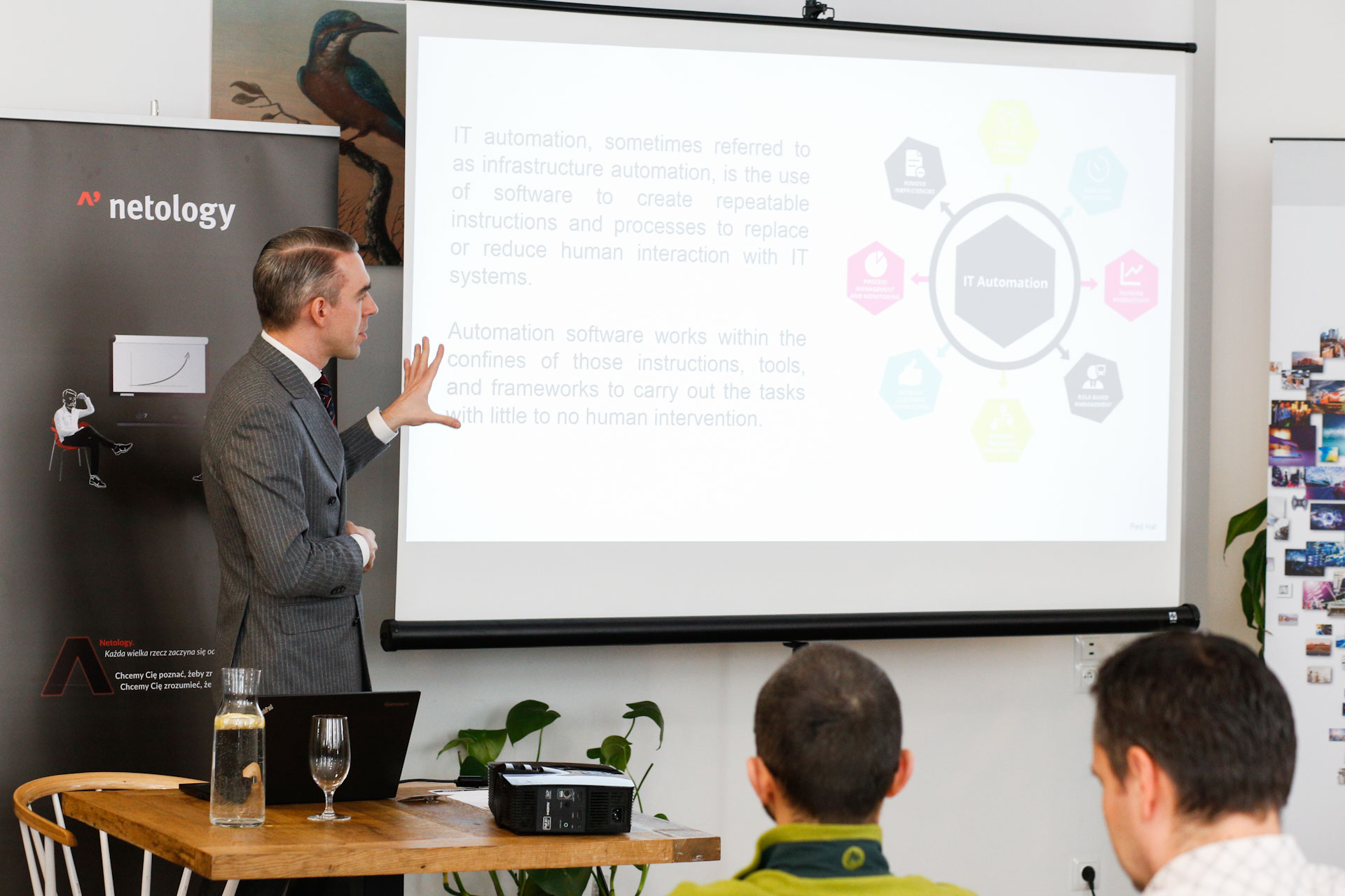
    What do companies have to face when wanting to implement remote working and what tools are helpful for the smooth functioning of a mobile workstation? – in an interview with Krzysztof Wyszyński, IT Architect, Net-o-logy sp. z o.o.

    Przemysław Kucharzewski, BrandsIT: The coronavirus outbreak has dominated the discussion not only among epidemiologists and at the highest levels of government. The thread is running through conversations in many fields and it is no different in the IT industry. What is most often discussed?

    Krzysztof Wyszyński, IT Architect, Net-o-logy Sp. z o.o.: I will answer this question from my own perspective, based on conversations I have had with customers and business partners. In the first weeks of the outbreak, remote working issues came to the fore, which is somewhat understandable as organisations were keen to ensure business continuity despite the unusual situation. However, let’s remember that digital transformation has been an ongoing process for many years and some companies were somewhat prepared to operate in the kind of environment we have today. Others, on the other hand, were faced with a fait accompli and the need to act ad hoc.

    BrandsIT: Can you say a bit more about the remote working model in companies for which the road to digital transformation has been a long one?

    Krzysztof Wyszynski: Some companies are trying to extend the remote working model to as many employees as possible, which can improve financial parameters related to renting and adapting office space or facilitating the implementation of the increasingly popular task-based working time accounting system.

    We can consider remote working itself in three aspects, which we will simultaneously treat as successive stages.
    1. meetings and teleconferences.
    2. secure access to company applications and data.
    3. mobile workstation.

    BrandsIT: The issue seems obvious to most IT professionals, but it would be good to clarify what is behind the above terms. Can you briefly introduce them?

    Krzysztof Wyszynski: Of course. The first aspect seems to be firmly established, known and applied. There are a number of solutions available on the market, both cloud-based and on-premise, that allow you to attend a meeting from anywhere using a smartphone, tablet or laptop.

    The second area is solutions for being able to remotely connect to the corporate network to access data or applications. Here, all kinds of VPN-class solutions that have been known and used for years are leading the way.

    The third aspect can be considered the most crucial, as the first two do not guarantee secure working and do not provide a complete remote working solution for the office worker. The workstation, whether in the form of a laptop or desktop, is one of the most common attack vectors for organisations.

    BrandsIT: Let’s pause for a moment on the third point. What exactly is a mobile workstation and what technologies are being used?

    Krzysztof Wyszynski: Among decision-makers responsible for the IT area in organisations, the most popular solution is the VDI (Virtual Desktop Infrastructure) class products, which are simple to administer and use, and at the same time feature a holistic approach to remote working. It definitely has more advantages than the commonly used VPN, and combining VDI with a VPN gives us a complete solution that increases the security of data and applications used in the company.

    BrandsIT: If you were to point out the most important advantages of a VDI solution, what are the most noteworthy?

    Krzysztof Wyszynski: VDI enforces standards in the workstation area, but also allows us to reduce the technology stack required to secure the workstation. At the same time, we separate the end station (laptop, tablet, any desktop) from the data and applications, which is particularly important if we consider the previously mentioned attack vectors on the so-called ‘ends’.

    BrandsIT: What benefits does this bring?

    Krzysztof Wyszynski: The benefits concern both system administrators and end users. The former will appreciate the native and central management of workstations and the simple scaling of the infrastructure according to users. It also gives them the option of using simple, inexpensive end devices with a long life, regardless of the user’s requirements (e.g. a designer with advanced 3D can work on a standard end station or even a simple home PC with the same performance as in the office). In addition, VPN-class solutions combined with MFA are an add-on layer to the ecosystem, not a requirement.

    The latter, on the other hand, will appreciate the increased convenience compared to a VPN alone. The end user also always has access to the same workstation and in the same way, regardless of the end device the user is using.

    BrandsIT: Scalability is certainly an undoubted advantage of a VDI solution. What exactly does it mean?

    Krzysztof Wyszynski: You can build a project based on the total cost of ownership of the solution per user. Moreover, the cost of a typical office user may be different from that of a specialist, 3D designer or any other position requiring specific applications or increased performance. This makes it much easier to build an organisation’s catalogue of IT services.

    Pricing scaling varies depending on the number of users and the system software required. It is possible to build a project with a TCO, including a maintenance service with SLA, in the order of PLN 1000-2000 net per user per year.

    BrandsIT: Sounds interesting. I’m curious about another issue related to VDI, which may have already been hinted at during our conversation. What advantage does this solution have over others in the area of remote working in the current epidemic situation?

    Krzysztof Wyszyński: In the case of the necessity to face the situation of fast implementation of remote work mechanisms, VDI class solutions have an unquestionable advantage thanks to which users can work from home using any equipment they have, without the need to secure it. No application or data access is served on the endpoint, only the transfer of images from the data centre. The workstation’s communication with the corporate network takes place entirely in the data centre.

    BrandsIT: Thank you very much for an interesting conversation. I wish you a safe time of isolation and a return to the pre-Cronavirus situation as soon as possible.

    Krzysztof Wyszynski: Thank you also for the conversation and I wish you good health.