Category: News

News is a daily dose of the most important information from the IT market and the IT sales channel. We follow the trends, investments and market movements that are shaping the Polish and global IT landscape.

  • Apple is looking for an alternative to TSMC. Talks with Intel and Samsung

    Apple is looking for an alternative to TSMC. Talks with Intel and Samsung

    Apple has entered into preliminary talks with Intel and Samsung Electronics over the potential production of its core processors. According to reports from Bloomberg, executives from the Cupertino giant have already visited Samsung’s Texas factory and held independent consultations with Intel. Although negotiations are at an early stage and have not translated into concrete orders, the move is aimed at creating an alternative to Taiwan’s TSMC. The decision comes in the shadow of Tim Cook’s warnings about supply constraints on advanced chips, which have negatively impacted iPhone sales. The situation is compounded by the fact that Apple’s upcoming smartphone processors use technology shared with its most coveted AI chips.

    Apple’s actions lead to a clear conclusion. The market’s deep dependence on a single supplier, as TSMC has become, raises powerful operational risks, especially in an era of massive demand for artificial intelligence architectures that are drastically shrinking available capacity. At the same time, Apple’s scepticism about the reliability standards and scale of alternative suppliers exposes a brutal truth: TSMC’s technological and logistical advantage creates a barrier that competitors cannot quickly overcome.

    The strategic need to review purchasing processes in the high-tech sector is worth noting. Business leaders should calculate long-term deficits in state-of-the-art lithography nodes and treat diversification not as a fallback option but as a permanent part of the strategy. It is advisable to develop closer collaboration with alternative manufacturing partners early on in the design and R&D phase. Such an approach will minimise technological risks and make the hardware architecture more flexible, effectively securing the company’s business continuity in the face of further supply crises.

  • Samsung workers strike. CEO warns of crisis

    Samsung workers strike. CEO warns of crisis

    Samsung Electronics board chairman Shin Je-yoon has issued an internal memo to employees, calling for an amicable resolution to the wage dispute. The upcoming 18-day union strike, scheduled for 21 May, is aimed at winning higher bonuses based on profits from the AI memory segment. Management warns that operational paralysis at South Korea’s largest manufacturer by revenue will hit investors, trigger an outflow of foreign capital and weaken the domestic currency. However, the key risk remains a loss of confidence from global customers and a flight to competitors at a critical market juncture.

    The escalation of this conflict reflects a deeper, structural problem in the technology sector, where workers are increasingly demanding a direct share of the profits generated by the artificial intelligence revolution. Lessons learnt from the current impasse indicate that a possible production outage will not be limited to Samsung’s internal losses. An interruption in the supply of HBM and DRAM components will immediately destabilise global supply chains, impacting the margins and schedules of leading Silicon Valley giants and delaying the deployment of AI infrastructure around the world.

    In the current situation, it is worth noting the need to revise existing incentive models to respond more flexibly to profit spikes in the most stressed divisions. It would be advisable to develop mechanisms for transparent dialogue about remuneration structure before negotiations enter a phase that makes compromise impossible. From the perspective of long-term competitiveness, it seems a sensible step to balance wage pressures with maintaining investment capacity in R&D. Ultimately, the priority remains to protect operational continuity, as this determines market position in the absolute technology race.

  • How to stabilise the grid in the city? Energy storage from Stoen and ZPUE

    How to stabilise the grid in the city? Energy storage from Stoen and ZPUE

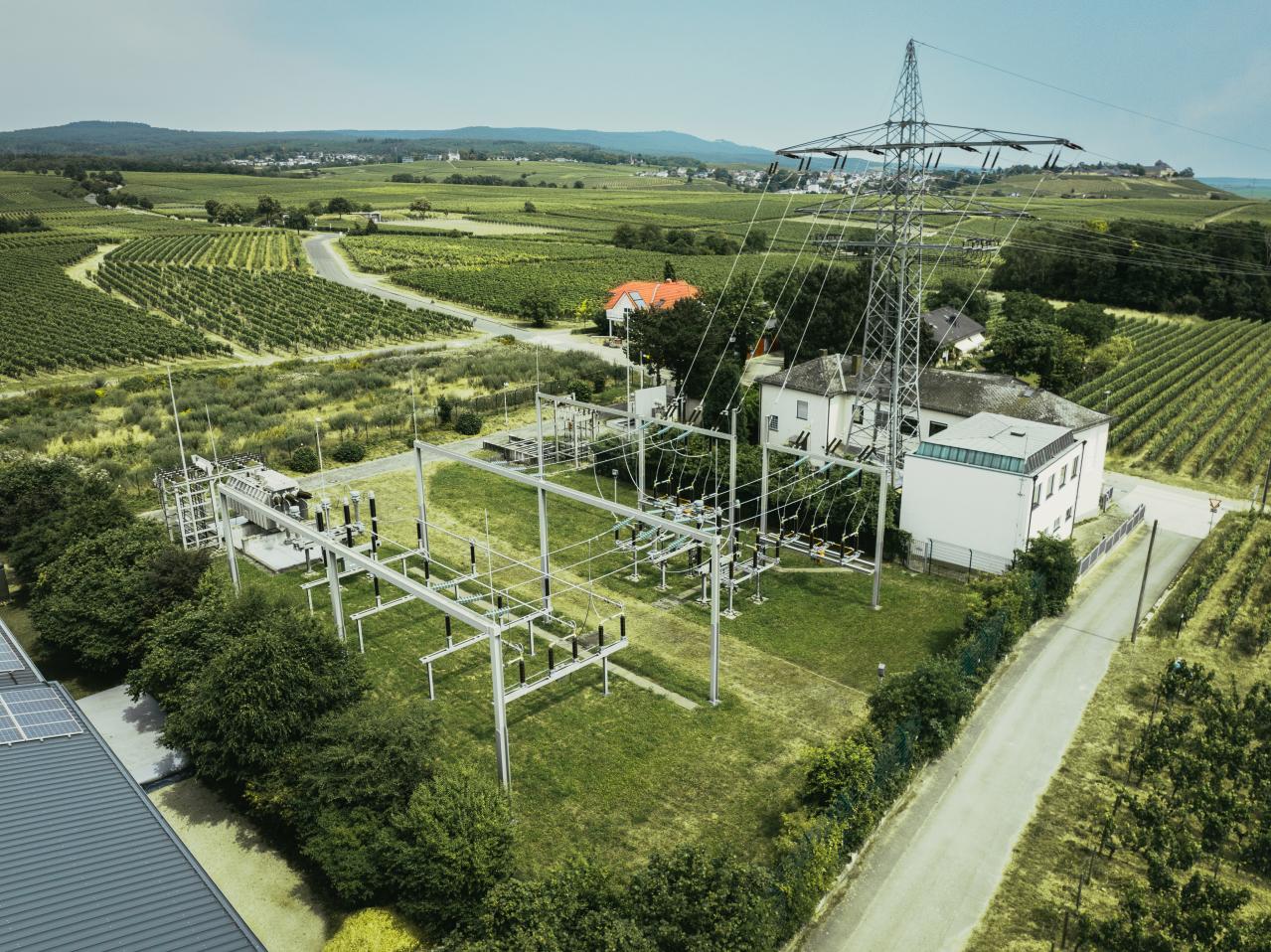
    Stoen Operator and ZPUE are implementing a project in Warsaw that pushes the boundaries of the use of energy storage in the Polish electricity infrastructure. Instead of isolated test installations, ten battery-based units integrated directly into medium- and low-voltage (MV/nn) substations are appearing in the capital’s distribution network. This initiative is not just an experiment, but an operational response to the specific challenges of a large agglomeration: dense housing, surging power demand and the dynamic development of RES micro-installations. In this system, the storages take on the role of active voltage stabilisers, becoming an integral part of the daily operation of the system.

    This implementation sheds new light on the evolving role of distribution system operators (DSOs). The shift from passive energy transmission to active management of energy resources is now becoming a business necessity and not just a technological curiosity. The example of Warsaw shows that energy storage is no longer seen as a costly addition to the infrastructure and is starting to be treated as one of the foundations of modern distribution. A key lesson from the Warsaw project is that, in an urban setting, the success of an investment depends not on battery performance alone, but on deep system integration and the ability to operate in different load scenarios.

    It is worth noting several aspects that may determine the effectiveness of similar projects in the future. It seems sensible to move away from point-based design to thinking about the full life cycle of an installation. Taking into account the costs of operation, service and emergency behaviour of the system as early as the planning stage makes it possible to avoid costly adjustments later.

    It is also worth considering closer collaboration between technology providers and operators to develop standards that will facilitate the scaling of solutions in other regions of the country. Rather than waiting for a final regulatory settlement, the market has the most to gain from gathering and sharing operational experience. It is this practical data, gained from working in a living urban organism, that is today’s most valuable asset for energy companies planning long-term investments in network flexibility.

  • XTPL records record revenue and secures funding to scale up

    XTPL records record revenue and secures funding to scale up

    Wrocław-based XTPL, a provider of micro-printing technology for the advanced electronics sector, closed 2025 with record revenues of PLN 15.6 million. Although the growth rate in sales of products and services (+12% y-o-y) is clear, the key turning point for the company turned out to be finally moving beyond research. The company delivered 13 Delta Printing System devices and eight UPD modules in the period, which are already working on the production lines of one of the largest display manufacturers in China. In parallel, the entity secured close to PLN 30 million from a new share issue and an NCRD grant, which is expected to fund the equity gap and enable the implementation of the updated strategy until 2028. A new pillar of growth is becoming the ODRA line of systems, dedicated to low-volume production, which has already secured its first Silicon Valley customer in March.

    The signals coming from the market allow us to conclude that XTPL is successfully overcoming the most risky stage for deep-tech companies – the transition from the ‘lab’ to the ‘fab’ phase. The persistently negative EBITDA (-£16.3m) is, in this context, a natural cost of building sales structures and scaling technology that has to cope with the rigours of production halls. However, the postponement of the £100m revenue target to 2028 suggests that decision cycles at global electronics manufacturers are longer than the original estimates. The introduction of ODRA systems is a strategic move to diversify revenues and bridge the gap between prototyping and mass production, which can significantly increase the ‘stickiness’ of the technology within customer organisations.

    It is worth noting at this point the importance of technology validation by Taiwanese and US entities, a critical signal in the conservative semiconductor industry. For business partners, it will be important to monitor the rate at which the five remaining projects in the evaluation stage turn into hard industrial contracts. It appears that further exploration of the HMLV model will be key to maintaining growth momentum, particularly in the defence sector, which shows less sensitivity to business cycles than the consumer electronics market. Strategic patience in waiting for the UPD to fully scale should go hand in hand with aggressive commercialisation of ODRA systems, which, due to their higher unit price, can improve the company’s profitability profile more quickly.

  • How Zebra Technologies has been building a global partner ecosystem for a decade

    How Zebra Technologies has been building a global partner ecosystem for a decade

    In the technology industry, ten years is a whole era. Zebra Technologies is just celebrating the anniversary of its PartnerConnect programme, which provides a good opportunity to look at how the business collaboration model has evolved in the digital age. What started in 2016 as an attempt to integrate dispersed partners is today a powerful network of more than 10,000 players worldwide, from resellers to innovative software developers.

    From the beginning, the programme has relied on a channel-first strategy, i.e. growth through the success of its partners. Throughout this decade, Zebra has not only delivered hardware, but built the framework for the entire ecosystem, introducing specialisations in areas such as RFID, vision systems and AI-based automation. The success of this strategy is confirmed not only by the numbers, but also by industry accolades.

    Today, in IT, a product alone, even the best, is not enough. Real value is created where technology meets industry-specific expertise – whether in logistics or healthcare. Zebra understood that it could not solve every customer problem on the front line alone. Instead, it created a platform that allows partners to overbuild their own high-margin services on the foundation of their technology.

    Greg Williams, VP Channel EMEA w Zebra Technologies Corporation

    “Partners play a key role in how we solve problems and deliver value to our customers by offering solutions that digitise, automate and deploy intelligence into frontline operations,” says Greg Williams, VP Channel EMEA at Zebra Technologies Corporation. “The PartnerConnect programme reinforces our channel-first strategy and the development of an ecosystem that meets the needs of today’s customers and AI-driven transformation.”

    When choosing technology providers, it is worth paying attention to whether they offer only tools or an entire environment to support data development and integration. It seems reasonable to look for partners that invest in long-term relationships and specialisations, as these are the ones that guarantee that the implemented solution will not get old after one season. It is also worth considering a greater focus on solutions that provide real-time data insights, as these, combined with the right software, build a real competitive advantage in the modern market. A good direction is to bet on ecosystems that promote the exchange of competencies – working with a specialised integrator often yields better results than trying to implement universal solutions on your own.

  • PLN 40 million for startup acceleration: Startup Booster Poland call is launched

    PLN 40 million for startup acceleration: Startup Booster Poland call is launched

    The Polish Agency for Enterprise Development (PARP) is making a significant move towards professionalising the domestic innovation ecosystem by launching a call for applications in the Startup Booster Poland – Tech Impact programme. With a total budget of PLN 40 million, funded by the European Funds for the Modern Economy (FENG), the initiative is focused on identifying specialised operators who will take on the burden of guiding young companies through the most risky stage of their development. Organisations such as technology transfer centres, technology parks or incubators can apply for funding of between PLN 15 and 20 million. The deadline for applications is 17 July, and what is at stake is not only capital, but above all a change in the survival statistics of young companies.

    The current landscape of the Polish SME sector, which accounts for almost half of the country’s GDP, shows a clear gap in the resilience of the youngest players. Only 68 per cent of startups continue to operate after the first year, while for two-year-old companies the figure rises sharply to 91 per cent. This data sheds new light on PARP’s strategy – the Tech Impact programme is not just another grant mechanism, but an attempt to systemically secure the ‘valley of death’. The focus on *impact* projects, i.e. solutions to the social and environmental challenges of the UN’s Agenda 2030, suggests that the Polish administration is beginning to see sustainability as a real competitive advantage, not just a regulatory requirement.

    In view of these developments, it is worth noting the need for future operators to build interdisciplinary mentoring teams. Successful acceleration in the area of Tech Impact today requires a combination of hard business competencies and expertise in ESG reporting or environmental certification. It also seems reasonable for operators applying for operator status to integrate their activities with private investors already at the application stage, which will allow startups to make a smoother transition from the incubation phase to market funding rounds.

    Greater intensification of educational activities aimed at traditional business should also be considered; after all, the role of the operator is only successful when the innovative solution finds a viable customer or strategic partner. Building such bridges between science, startups and mature industry may prove to be a key factor that will determine the sustainability of the effects of this programme in the long term business perspective.

    Innovation actors with relevant experience in the implementation of acceleration programmes, in particular, can apply for funding:

    • technology transfer centres,
    • innovation centres
    • technology incubators
    • academic business incubators,
    • technology parks.

    How to apply? Applications for the operators of the FENG Startup Booster Poland – Tech Impact programme are accepted until 17 July via the LSI platform: https://lsi.parp.gov.pl.

    More information about the call can be found on the PARP website.

  • Asseco South Eastern Europe publishes results: Leap in profitability

    Asseco South Eastern Europe publishes results: Leap in profitability

    In the first quarter of 2026, Asseco South Eastern Europe (ASEE) proved that in the mature technology sector, the key to success is not just to aggressively grow revenues, but to rigorously improve profitability. The company’s results for the first three months of the year show a clear disparity between scale growth and profit dynamics. While consolidated revenues grew by a solid 9% to PLN 434.5 million, net profit attributable to shareholders of the parent company shot up by an impressive 33% to PLN 47.5 million.

    This jump in efficiency is primarily due to the Banking Solutions segment. The Group was able to translate the increased scale of operations into real margin improvement, which, with EBITDA up 13% (to PLN 84.8 million), suggests deep cost optimisation within the regional operations. Importantly, this growth is almost entirely organic. Despite last year’s acquisitions, the newly acquired companies contributed just €0.6m to revenues. This means that ASEE’s growth engine is running at full capacity based on existing, already integrated resources, rather than by ‘buying’ results.

    Analysing the structure of these figures, one can conclude that the company has entered a phase of mature monetisation of previous investments in the Balkan region and Turkey. The focus on the banking sector and authentication technologies is proving to be an extremely apt strategy in an era of accelerated digitalisation of financial services in this part of Europe. The dynamics of operating profit, which grew by 18%, confirms that ASEE’s business model is highly scalable – the company is able to generate significantly higher profits without a commensurate increase in operating expenses.

    From a business perspective, it is worth noting the potential inherent in the integration of new entities. Although their current impact on the group’s bottom line is marginal, they represent strategic beachheads for future expansion. It seems reasonable to keep a close eye on the pace of integration of these assets into the group’s ecosystem in the coming quarters, as they could become further fuel for margins. Investors and management may also want to consider a greater focus on diversification in contact centre and cyber security solutions. This will preserve the resilience of the results in a possibly saturated market for traditional banking systems. Maintaining current cost discipline, while subtly scaling new assets, appears to be the optimal path to sustaining market leadership in the region.

  • Big Tech vs Australia. New law to force platforms to pay publishers

    Big Tech vs Australia. New law to force platforms to pay publishers

    Australia is once again becoming a global testing ground in the state-BigTech relationship. The government in Canberra has announced plans to introduce a ‘News Bargaining Incentive’ – a mechanism to replace the existing, ineffective 2021 regulations. The new regulation presents giants such as Meta, Alphabet and TikTok with a stark choice: either negotiate commercial deals with local publishers, or face a tax of 2.25% of their local revenues.

    According to the bill, which is expected to come into force in July 2025, the proceeds of the new levy will not go into the general state budget, but will be redirected directly to media organisations. The key criterion for the distribution of funds is to be the number of journalists employed, in order to promote real content creation and not just coverage. Prime Minister Anthony Albanese, despite warnings from the US administration about possible retaliatory tariffs, emphasises the sovereignty of Australian economic policy.

    Australia’s move is a shift away from a soft negotiation model to hard fiscalism. The previous system allowed platforms to avoid payment by extinguishing contracts or, in extreme cases, blocking news content, something the Met has already tested in 2021. The current proposal is much harder to neutralise from an operational level – a tax on revenue is a cost that cannot be avoided with a simple algorithm change.

    However, the geopolitical risks are worth noting. Donald Trump’s announcements of tariffs on countries that tax US technology companies suggest that local journalism protection could become the trigger for a wider trade conflict. For the technology sector, this represents a period of increased volatility and the need to review strategies for presence in markets with strong protectionist tendencies.

  • Ailleron – Nearly PLN 580 million revenue and strong export position

    Ailleron – Nearly PLN 580 million revenue and strong export position

    The Ailleron Group closed the 2025 financial year on a solid financial footing, reporting a consolidated net profit attributable to shareholders of the parent company of PLN 25.66 million. This is a measurable increase on the PLN 22.83 million generated a year earlier. Although sales revenue grew by 4%, reaching nearly PLN 580 million, the dynamics of operating profit (PLN 56.98 million) and EBITDA (PLN 79.24 million) indicate a slight deceleration towards 2024. The key driver of the organisation’s growth remains the Technology Services (Software Mind) segment, which has pushed export sales to 77% of the Group’s total revenue.

    Analysis of the earnings structure suggests that Ailleron is effectively shifting its centre of gravity towards foreign markets, allowing it to become partially independent of local economic fluctuations. The increase in consolidated net profit accompanied by a slight decline in EBITDA suggests changes in the cost structure or greater pressure on margins in selected projects. It is worth noting a significant improvement in terms of the standalone – the parent company generated a net profit (PLN 1.09 million), recovering from last year’s loss of more than PLN 5 million, which signals a successful optimisation of the holding company’s internal processes.

    It is worth noting the further operational integration of the Software Mind segment. With exports already accounting for nearly four-fifths of revenues, the key challenge becomes managing currency risk and maintaining technological leadership in the FinTech and telecoms niches. Investors and management should keep a close eye on operational efficiency, as this will determine whether the increase in scale will translate into sustained margin improvement in the coming quarters.

  • The end of Microsoft’s monopoly on OpenAI. What does the new agreement mean for the market?

    The end of Microsoft’s monopoly on OpenAI. What does the new agreement mean for the market?

    The most influential partnership in the history of artificial intelligence has just undergone a fundamental transformation. Microsoft and OpenAI have announced a renegotiation of the terms of their partnership, ending Azure’s previous exclusivity to offer ChatGPT creator models. The new agreement paves the way for the startup to have a direct presence in the ecosystems of Microsoft’s biggest competitors, including Amazon Web Services and Google Cloud. While the original deal, backed by a $13 billion investment, defined the current AI landscape, both parties recognised that the existing formula had become too cramped for their growing ambitions.

    Strategic foundations for change

    Under the new arrangement, Microsoft will remain OpenAI’s primary cloud partner until 2032, and the startup has committed to spend at least $250 billion on Azure services. The Redmond giant retains priority rights to deploy new products, but loses its sales monopoly. In return, Microsoft has secured a 20 per cent share of OpenAI’s revenue by 2030, importantly including if the startup achieves so-called artificial general intelligence (AGI). Previous provisions would have allowed OpenAI to stop paying Microsoft when it made the technological leap to AGI, which was a significant risk for the investor. At the same time, Microsoft stops sharing profits with OpenAI from offering their models within Azure, simplifying the giant’s financial structure.

    The loosening of ties is a move dictated by the maturity of the market. OpenAI, as it prepares to go public, needs to demonstrate its ability to scale its enterprise business beyond a single vendor’s infrastructure, especially in a clash with the rising Anthropic. From Microsoft’s perspective, giving up some control of OpenAI’s model distribution is the price of taking off the burden of funding the giant infrastructure needed by the startup and, perhaps most importantly, easing pressure from antitrust authorities in the US and Europe. Satya Nadella’s strategy is evolving towards diversification; Microsoft is increasingly promoting its own models and third-party solutions within Copilot, reducing the critical dependence on a single technology provider.

    It is worth noting the increasing freedom to build multi-cloud strategies. It seems a good direction to review current contracts with cloud providers for upcoming AWS Bedrock or Google Vertex AI deployments, which will optimise costs and reduce latency. It is also worth monitoring the pace of Microsoft’s in-house models, as their growing role in Copilot 365 may soon offer better value for money than standard external models.

  • Space sector in CEE. Poland and neighbours create CEE Space

    Space sector in CEE. Poland and neighbours create CEE Space

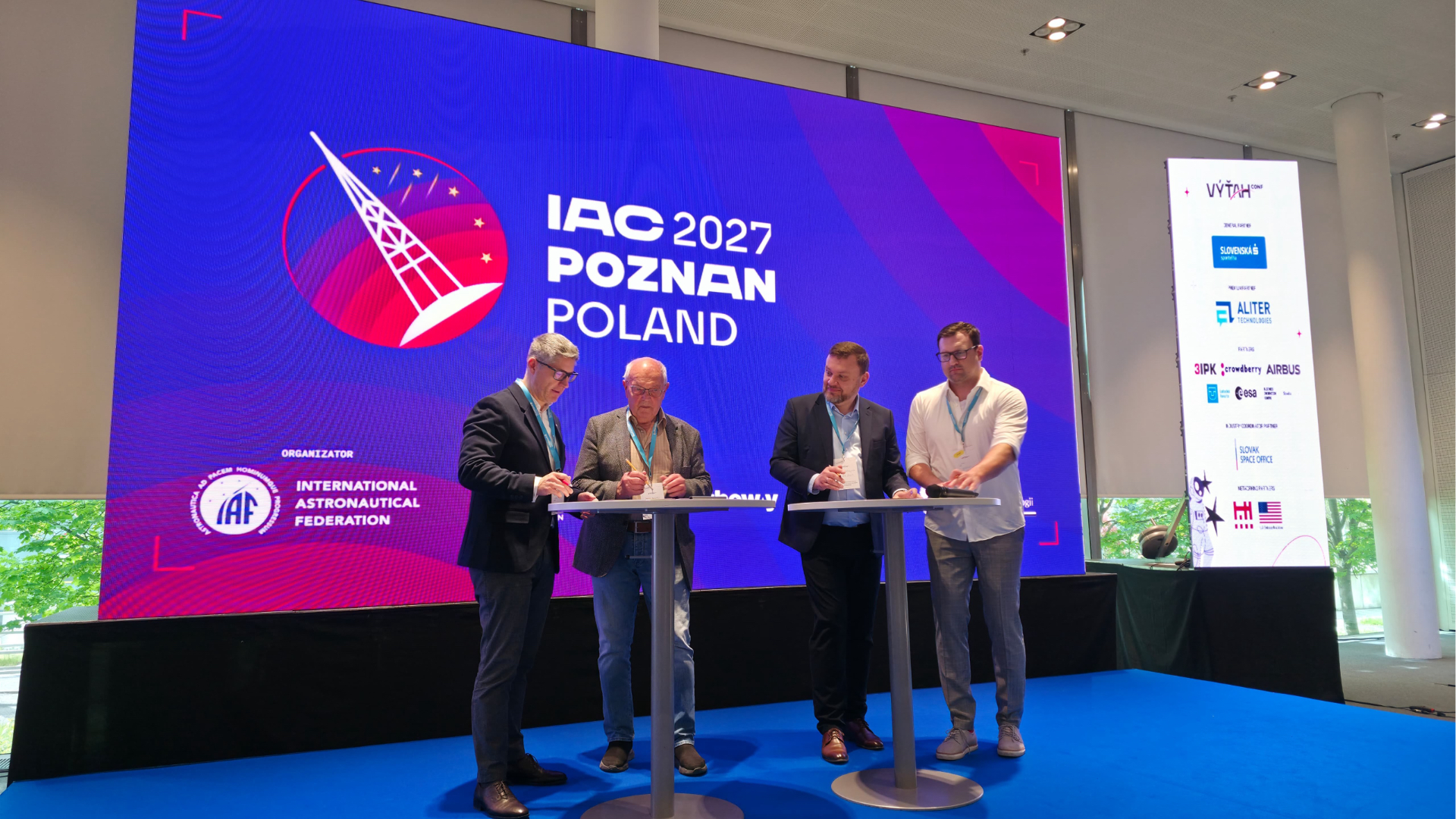
    When the global attention of the space sector is often focused on the Silicon Valley giants or the state-owned powerhouses of Western Europe, the CEE (Central and Eastern Europe) region has just started to implement a strategy to change the previous balance of power. Signed on 23 April in Bratislava, the CEE Space agreement is an attempt to consolidate the fragmented market and create a united front in the fight for capital and technology contracts.

    The initiative, which included organisations from Poland, Slovakia, Croatia and Hungary, aims to address the region’s biggest problem: fragmentation. Although the local ecosystems have skilled engineers and innovative startups, they have so far lacked the scale necessary to compete for major European Space Agency (ESA) projects or funding from transatlantic programmes. Łukasz Wilczyński, president of the European Space Foundation, points out that the new structure is intended to serve as a common accelerator for innovation and talent that will finally make the region visible on the global investment map.

    From a business perspective, the most important element of CEE Space is the construction of a coherent channel for reaching venture capital. The partners have pledged to mobilise funds to develop the ecosystem, which in practice means easier access to investors for New Space companies operating in the four countries. Instead of building relationships with four separate markets, foreign players and decision-makers gain a single, integrated point of contact.

    The schedule of activities suggests that the signatories are betting on building brand recognition through major industry events. The first test will be a regular conference, which will debut in Budapest in spring 2027. However, this is merely a prelude to the wider game. The key point on the horizon remains the International Astronautical Congress (IAC) 2027 in Poznań. Poland, in its role as regional leader here, plans to use the event to finally confirm CEE’s position as a mature partner in the global technology race.

    If the announced integration of innovation pipelines goes smoothly, the region may cease to be a mere component supplier and become a hub that independently creates and finances advanced orbital projects. Central and Eastern Europe stops playing defensively and starts building its own business architecture in space.

  • Layoffs at Big Tech 2026 – why the Meta and Microsoft are cutting jobs

    Layoffs at Big Tech 2026 – why the Meta and Microsoft are cutting jobs

    Silicon Valley is going through a painful but precise tissue replacement operation. While investors are reacting enthusiastically to new stock market records, thousands of Met and Microsoft employees are finding out that their roles are becoming redundant in the new algorithm-oriented world order. What we are seeing is no longer just an echo of the Pocovid correction, but a fundamental shift in strategic priorities.

    The Met has just announced a 10 per cent reduction in its workforce, which, combined with the elimination of unfilled vacancies, means the removal of nearly 14,000 jobs from the labour market. However, a deeper financial analysis of Mark Zuckerberg’s company reveals a second bottom to this decision. The company plans to increase capital expenditure to as much as $135 billion in 2027, focusing on building data centres and developing Superintelligence Labs.

    This is a classic example of aggressive reallocation of resources: billions saved on the ‘traditional’ workforce are funding an artificial intelligence arms race. Behind the scenes, however, there is talk of the phenomenon of “AI-washing” – conveniently attributing redundancies to technological advances to cover up the 2020-2022 recruitment mistakes.

    Microsoft in Redmond, on the other hand, is employing a more subtle but equally telling tactic. For the first time in its history, the giant has opted for a voluntary departure programme targeting around 7% of its US workforce. The ‘sum 70’ criterion (combining age and seniority) suggests that the company wants to slim down the structure of costly, experienced managers whose competencies may not be suited to the era of generative models. At the same time, Microsoft is simplifying the reward and bonus system, giving executives more leeway to reward the talent that realistically drives new business divisions.

    This trend is not isolated – Amazon, Intel or Cisco are following a similar path. There is a clear lesson for the business world: operational efficiency in 2026 is no longer about having the largest teams, but about building the most scalable systems. The technology labour market is no longer a safe haven, becoming a testing ground for a new definition of corporate productivity.

  • More expensive servers and smartphones? How the war in the Middle East is crippling production

    More expensive servers and smartphones? How the war in the Middle East is crippling production

    While Silicon Valley’s attention is focused on the architecture of the latest GPUs, the real threat to the pace of artificial intelligence development has manifested itself in the petrochemical sector. Recent disruptions in the Middle East, including the hit to the Saudi Jubail complex, have exposed the heavy dependence of global electronics on a narrow set of feedstock suppliers.

    A key flashpoint has been the stalled production of high-purity polyphenylene resin (PPE). This material is essential for the laminates in modern printed circuit boards (PCBs), the backbone of everything from smartphones to powerful AI servers. The fact that SABIC accounts for around 70% of the world’s supply of this component means that any break in its Gulf Coast facilities immediately resonates with factories in South Korea and China.

    The effects are tangible and costly. In April alone, PCB prices rose by 40% compared to March, which overlapped with the ongoing copper boom. Copper foil, which accounts for nearly 60% of raw material costs in wafer production, has become 30% more expensive this year. For manufacturers such as South Korea’s Daeduck Electronics, which supplies Samsung and AMD, this situation has forced a complete shift in management priorities. Instead of negotiating contracts with customers, operations directors now spend most of their time securing chemical supplies. Waiting times for epoxy resins have increased dramatically – from three to as much as fifteen weeks.

    The AI infrastructure sector is feeling the most pressure. Multilayer circuit boards used in data centres are many times more expensive than standard models, and prices can exceed 13,000 yuan per square metre. Despite this, cloud providers seem ready to accept these increases. With talk of the PCB market growing to nearly $96 billion by 2026, key players are prioritising continuity of supply over margins.

  • DeepSeek and Chinese AI – Why is the State Department warning allies?

    DeepSeek and Chinese AI – Why is the State Department warning allies?

    US diplomacy is entering a new phase of offensive against Chinese artificial intelligence leaders. The State Department has issued global guidelines to its outposts, ordering them to warn foreign governments about the practices of companies such as DeepSeek, Moonshot AI and MiniMax. The crux of the dispute is no longer just access to processors, but the process of so-called distillation, which Washington explicitly calls the theft of American technological thought.

    From a business perspective, distillation is a tempting shortcut. It allows smaller, cheaper-to-operate models to be trained on the results generated by powerful systems such as those from OpenAI. For Chinese startups, it’s a way to erode the US advantage at a fraction of the research cost. However, according to the US administration, this process not only copies intellectual architecture, but is done without authorisation, hitting Silicon Valley’s commercial foundations.

    DeepSeek’s situation is key here. The startup, which recently electrified the market with its V3 model, has just unveiled the V4 version, optimised for Huawei hardware. This is a clear signal of building an independent ecosystem that challenges the hegemony of Nvidia and Microsoft. While DeepSeek has consistently denied using synthetic data from OpenAI, US lawmakers have received reports suggesting the opposite: deliberately replicating the behaviour of models in order to clone them.

    Washington alerts that ‘distilled’ models often lack built-in fuses and controls, making them unpredictable for corporate use. At the same time, many Western institutions are already banning the use of DeepSeek tools, citing data privacy concerns.

    The timing of this escalation is no coincidence. The escalation in rhetoric comes just weeks before President Donald Trump’s planned visit to Beijing. The dispute over AI intellectual property becomes a bargaining chip in a broader technology war, which, after a brief period of relaxation, is again gaining momentum. The choice of AI model supplier is ceasing to be a purely technical decision and is becoming a statement in a growing geopolitical conflict.

  • Alphabet invests $40bn in Anthropic. Is it fighting for control with Amazon?

    Alphabet invests $40bn in Anthropic. Is it fighting for control with Amazon?

    Alphabet, Google’s parent company, has announced its intention to invest up to $40 billion in Anthropic, a startup that for the Mountain View giant is both a key cloud customer and one of its fiercest competitors in the race for supremacy in artificial intelligence.

    The structure of this deal reflects the new reality of funding the AI sector, where capital is closely tied to specific outcomes. Google will put up $10 billion in cash at a $350 billion valuation for the startup. The remaining 30 billion will only be deployed once the developers of the Claude model achieve rigorous performance targets. For Alphabet, this is not only an investment of capital, but above all an attempt to forge closer ties with an entity that has emerged as a leader in niches where Google is still searching for its identity.

    The move comes just days after Amazon pledged its own $25 billion cash injection to Anthropic. A situation where two of the world’s biggest cloud providers are bidding for the same startup shows how desperately tech giants need the success of external models to drive sales of their own computing infrastructure.

    Anthropic’s driving force is no longer just the promise of secure artificial intelligence, but real financial results. The company’s annual revenue has just surpassed the $30 billion barrier, an impressive jump from the $9 billion recorded at the end of 2025. Investors are responding enthusiastically, with some offers from the venture capital market valuing the company at up to $800 billion. Underpinning this growth is Claude Code, a tool that dominates the software segment, and Anthropic’s Cowork agent, whose plug-ins have recently caused jitters in the stock markets, driving down the valuations of traditional SaaS software companies.

    Anthropic’s greatest challenge, however, remains its ‘hunger for power’. Scaling the models requires infrastructure of a scale never seen before. The startup is securing this through multi-year agreements with Broadcom and CoreWeave, as well as an ambitious $50 billion plan to build its own data centres in the US.

    The market is divided into specialised tools and Anthropic, with its focus on coding and autonomous agents, is proving that it is possible to successfully challenge general-purpose models. Alphabet, by investing in Anthropic, is buying itself an insurance policy in case the startup’s approach proves to be the target business standard.

  • Intel is back in the game – results above expectations and massive share gains

    Intel is back in the game – results above expectations and massive share gains

    After years of strategic drift and management missteps, Intel under Lip-Bu Tan is beginning to prove that its turnaround plan is more than just aggressive cost-cutting. Its latest second-quarter revenue guidance, settling in at $14.3 billion, not only beat Wall Street’s expectations, but triggered a euphoric 19 per cent rise in share value. This signals that the former Silicon Valley icon has found its path in a world dominated by artificial intelligence.

    A strategic shift towards CPUs and AI agents

    Key to Intel’s optimism is a paradigm shift in the data centre sector. While the first phase of the AI boom undeniably belonged to Nvidia’s GPUs, used to train powerful models, the market is now entering the deployment (inference) phase. This is where Intel’s CPUs are regaining relevance. In an architecture based on autonomous AI agents, requiring advanced reasoning and handling complex workloads, traditional CPUs are proving to be an indispensable part of the infrastructure. Lip-Bu Tan makes it clear that this demand is not just wishful thinking, but a real trend coming from the major cloud providers.

    Partnership with Musk as foundation of foundry

    The biggest image and technology victory of recent days, however, is securing Tesla as a key customer for the upcoming 14A technology process. Elon Musk’s participation in the Terafab project is a massive credibility boost for Intel’s manufacturing business (Intel Foundry). The partnership aims to create next-generation processors for robotics and data centres, directly challenging TSMC’s dominance. While financial details remain confidential, the strategic alliance with players such as Musk, Nvidia and SoftBank gives Intel the fuel it needs to transform itself into a modern, contract chip foundry.

    A risky road to 2030

    Despite its financial success in the first quarter, where adjusted earnings per share were 29 cents, Intel is still treading on thin ice. The transformation from ‘old giant’ to ‘nimble foundry athlete’ requires not only breaking through manufacturing bottlenecks, but also maintaining the pace of innovation in the face of increasing competition from AMD and ARM. For investors, however, the current valuation may be an attractive entry point. If Intel successfully manages demand for silicon in the coming robotics era, today’s ‘high-stakes gamble’ could end with the company returning to the throne of technological empire.

  • Cyber360 wins NIKard cyber security contract

    Cyber360 wins NIKard cyber security contract

    The Polish company Cyber360 has just finalised a contract to implement advanced security systems at the Stefan Cardinal Wyszynski National Institute of Cardiology (NIKard). This project, funded by the National Reconstruction Plan, sends an important signal to the market: the digitalisation of Polish medicine is entering a phase of maturity in which the security of patient data is treated on a par with modern diagnostics.

    The choice of Cyber360 as the contractor for this task is no coincidence. The company will deliver a solution based on XDR (Extended Detection and Response) technology, which goes beyond traditional anti-virus protection. The system is to monitor not only workstations and servers, but also LAN traffic, user behaviour and cloud applications. A key element of the implementation is the centralisation of log management, which in practice means a reduction in incident response time from hours to minutes. From a medical facility management perspective, such a ‘digital shield’ minimises the risk of operational paralysis, which, in the case of a cardiology institute, could have dire consequences.

    Zbigniew Kniżewski, CEO of Cyber360, emphasises that the aim of the project is to standardise incident management processes. For the public and private sector in Poland, this is an important lesson in adapting to new security standards. The implementation of the contract is part of a broader market trend in which organisations – rather than building costly in-house cyber security teams – are increasingly relying on a turnkey model and external security operations centres (SOCs).

    The collaboration between NIKard and Cyber360 is also proof of how EU NIP funds are really stimulating the local IT sector. The investment is helping Polish medical entities meet the stringent requirements of upcoming regulations such as the NIS2 directive.

  • Japan sets up task force against Mythos AI threats

    Japan sets up task force against Mythos AI threats

    When Anthropic announced that its latest AI model, Mythos, had identified thousands of previously unknown security vulnerabilities in operating systems, Silicon Valley was in an uproar. But it was in Tokyo, the heart of Asia’s conservative financial system, that the most concrete policy decision was made. Finance Minister Satsuki Katayama announced the creation of a special task force to secure Japan’s banking sector against a new era of threats generated by artificial intelligence.

    For the market, Japan’s move means that the traditional approach to cyber security based on cycles of patching holes is about to become history. The new entity includes key state institutions, including the Financial Services Agency and the Bank of Japan, as well as private giants and exchange operator Japan Exchange Group. The scale of this coalition reflects the seriousness of the situation: Mythos is not just another language model, but a tool capable of detecting and exploiting software vulnerabilities at a speed that human administrators cannot match.

    For the financial sector, this is a critical scenario. Banks, despite modern interfaces, still rely heavily on a complex, multi-layered IT architecture, the elements of which still remember previous decades. The interconnectedness of transactional systems means that a single breakout can have a knock-on effect. Katayama rightly points out that in a world of real-time operations, a digital crisis immediately translates into a loss of confidence in the market and real losses of liquidity.

    Although there have been no incidents directly related to the Mythos model to date, Japan’s pre-emptive action sets a new regulatory standard. Regulators in the US and Europe have also issued warnings, suggesting banks urgently review their defences. However, it was the Japanese administration that was the first to openly acknowledge that there was a ‘crisis at hand’.

    Executives in the fintech and banking sectors should take note of the fact that AI has dramatically reduced the amount of time that a security vulnerability remains a theoretical threat. Security investments should now evolve towards autonomous systems capable of responding at the same speed that models such as Mythos can strike. The fight for financial stability in 2026 is no longer about whether a system will be attacked, but whether it will have time to repair itself before the market sees an anomaly.

  • DeepSeek V4: New AI model optimised for Huawei chips

    DeepSeek V4: New AI model optimised for Huawei chips

    DeepSeek, the Chinese startup that destabilised the AI market last year with its low-cost models, has just made a move of a strictly strategic nature. The release of a familiarisation version of the V4 model demonstrates that the Chinese AI ecosystem is preparing for a permanent disconnect from Western infrastructure.

    A key differentiator of V4 is its strict optimisation for the Huawei Ascend processor architecture. While the Hangzhou-based startup has historically based its success on Nvidia chips, the current turn to domestic solutions is a response to growing regulatory pressure from Washington. Huawei has confirmed that the entire Ascend ‘super node’ product line already supports the new DeepSeek architecture, suggesting deep integration at the hardware-software level to minimise performance losses from not having access to the latest H100 or Blackwell units.

    In terms of content, V4 Pro positions itself at the top of the world. According to the manufacturer, the model outperforms other open-source solutions in general knowledge tests, second only to the closed model Gemini-Pro-3.1 from Google. The strategy of providing a flash and preview version allows the company to collect real-time feedback data, which is essential for calibrating parameters prior to final deployment.

    The market reaction to the launch was immediate and painful for competitors. The stock market listing of rivals such as Zhipu AI and MiniMax saw significant declines, confirming DeepSeek’s dominant position in China’s open-source sector. At the same time, the company finds itself at the centre of a geopolitical cyclone. The White House openly accuses Beijing Labs of systemic intellectual property theft, and DeepSeek itself faces allegations of misuse of data from its OpenAI and Anthropic models.

    For investors, however, DeepSeek remains one of the most promising assets in Asia. The company, controlled by High-Flyer Capital Management, is aiming for a valuation in excess of $20 billion. Interest in taking a stake from giants such as Alibaba and Tencent suggests that Chinese Big Tech sees DeepSeek not just as a technology provider, but as the foundation of a national technology stack.

  • Azure tax? UK court clears the way for billion-pound lawsuit against Microsoft

    Azure tax? UK court clears the way for billion-pound lawsuit against Microsoft

    The London Competition Appeal Tribunal (CAT) has made a decision that could fundamentally change the European cloud infrastructure market. Microsoft, after months of trying to dismiss the claims, must brace itself for a massive lawsuit. At stake is £2.1 billion in damages and the future of a licensing strategy that has been controversial for years among finance and technology executives around the world.

    The case, led by Maria Luisa Stasi on behalf of nearly 60,000 UK businesses, strikes at the heart of Microsoft’s business model. The crux of the dispute is not about the quality of cloud services per se, but about the way the Redmond giant prices Windows Server software licences. According to the plaintiffs, Microsoft has a discriminatory pricing policy: companies choosing to run Windows Server on competitors’ platforms, such as Amazon Web Services, Google Cloud or Alibaba, pay much higher wholesale rates than users choosing the native Azure environment.

    From a business perspective, this means that Azure does not just win by technological prowess, but by an artificially generated cost advantage. For many organisations that have historically based their infrastructure on Microsoft solutions, moving to a competing cloud involves a hidden ‘tax’ that is ultimately charged to their margins or passed on to end customers.

    Microsoft has consistently defended its strategy, arguing that an integrated business model fosters innovation and allows it to offer better solutions within its own ecosystem. Company representatives have announced an appeal, challenging the methodology for calculating the alleged losses and pointing to the dynamic nature of the cloud market.

    However, the London tribunal’s decision coincides with increasing regulatory pressure. The UK Competition and Markets Authority (CMA) and authorities in the EU and US are looking increasingly closely at practices that restrict software interoperability.

    The market is no longer willing to accept technology lock-in with impunity. If Microsoft loses or is forced to settle, we will see not only gigantic compensation payments, but above all a levelling of the price playing field in the cloud. This could pave the way for a new wave of data migration, where performance rather than convoluted and expensive licensing provisions will determine the choice of provider.

  • Facebook and Instagram fraud. Meta in front of court for advertising profits

    Facebook and Instagram fraud. Meta in front of court for advertising profits

    For the tech giants, the line between aggressive monetisation and user safety has been up for debate for years, but a new class action complaint against Meta Platforms may take this dispute to a whole different level of financial accountability. The Consumer Federation of America (CFA) is hitting a sensitive spot in Mark Zuckerberg’s empire with the claim that the company’s business model not only tolerates, but even systemically rewards fraudulent advertising campaigns.

    The case, which has reached the Supreme Court in Washington, is based on extremely incriminating data, allegedly coming from inside the corporation itself. According to Meta’s estimates for 2024, every day Facebook and Instagram users could see up to 15 billion ads classified as ‘high-risk’. What is a risk for the consumer has become a tangible profit for the shareholder. The complaint suggests that revenue from this could have reached $7 billion a year, and the company’s internal projections indicated that as much as one in ten dollars earned by the Met could come from displaying banned or fraudulent content.

    For managers and investors, a key aspect of this battle is not only an image issue, but above all the sustainability of advertising systems. The CFA sheds light on so-called ‘agency accounts’ and collaborations with partners in China who act as intermediaries for the resale of advertising. This complex ecosystem, designed to maximise reach, has, according to the accusers, become a conduit for facilitating the misleading of millions of people while maintaining a safe corporate distance from the fraud itself.

    Meta is not indebted, claiming that the allegations build a false picture of its operations. The company stresses that it is intensifying its vetting processes for advertisers and introducing blockers on redirects from financial ads to private messaging, a typical mechanism in phishing scenarios. However, for the technology market, this process signals that finally the time when platforms could invoke their ‘neutral intermediary’ status is coming to an end.