The world of technology today is looking in one direction, mesmerised by the promises made to us by artificial intelligence. However, behind the scenes of this media and stock market spectacle, there is a brutal battle for resources that could have far-reaching consequences for the entire partner channel. Experts are warning ever louder: the colossal infrastructure needed to ‘feed’ insatiable AI models is beginning to cannibalise the traditional IT market. In the name of global dominance by technology giants, is the professional and consumer customer sector facing a supply crunch and a drastic price increase?
The technology industry has entered what many observers describe as a ‘journey of no return’. The decision that the coming decades will be dominated by artificial intelligence has been made at the highest strategic levels in Silicon Valley, and there is no turning back from it. The problem is that at the current stage of development, the beneficiaries of this revolution are mainly the technology providers themselves and the marketing departments of the corporations that are building the narrative of success.
Apart from the big players, few yet see the promised massive business benefits that would justify such a gigantic outlay. Nevertheless, the ‘snowball’ effect is working – the ball is rolling faster and faster and continues to feed on itself, consuming capital and resources at a rate the IT market has not seen in years.
Infrastructure at its limits
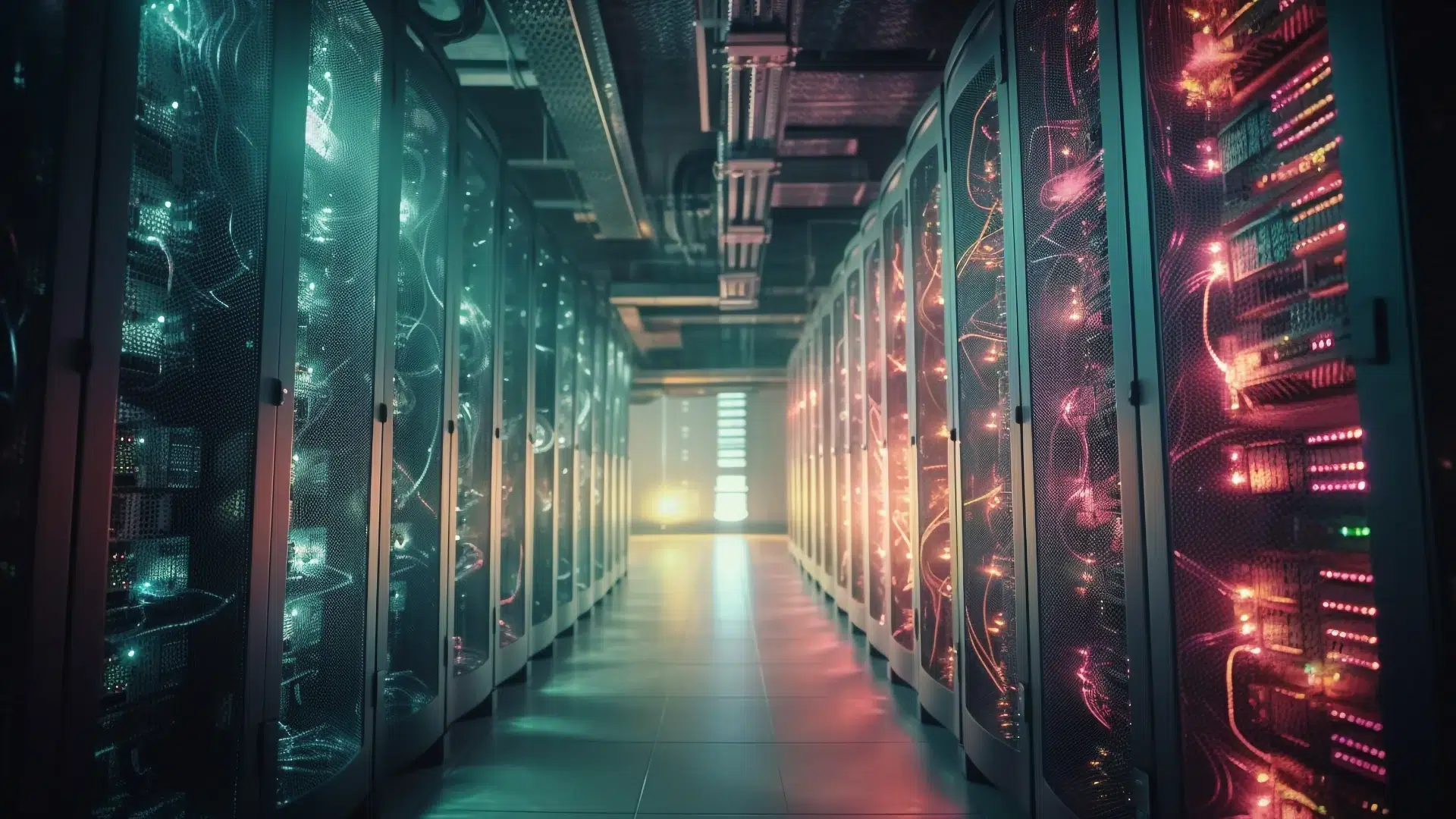
A key issue that rarely breaks through to the consciousness of the average business user is the physicality of AI. AI is not an ethereal entity in the cloud – it’s thousands of tonnes of silicon, steel and copper. It is hectares of data centres that consume as much energy as a medium-sized country.
We are currently facing a situation where the consumer electronics market has a large-scale problem. The colossal infrastructure required to power language and generative models needs to be prioritised. As a result, there is an unbridled battle for global control of these technologies and the resources required to maintain them. Technology giants are reserving capacity and energy for years ahead.
For the traditional IT ecosystem – from hosting providers to integrators to enterprise IT departments – this means risking being pushed to the margins. If the priority of factories and data centres becomes servicing hyperscale AI projects, infrastructure availability for the ‘rest of the world’ can become, and is slowly becoming, a luxury.
Memories: Silicon gold and looming shortages
The most tangible evidence that the market is losing its balance is the news coming from the computer memory sector (DRAM and NAND). This is where the greatest risk to the distribution channel is currently concentrated.
Training and operating AI models requires specific, expensive and difficult-to-manufacture High Bandwidth Memory (HBM). Manufacturers, seeing the gigantic margins and insatiable demand from AI accelerator developers, are shifting their production lines to this range. However, this is at the expense of standard DDR memory or NAND flash dice used in laptops, workstations and typical servers.
Market signals emerged last week that predict a worrying future. Due to a shortage of supply and rising manufacturing costs, the consumer and professional customer segment could face steep price increases and problems with commodity availability. The threat of a collapse of this segment is real – if the supply of memory is sucked up by AI servers, PC and consumer electronics manufacturers will have to either drastically increase prices or reduce production.
Dot-com 2.0 bubble or the foundation of a new era?
Observing this race, it is impossible to escape questions about its economic basis. The strategies of the biggest stock market players are now one-way: all resources are directed towards AI. Satisfying investors, who demand that companies put ‘more eggs in one basket’, has become the overriding objective, often obscuring common-sense diversification.
Analysts are increasingly bold in their thesis that we are inside a speculative bubble reminiscent of the famous ‘dot-com boom’ at the turn of the century. The stock market valuations of technology companies are rising in isolation from their traditional performance, driven only by the promise of future AI dominance. Some even argue that this bubble will sooner or later explode as ‘Punkt.com 2.0’. If the monetisation of AI does not come fast enough to cover the gigantic infrastructure costs (CAPEX), the correction could be painful for the entire industry – not just the leaders of the race.
For resellers, distributors and system integrators, the current situation is a wake-up call. The market to which we have become accustomed – relatively stable prices and high component availability – is entering a phase of turbulence.
The technology industry has put everything on the line. And while AI will undoubtedly change the world, the bill for this change – in the form of more expensive equipment and more difficult access to technology – will be paid by all of us before we even have time to feel the real benefits of this revolution.