Jak rosnące ceny serwerów wpływają na polskie wodociągi?

Globalny skok cen komponentów serwerowych, napędzany rynkowym popytem na sztuczną inteligencję, brutalnie weryfikuje budżety polskich projektów infrastrukturalnych. Przedsiębiorstwa wodno-kanalizacyjne muszą pilnie zrewidować swoje plany zakupowe, starając się utrzymać niezbędny poziom cyberbezpieczeństwa w obliczu topniejącej siły nabywczej przyznanych dotacji.

Program „Cyberbezpieczne Wodociągi” miał być cyfrową tarczą chroniącą polską infrastrukturę krytyczną. Skala potrzeb sektora okazała się gigantyczna – złożono blisko 900 wniosków na kwotę przekraczającą 730 milionów złotych, a ponad 550 podmiotów podpisało już umowy dotacyjne. Jednak w momencie przejścia do fazy realizacyjnej, beneficjenci zderzyli się z twardą rzeczywistością globalnego rynku technologicznego. Dynamicznie rosnące ceny komponentów sprzętowych zmuszają menedżerów do nagłej rewizji planów zakupowych.

Głównym źródłem presji kosztowej jest trwający boom na rozwiązania sztucznej inteligencji oraz masowa rozbudowa centrów danych. Według danych analitycznych TrendForce, w drugim kwartale 2026 roku ceny kontraktowe konwencjonalnych pamięci DRAM wzrosły o 58–63 procent w ujęciu kwartalnym, podczas gdy nośniki NAND Flash podrożały aż o 70–75 procent. Ogromny popyt ze strony rynku serwerowego skutecznie drenuje dostępność podzespołów dla innych zastosowań, co bezpośrednio uderza w lokalne projekty o znaczeniu strategicznym. Budżety skalkulowane zaledwie kilka miesięcy temu przestały odpowiadać obecnym realiom rynkowym.

Dla przedsiębiorstw wodno-kanalizacyjnych, które muszą zabezpieczyć zarówno klasyczne systemy biurowe (IT), jak i wrażliwą automatykę przemysłową (OT), oznacza to konieczność trudnych kompromisów. Eksperci rynkowi z firm Stormshield i DAGMA Bezpieczeństwo IT wskazują, że kluczem do wyjścia z impasu jest elastyczność i skupienie się na realnych funkcjach obronnych, a nie na konkretnych modelach sprzętu. Zamiast sztywnego trzymania się pierwotnych specyfikacji, beneficjenci powinni rozważyć optymalizację architektury, na przykład poprzez adaptację istniejącej infrastruktury do uruchomienia systemów zarządzania firewallami, klas SIEM czy SOAR. Każda taka zmiana wymaga jednak formalnych uzgodnień z NASK, co w obliczu narastających cyberzagrożeń niesie ryzyko kosztownych opóźnień.

Bieżący kryzys rynkowy obnaża również głębszy problem strukturalny: budżety na cyberbezpieczeństwo w mniejszych samorządach pozostają rażąco niewystarczające, czyniąc z nich najsłabsze ogniwo krajowego systemu odporności. Nadchodzące miesiące będą dla sektora publicznego testem dojrzałości. Ostateczny sukces wdrożeń nie będzie zależał od zakupu określonej liczby urządzeń, lecz od skutecznej segmentacji sieci i ochrony procesów fizycznych, od których zależy ciągłość dostaw wody dla mieszkańców.
China looks for signs of optimism in its housing market (Kopiuj)

Czas czytania: 1 min

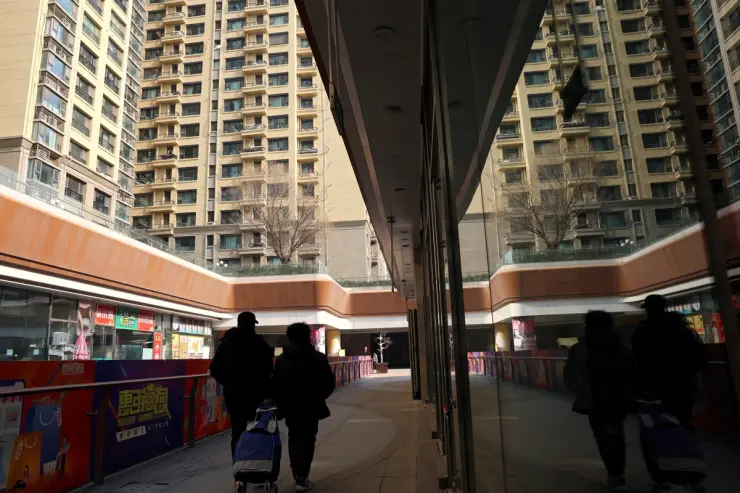
Economists debated whether there’s light at the end of the tunnel for China’s multiyear property slump.

Home prices in the country’s largest cities have ticked up this year, and sellers’ “panic listings” have fallen.

Some analysts “see a turning point” in the crisis and predict home prices will start recovering later this year, The New York Times wrote.

Others argue the uptick in prices is just a lull before another downturn. China’s economy still faces steep challenges.

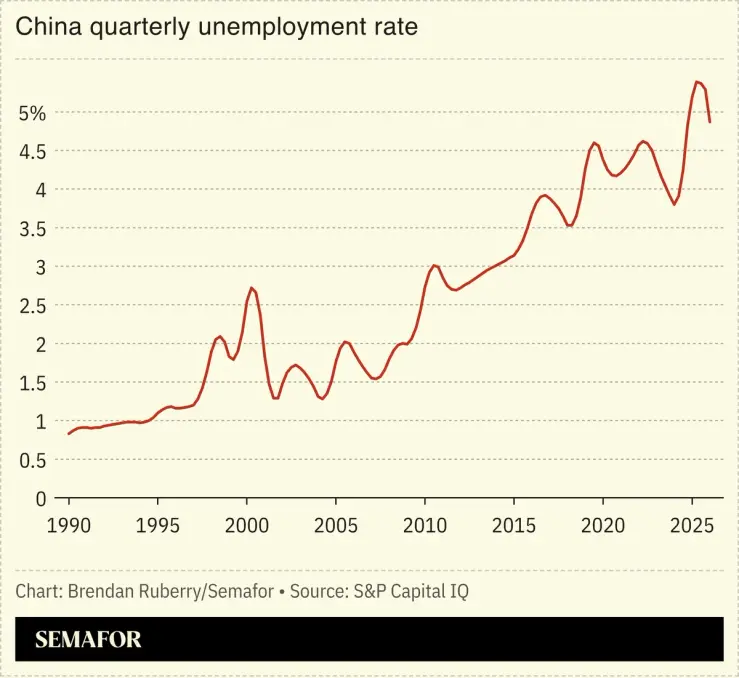
Core unemployment is hovering near record highs, according to data released this week. Growth in investment, industrial production, and retail sales all slowed in April. And corporate earnings are lagging behind stock market valuations.

fdfdfd

China looks for signs of optimism in its housing market (Kopiuj)

Czas czytania: 1 min

Economists debated whether there’s light at the end of the tunnel for China’s multiyear property slump.

Home prices in the country’s largest cities have ticked up this year, and sellers’ “panic listings” have fallen.

Some analysts “see a turning point” in the crisis and predict home prices will start recovering later this year, The New York Times wrote.

Others argue the uptick in prices is just a lull before another downturn. China’s economy still faces steep challenges.

Core unemployment is hovering near record highs, according to data released this week. Growth in investment, industrial production, and retail sales all slowed in April. And corporate earnings are lagging behind stock market valuations.

fdfdfd

China looks for signs of optimism in its housing market (Kopiuj)

Czas czytania: 1 min

Economists debated whether there’s light at the end of the tunnel for China’s multiyear property slump.

Home prices in the country’s largest cities have ticked up this year, and sellers’ “panic listings” have fallen.

Some analysts “see a turning point” in the crisis and predict home prices will start recovering later this year, The New York Times wrote.

Others argue the uptick in prices is just a lull before another downturn. China’s economy still faces steep challenges.

Core unemployment is hovering near record highs, according to data released this week. Growth in investment, industrial production, and retail sales all slowed in April. And corporate earnings are lagging behind stock market valuations.

fdfdfd

China looks for signs of optimism in its housing market

Czas czytania: 1 min

Economists debated whether there’s light at the end of the tunnel for China’s multiyear property slump.

Home prices in the country’s largest cities have ticked up this year, and sellers’ “panic listings” have fallen.

Some analysts “see a turning point” in the crisis and predict home prices will start recovering later this year, The New York Times wrote.

Others argue the uptick in prices is just a lull before another downturn. China’s economy still faces steep challenges.

Core unemployment is hovering near record highs, according to data released this week. Growth in investment, industrial production, and retail sales all slowed in April. And corporate earnings are lagging behind stock market valuations.

fdfdfd