Jeff Bezos: AI stworzy niedobór pracowników, nie bezrobocie

Debata o wpływie sztucznej inteligencji na rynek pracy nabiera tempa. Podczas konferencji VivaTech w Paryżu Jeff Bezos przedstawił jednak stanowisko wyraźnie odmienne od dominujących obaw. Założyciel Amazona przekonuje, że AI nie doprowadzi do masowego bezrobocia, lecz w dłuższej perspektywie może wywołać niedobór pracowników.

Bezos argumentuje, że ludzie mają niemal nieograniczoną liczbę pomysłów i potrzeb, a największym ograniczeniem pozostają możliwości ich realizacji. Według niego sztuczna inteligencja obniży bariery związane z tworzeniem produktów, usług i nowych firm, dzięki czemu więcej projektów będzie mogło przejść od koncepcji do wdrożenia. W efekcie gospodarka może potrzebować większej liczby osób zdolnych do realizacji tych przedsięwzięć.

Wypowiedzi Bezosa pojawiają się jednak w momencie, gdy wiele firm wykorzystuje AI do zwiększania efektywności i ograniczania zatrudnienia. Według danych firmy Challenger, Gray & Christmas aż 40 proc. zwolnień ogłoszonych w USA w maju było powiązanych z wdrażaniem sztucznej inteligencji. Jednocześnie badania Reuters/Ipsos pokazują, że około połowa Amerykanów obawia się utraty pracy lub dochodów w związku z rozwojem tej technologii.

Paradoks polega na tym, że sam Amazon w ostatnich latach redukował tysiące stanowisk korporacyjnych, a prezes firmy Andy Jassy otwarcie przyznawał, że automatyzacja oparta na AI będzie ograniczać zapotrzebowanie na część pracowników administracyjnych. To pokazuje, że krótkoterminowe skutki wdrażania sztucznej inteligencji mogą znacząco różnić się od długofalowej wizji prezentowanej przez Bezosa.

W centrum jego zainteresowań znajduje się dziś także Prometheus – startup rozwijający koncepcję „sztucznego inżyniera”, który ma wspierać projektowanie i produkcję fizycznych produktów. Bezos uważa, że takie narzędzia mogą zwiększyć produktywność inżynierów i przyspieszyć rozwój przemysłu.

Optymistyczna prognoza Bezosa wpisuje się w szerszą narrację części liderów technologicznych, którzy postrzegają AI jako katalizator wzrostu gospodarczego. Problem w tym, że obecne dane z rynku pracy dostarczają argumentów zarówno zwolennikom tej tezy, jak i jej krytykom. Na razie pewne jest jedno: wpływ sztucznej inteligencji na zatrudnienie pozostaje jednym z najważniejszych pytań stojących przed globalną gospodarką.

China looks for signs of optimism in its housing market (Kopiuj)

Czas czytania: 1 min

Economists debated whether there’s light at the end of the tunnel for China’s multiyear property slump.

Home prices in the country’s largest cities have ticked up this year, and sellers’ “panic listings” have fallen.

Some analysts “see a turning point” in the crisis and predict home prices will start recovering later this year, The New York Times wrote.

Others argue the uptick in prices is just a lull before another downturn. China’s economy still faces steep challenges.

Core unemployment is hovering near record highs, according to data released this week. Growth in investment, industrial production, and retail sales all slowed in April. And corporate earnings are lagging behind stock market valuations.

fdfdfd

China looks for signs of optimism in its housing market (Kopiuj)

Czas czytania: 1 min

Economists debated whether there’s light at the end of the tunnel for China’s multiyear property slump.

Home prices in the country’s largest cities have ticked up this year, and sellers’ “panic listings” have fallen.

Some analysts “see a turning point” in the crisis and predict home prices will start recovering later this year, The New York Times wrote.

Others argue the uptick in prices is just a lull before another downturn. China’s economy still faces steep challenges.

Core unemployment is hovering near record highs, according to data released this week. Growth in investment, industrial production, and retail sales all slowed in April. And corporate earnings are lagging behind stock market valuations.

fdfdfd

China looks for signs of optimism in its housing market (Kopiuj)

Czas czytania: 1 min

Economists debated whether there’s light at the end of the tunnel for China’s multiyear property slump.

Home prices in the country’s largest cities have ticked up this year, and sellers’ “panic listings” have fallen.

Some analysts “see a turning point” in the crisis and predict home prices will start recovering later this year, The New York Times wrote.

Others argue the uptick in prices is just a lull before another downturn. China’s economy still faces steep challenges.

Core unemployment is hovering near record highs, according to data released this week. Growth in investment, industrial production, and retail sales all slowed in April. And corporate earnings are lagging behind stock market valuations.

fdfdfd

China looks for signs of optimism in its housing market

Czas czytania: 1 min

Economists debated whether there’s light at the end of the tunnel for China’s multiyear property slump.

Home prices in the country’s largest cities have ticked up this year, and sellers’ “panic listings” have fallen.

Some analysts “see a turning point” in the crisis and predict home prices will start recovering later this year, The New York Times wrote.

Others argue the uptick in prices is just a lull before another downturn. China’s economy still faces steep challenges.

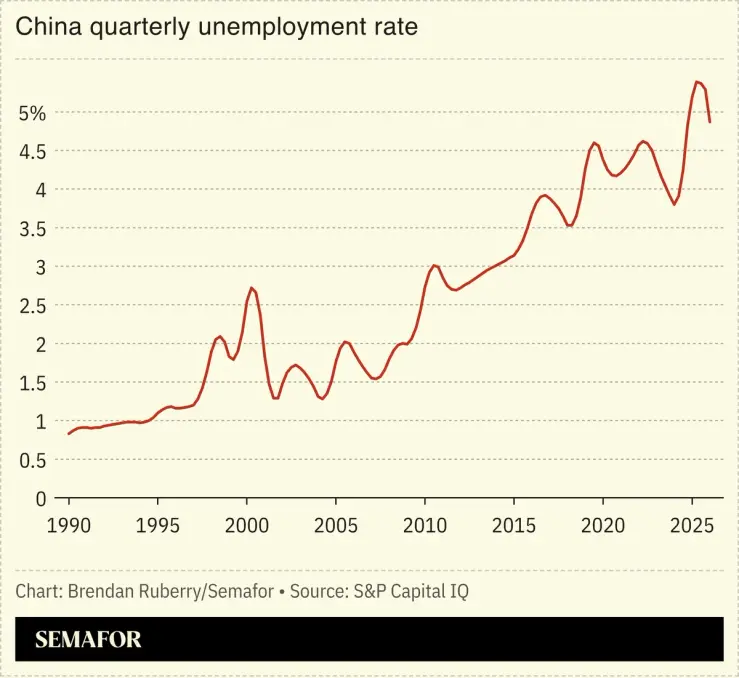
Core unemployment is hovering near record highs, according to data released this week. Growth in investment, industrial production, and retail sales all slowed in April. And corporate earnings are lagging behind stock market valuations.

fdfdfd