Zabezpieczanie przyszłości – dlaczego biometria jest kluczem do ochrony naszych danych

dane, biometria, cyberbezpieczeństwo

W swej istocie biometria odnosi się do unikalnych cech fizycznych i behawioralnych, które wyróżniają każdą osobę. Cechy te obejmują odciski palców, rysy twarzy, wzór tęczówki – uważane za najdokładniejsze dane biometryczne, układ żył, a nawet sposób, w jaki dana osoba chodzi, pisze na klawiaturze lub przewija na ekranie dotykowym. Systemy biometryczne wychwytują i analizują te charakterystyczne cechy, przekształcając je w reprezentacje matematyczne, które można porównać z wcześniej zapisanym szablonem w celach identyfikacji lub weryfikacji.

Wyższość biometrii polega na jej niezrównanej dokładności i wygodzie. W przeciwieństwie do tradycyjnych metod, takich jak hasła czy PIN-y, które można łatwo zapomnieć lub ukraść, identyfikatory biometryczne są nierozerwalnie związane z człowiekiem. To nieodłączne powiązanie między osobami i ich cechami biometrycznymi znacznie utrudnia nieupoważnionym osobom podszywanie się pod inną osobę.

Biometria jest powszechnie wykorzystywana w smartfonach, laptopach, w płatnościach czy identyfikacji osób na lotniskach i halach produkcyjnych, a także w transporcie publicznym. Jest z nami na każdym kroku. Według danych WebinarCare rynek biometrii w najbliższych latach będzie dynamicznie się rozwijał. Analitycy prognozują, że do 2027 roku osiągnie wartość blisko 55,5 miliardów dolarów. Co warto zauważyć jest ona akceptowalna przez użytkowników. Z badań Reservations.com wynika, że ponad 75% Amerykanów korzystało z technologii biometrycznej, która obejmuje wszystko, od skanowania odcisków palców, identyfikację twarzy, dynamikę podpisu i geometrię dłoni. Co ciekawe, ponad 42% z nich aprobuje stosowanie technologii rozpoznawania twarzy na lotniskach w celu poprawy bezpieczeństwa.

– Biometria to szansa na 100% gwarancję ochrony naszych danych. Jak wynika z badania Juniper Research, uwierzytelnianie biometryczne będzie w stanie zabezpieczyć transakcje płatnicze o wartości do 2,5 biliona dolarów, a ponad 60% transakcji płatniczych wykorzystujących uwierzytelnianie biometryczne będzie realizowanych zdalnie. Co ważne biometria jest i będzie powszechnie stosowana niemalże w każdej dziedzinie codziennego życia. Około 72% operatorów hoteli spodziewa się wdrożenia technologii rozpoznawania twarzy do 2025 r., która będzie wykorzystywana jako środek interakcji i identyfikacji użytkownika. komentuje Dr Mateusz Trokielewicz, ekspert biometrii, Członek Stowarzyszenia Global Biometrics Council

Biometria odgrywa coraz większą rolę w naszym życiu codziennym. Dzięki wykorzystaniu ogólnodostępnych danych, jesteśmy w stanie poprawić bezpieczeństwo, wygodę i efektywność wielu aspektów naszego życia. Jednak wraz z tymi korzyściami pojawiają się także wyzwania związane z ochroną prywatności i bezpieczeństwem danych. Dlatego ważne jest, aby rozwijając technologie biometryczne, równocześnie dbać o zachowanie równowagi między innowacją a ochroną naszych danych osobowych.

China looks for signs of optimism in its housing market (Kopiuj)

Czas czytania: 1 min

Economists debated whether there’s light at the end of the tunnel for China’s multiyear property slump.

Home prices in the country’s largest cities have ticked up this year, and sellers’ “panic listings” have fallen.

Some analysts “see a turning point” in the crisis and predict home prices will start recovering later this year, The New York Times wrote.

Others argue the uptick in prices is just a lull before another downturn. China’s economy still faces steep challenges.

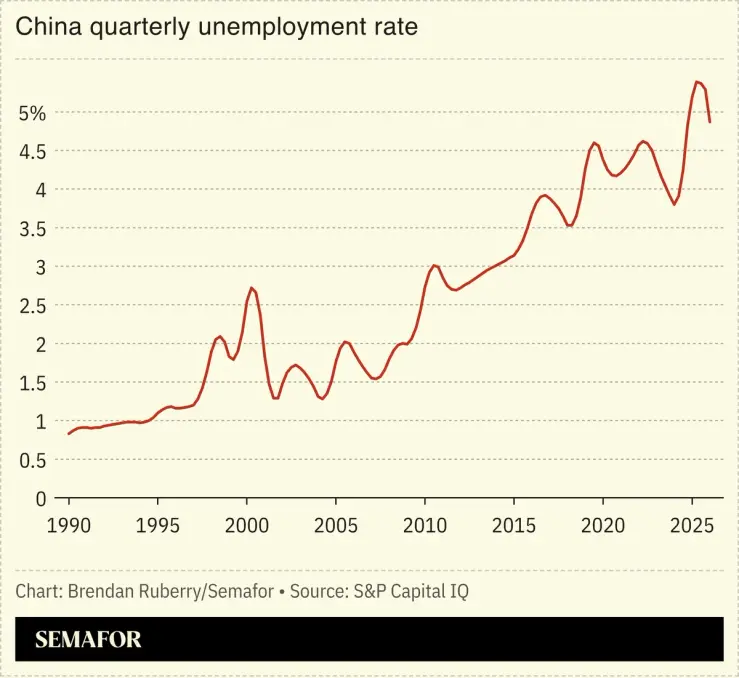
Core unemployment is hovering near record highs, according to data released this week. Growth in investment, industrial production, and retail sales all slowed in April. And corporate earnings are lagging behind stock market valuations.

fdfdfd

China looks for signs of optimism in its housing market (Kopiuj)

Czas czytania: 1 min

Economists debated whether there’s light at the end of the tunnel for China’s multiyear property slump.

Home prices in the country’s largest cities have ticked up this year, and sellers’ “panic listings” have fallen.

Some analysts “see a turning point” in the crisis and predict home prices will start recovering later this year, The New York Times wrote.

Others argue the uptick in prices is just a lull before another downturn. China’s economy still faces steep challenges.

Core unemployment is hovering near record highs, according to data released this week. Growth in investment, industrial production, and retail sales all slowed in April. And corporate earnings are lagging behind stock market valuations.

fdfdfd

China looks for signs of optimism in its housing market (Kopiuj)

Czas czytania: 1 min

Economists debated whether there’s light at the end of the tunnel for China’s multiyear property slump.

Home prices in the country’s largest cities have ticked up this year, and sellers’ “panic listings” have fallen.

Some analysts “see a turning point” in the crisis and predict home prices will start recovering later this year, The New York Times wrote.

Others argue the uptick in prices is just a lull before another downturn. China’s economy still faces steep challenges.

Core unemployment is hovering near record highs, according to data released this week. Growth in investment, industrial production, and retail sales all slowed in April. And corporate earnings are lagging behind stock market valuations.

fdfdfd

China looks for signs of optimism in its housing market

Czas czytania: 1 min

Economists debated whether there’s light at the end of the tunnel for China’s multiyear property slump.

Home prices in the country’s largest cities have ticked up this year, and sellers’ “panic listings” have fallen.

Some analysts “see a turning point” in the crisis and predict home prices will start recovering later this year, The New York Times wrote.

Others argue the uptick in prices is just a lull before another downturn. China’s economy still faces steep challenges.

Core unemployment is hovering near record highs, according to data released this week. Growth in investment, industrial production, and retail sales all slowed in April. And corporate earnings are lagging behind stock market valuations.

fdfdfd