Twitch kończy działalność w Korei Południowej – wysokie koszty czy wewnętrzne problemy?

Twitch
W obliczu rosnących kosztów operacyjnych i intensyfikującej się konkurencji, Twitch, renomowana platforma streamingowa, ogłasza swoje wycofanie z rynku Korei Południowej. Ta decyzja sygnalizuje nie tylko lokalne wyzwania biznesowe, ale również rzuca światło na złożone dynamiki globalnego rynku usług cyfrowych.

Popularny serwis streamingowy Twitch ogłosił plany zamknięcia swojej działalności w Korei Południowej, decyzja ta wywołała szereg pytań dotyczących przyczyn tego ruchu oraz jego potencjalnych konsekwencji dla rynku streamingowego w tym kraju i poza nim.

Twitch odchodzi z Korei Południowej – dlaczego?

Według Dana Clancy’ego, CEO Twitcha, główną przyczyną zamknięcia są koszty sieciowe, które są dziesięć razy wyższe w Korei Południowej niż na innych rynkach. To oświadczenie rzuca światło na koszty operacyjne globalnych firm internetowych w Korei, które zdają się być znacznie wyższe niż w innych regionach.

W odpowiedzi na rosnące koszty, Twitch już w 2022 roku obniżył jakość swoich usług wideo w Korei Południowej z 1080p do 720p. To działanie, choć miało na celu obniżenie kosztów, mogło również obniżyć atrakcyjność platformy dla użytkowników.

Konkurencja nie śpi

Twitch stoi w obliczu intensywnej konkurencji na koreańskim rynku. Platformy takie jak YouTube czy lokalne serwisy streamingowe, na przykład Afreeca TV, mogły skorzystać na problemach Twitcha, przejmując część jego użytkowników.

Decyzja o zamknięciu operacji w Korei Południowej może być również odzwierciedleniem szerszych problemów wewnętrznych Twitcha. Firma ogłosiła zwolnienie 400 pracowników w marcu, co wskazuje na trudności w osiągnięciu zrównoważonego wzrostu.

Nie taka prosta sieć

Problem Twitcha nie jest odosobniony. Podobne konflikty pomiędzy globalnymi dostawcami treści a lokalnymi operatorami internetowymi mają miejsce również w Europie. To podkreśla globalną debatę na temat sprawiedliwego rozdziału kosztów utrzymania infrastruktury internetowej.

Brak możliwości zweryfikowania roszczeń Twitcha przez lokalne firmy telekomunikacyjne dodaje tajemniczości tej sytuacji. Istnieje potrzeba przejrzystości w negocjacjach pomiędzy dużymi firmami internetowymi a operatorami sieci.

Sytuacja Twitcha może być ostrzeżeniem dla innych międzynarodowych firm internetowych działających w Korei. Jednocześnie, lokalne serwisy, które potrafią skuteczniej zarządzać kosztami operacyjnymi, mogą zyskać przewagę konkurencyjną.

Decyzja Twitcha o wycofaniu się z Korei Południowej jest skomplikowana i wielowymiarowa. Podczas gdy wysokie koszty sieciowe są głównym powodem podanym przez firmę, nie można ignorować potencjalnych wewnętrznych problemów Twitcha oraz dynamicznie zmieniającego się rynku streamingowego w Korei. To wydarzenie rzuca światło na ważne kwestie dotyczące globalnego rynku internetowego, konkurencji i kosztów infrastruktury cyfrowej.

China looks for signs of optimism in its housing market (Kopiuj)

Czas czytania: 1 min

Economists debated whether there’s light at the end of the tunnel for China’s multiyear property slump.

Home prices in the country’s largest cities have ticked up this year, and sellers’ “panic listings” have fallen.

Some analysts “see a turning point” in the crisis and predict home prices will start recovering later this year, The New York Times wrote.

Others argue the uptick in prices is just a lull before another downturn. China’s economy still faces steep challenges.

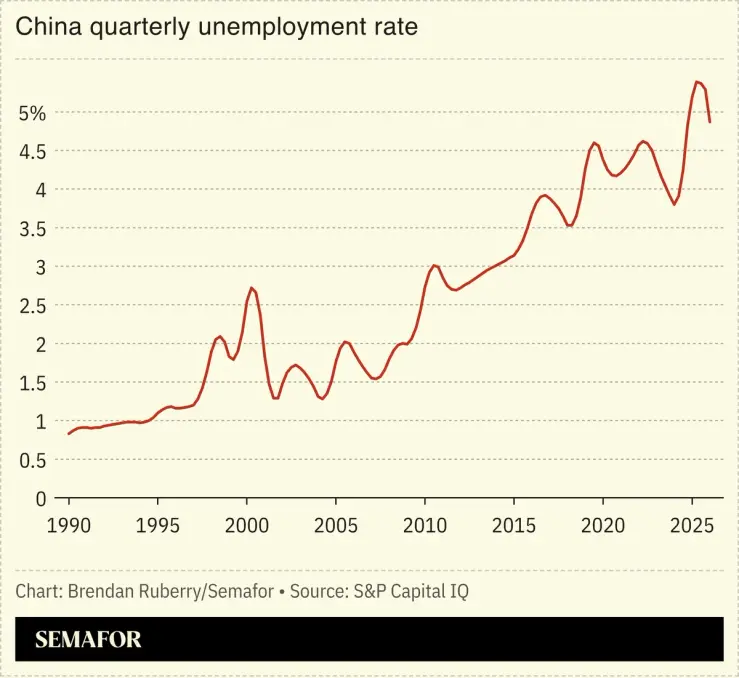
Core unemployment is hovering near record highs, according to data released this week. Growth in investment, industrial production, and retail sales all slowed in April. And corporate earnings are lagging behind stock market valuations.

fdfdfd

China looks for signs of optimism in its housing market (Kopiuj)

Czas czytania: 1 min

Economists debated whether there’s light at the end of the tunnel for China’s multiyear property slump.

Home prices in the country’s largest cities have ticked up this year, and sellers’ “panic listings” have fallen.

Some analysts “see a turning point” in the crisis and predict home prices will start recovering later this year, The New York Times wrote.

Others argue the uptick in prices is just a lull before another downturn. China’s economy still faces steep challenges.

Core unemployment is hovering near record highs, according to data released this week. Growth in investment, industrial production, and retail sales all slowed in April. And corporate earnings are lagging behind stock market valuations.

fdfdfd

China looks for signs of optimism in its housing market (Kopiuj)

Czas czytania: 1 min

Economists debated whether there’s light at the end of the tunnel for China’s multiyear property slump.

Home prices in the country’s largest cities have ticked up this year, and sellers’ “panic listings” have fallen.

Some analysts “see a turning point” in the crisis and predict home prices will start recovering later this year, The New York Times wrote.

Others argue the uptick in prices is just a lull before another downturn. China’s economy still faces steep challenges.

Core unemployment is hovering near record highs, according to data released this week. Growth in investment, industrial production, and retail sales all slowed in April. And corporate earnings are lagging behind stock market valuations.

fdfdfd

China looks for signs of optimism in its housing market

Czas czytania: 1 min

Economists debated whether there’s light at the end of the tunnel for China’s multiyear property slump.

Home prices in the country’s largest cities have ticked up this year, and sellers’ “panic listings” have fallen.

Some analysts “see a turning point” in the crisis and predict home prices will start recovering later this year, The New York Times wrote.

Others argue the uptick in prices is just a lull before another downturn. China’s economy still faces steep challenges.

Core unemployment is hovering near record highs, according to data released this week. Growth in investment, industrial production, and retail sales all slowed in April. And corporate earnings are lagging behind stock market valuations.

fdfdfd