Telekomunikacja a AI – dlaczego sieci opóźniają zmiany

telco
Odporność współczesnych sieci telekomunikacyjnych przestała zależeć wyłącznie od fizycznej infrastruktury, stając się wyzwaniem z zakresu zaawansowanej analityki i sztucznej inteligencji. Choć operatorzy wiodą prym w rygorystycznym zarządzaniu swoimi danymi, to ograniczenia wydajnościowe ich obecnych systemów wciąż blokują branży drogę do pełnej automatyzacji operacji.

Sektor telekomunikacyjny stoi przed fundamentalną zmianą definicji niezawodności. Tradycyjne rozumienie odporności sieci, utożsamiane dotychczas wyłącznie z fizyczną dostępnością infrastruktury, ustępuje miejsca zdolności do dynamicznego zarządzania rozproszonymi środowiskami w czasie rzeczywistym za pomocą sztucznej inteligencji. Choć operatorzy posiadają unikalny atut w postaci wysokiej dojrzałości analitycznej, ich droga do pełnej autonomizacji operacji napotyka poważne bariery strukturalne.

Jak wynika z indeksu gotowości danych Cloudera, branża telekomunikacyjna należy do ścisłych liderów zarządzania informacją. Ponad połowa operatorów deklaruje pełną widoczność swoich zasobów danych, a co trzecia firma posiada już w pełni zintegrowane i zarządzane środowiska analityczne. Ta technologiczna przewaga nie przekłada się jednak automatycznie na sukces wdrożeniowy algorytmów sztucznej inteligencji. Aż 60% firm telekomunikacyjnych przyznaje, że to niewystarczająca wydajność obecnej infrastruktury pozostaje główną przeszkodą w realizacji zaawansowanych inicjatyw operacyjnych opartych na AI.

Głównym problemem okazuje się przełożenie analitycznej teorii na praktykę produkcyjną. Analizy McKinsey potwierdzają ten impas. Choć blisko połowa menedżerów dostrzega już realny wpływ AI na biznes, aż 45% z nich wskazuje architekturę danych jako krytyczną barierę w skalowaniu tych rozwiązań. Przejście od statycznej analizy do środowisk, w których AI autonomicznie podejmuje decyzje w ułamku sekundy, wymaga stabilnych i transparentnych procesów. Starsze systemy nie są w stanie ich efektywnie obsłużyć.

Tymczasem presja czasu drastycznie rośnie. Według prognoz firmy Ericsson do 2030 roku globalny ruch mobilny osiągnie poziom 280 eksabajtów miesięcznie, a sieci 5G będą odpowiadać za blisko dwie trzecie wszystkich połączeń. Przy tej skali manualna orkiestracja ruchem staje się fizycznie niemożliwa. Nowa odporność sektora musi zatem opierać się na suwerennej kontroli nad wrażliwymi danymi, inteligentnej koordynacji rozproszonej architektury oraz bezpiecznym wdrażaniu modeli na dużą skalę.

Wyzwanie dla telekomów nie polega już na samym pozyskiwaniu informacji, lecz na budowie zaufania operacyjnego. Przyszłość rynku zdeterminuje to, czy sztuczna inteligencja stanie się przezroczystą warstwą optymalizującą usługi, czy jedynie kolejnym źródłem technologicznej złożoności.

China looks for signs of optimism in its housing market (Kopiuj)

Czas czytania: 1 min

Economists debated whether there’s light at the end of the tunnel for China’s multiyear property slump.

Home prices in the country’s largest cities have ticked up this year, and sellers’ “panic listings” have fallen.

Some analysts “see a turning point” in the crisis and predict home prices will start recovering later this year, The New York Times wrote.

Others argue the uptick in prices is just a lull before another downturn. China’s economy still faces steep challenges.

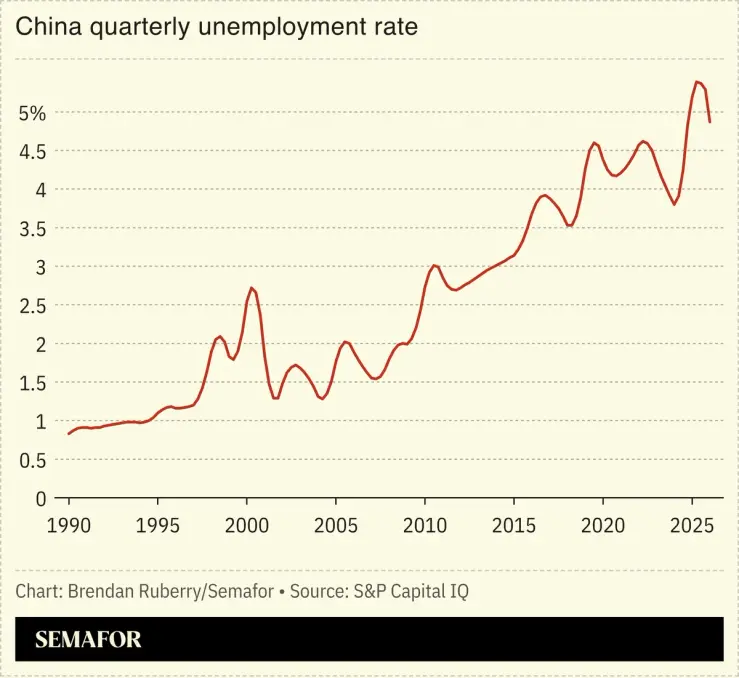
Core unemployment is hovering near record highs, according to data released this week. Growth in investment, industrial production, and retail sales all slowed in April. And corporate earnings are lagging behind stock market valuations.

fdfdfd

China looks for signs of optimism in its housing market (Kopiuj)

Czas czytania: 1 min

Economists debated whether there’s light at the end of the tunnel for China’s multiyear property slump.

Home prices in the country’s largest cities have ticked up this year, and sellers’ “panic listings” have fallen.

Some analysts “see a turning point” in the crisis and predict home prices will start recovering later this year, The New York Times wrote.

Others argue the uptick in prices is just a lull before another downturn. China’s economy still faces steep challenges.

Core unemployment is hovering near record highs, according to data released this week. Growth in investment, industrial production, and retail sales all slowed in April. And corporate earnings are lagging behind stock market valuations.

fdfdfd

China looks for signs of optimism in its housing market (Kopiuj)

Czas czytania: 1 min

Economists debated whether there’s light at the end of the tunnel for China’s multiyear property slump.

Home prices in the country’s largest cities have ticked up this year, and sellers’ “panic listings” have fallen.

Some analysts “see a turning point” in the crisis and predict home prices will start recovering later this year, The New York Times wrote.

Others argue the uptick in prices is just a lull before another downturn. China’s economy still faces steep challenges.

Core unemployment is hovering near record highs, according to data released this week. Growth in investment, industrial production, and retail sales all slowed in April. And corporate earnings are lagging behind stock market valuations.

fdfdfd

China looks for signs of optimism in its housing market

Czas czytania: 1 min

Economists debated whether there’s light at the end of the tunnel for China’s multiyear property slump.

Home prices in the country’s largest cities have ticked up this year, and sellers’ “panic listings” have fallen.

Some analysts “see a turning point” in the crisis and predict home prices will start recovering later this year, The New York Times wrote.

Others argue the uptick in prices is just a lull before another downturn. China’s economy still faces steep challenges.

Core unemployment is hovering near record highs, according to data released this week. Growth in investment, industrial production, and retail sales all slowed in April. And corporate earnings are lagging behind stock market valuations.

fdfdfd