Systemy legacy a sztuczna inteligencja: Jak przestarzałe IT blokuje rozwój AI w firmach

Rosnące inwestycje przedsiębiorstw w sztuczną inteligencję coraz częściej zderzają się z barierą w postaci przestarzałych systemów legacy, które skutecznie blokują skalowanie nowoczesnych rozwiązań. W odpowiedzi na tę lukę operacyjną firma GFT uruchomiła strategię AI Modernization, łączącą automatyzację z ekspertyzą inżynieryjną w celu przekształcenia archaicznej architektury IT w platformy gotowe na obsługę AI.

Współczesne przedsiębiorstwa inwestują miliardy w sztuczną inteligencję, jednak ich technologiczna przyszłość wciąż zależy od systemów z przeszłości. Przestarzałe architektury core, rozwijane przez dekady w oparciu o technologie takie jak COBOL czy dawne wersje języka Java, stają się dziś głównym hamulcem dla skalowania innowacji.

Rozproszone środowiska danych i brak elastyczności operacyjnej nie tylko drastycznie podnoszą koszty utrzymania, ale przede wszystkim ograniczają realny wpływ zaawansowanej analityki na biznes. Sama implementacja nowoczesnych modeli AI nie rozwiąże tego problemu, jeśli fundamenty operacyjne pozostaną archaiczne. Choć autonomiczni agenci potrafią już analizować stary kod, skuteczna modernizacja wymaga głębszego przebudowania architektury IT.

Dostrzegając tę rosnącą lukę między ambicjami zarządów a realiami technologicznymi, globalna firma GFT zaprezentowała strategię AI Modernization. Podejście to wykracza poza proste przepisywanie kodu. Wykorzystuje ono autorską, wieloagentową platformę sztucznej inteligencji Wynxx do automatycznego ekstrahowania logiki biznesowej ze starych struktur oraz do projektowania systemów w modelach cloud-native i event-driven.

Kluczem do sukcesu okazuje się połączenie automatyzacji napędzanej przez AI z ludzką walidacją inżynieryjną. Pozwala to na zachowanie krytycznej wiedzy biznesowej przy jednoczesnym eliminowaniu długu technologicznego. Według danych GFT, taka transformacja architektoniczna przynosi mierzalne zyski, pozwalając na redukcję kosztów operacyjnych od 25 do 60 procent oraz przyspieszenie wdrożeń nowych produktów na rynek o 25 do 30 procent.

GFT Marco Santos - Global CEO - zdjęcie 2

„Dług technologiczny w dużych organizacjach jest dziś jedną z głównych barier efektywności, time-to-market, zgodności regulacyjnej, a przede wszystkim adopcji AI” – powiedział Marco Santos, Global CEO GFT. „AI otwiera nowe możliwości przyspieszenia modernizacji systemów legacy, umożliwiając organizacjom bezpośrednie osadzanie inteligencji w procesach biznesowych.”

China looks for signs of optimism in its housing market (Kopiuj)

Czas czytania: 1 min

Economists debated whether there’s light at the end of the tunnel for China’s multiyear property slump.

Home prices in the country’s largest cities have ticked up this year, and sellers’ “panic listings” have fallen.

Some analysts “see a turning point” in the crisis and predict home prices will start recovering later this year, The New York Times wrote.

Others argue the uptick in prices is just a lull before another downturn. China’s economy still faces steep challenges.

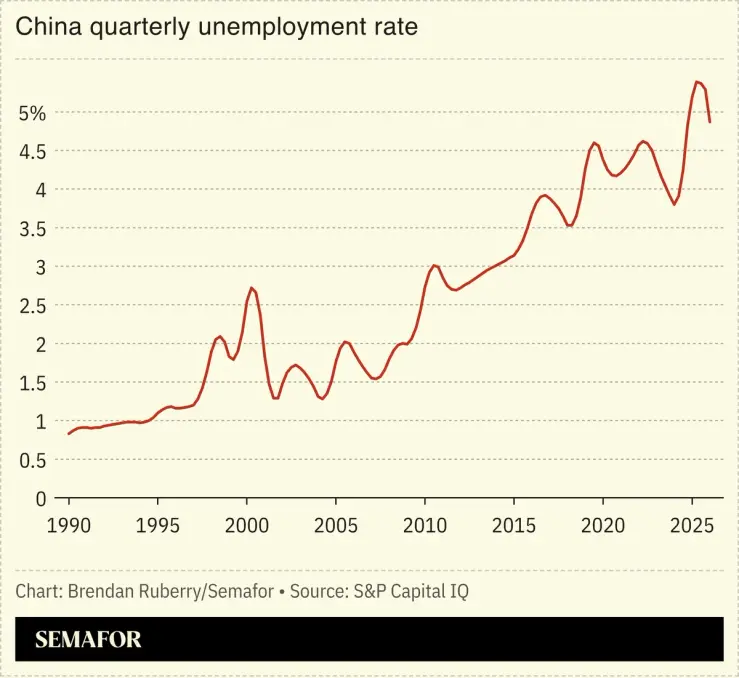
Core unemployment is hovering near record highs, according to data released this week. Growth in investment, industrial production, and retail sales all slowed in April. And corporate earnings are lagging behind stock market valuations.

fdfdfd

China looks for signs of optimism in its housing market (Kopiuj)

Czas czytania: 1 min

Economists debated whether there’s light at the end of the tunnel for China’s multiyear property slump.

Home prices in the country’s largest cities have ticked up this year, and sellers’ “panic listings” have fallen.

Some analysts “see a turning point” in the crisis and predict home prices will start recovering later this year, The New York Times wrote.

Others argue the uptick in prices is just a lull before another downturn. China’s economy still faces steep challenges.

Core unemployment is hovering near record highs, according to data released this week. Growth in investment, industrial production, and retail sales all slowed in April. And corporate earnings are lagging behind stock market valuations.

fdfdfd

China looks for signs of optimism in its housing market (Kopiuj)

Czas czytania: 1 min

Economists debated whether there’s light at the end of the tunnel for China’s multiyear property slump.

Home prices in the country’s largest cities have ticked up this year, and sellers’ “panic listings” have fallen.

Some analysts “see a turning point” in the crisis and predict home prices will start recovering later this year, The New York Times wrote.

Others argue the uptick in prices is just a lull before another downturn. China’s economy still faces steep challenges.

Core unemployment is hovering near record highs, according to data released this week. Growth in investment, industrial production, and retail sales all slowed in April. And corporate earnings are lagging behind stock market valuations.

fdfdfd

China looks for signs of optimism in its housing market

Czas czytania: 1 min

Economists debated whether there’s light at the end of the tunnel for China’s multiyear property slump.

Home prices in the country’s largest cities have ticked up this year, and sellers’ “panic listings” have fallen.

Some analysts “see a turning point” in the crisis and predict home prices will start recovering later this year, The New York Times wrote.

Others argue the uptick in prices is just a lull before another downturn. China’s economy still faces steep challenges.

Core unemployment is hovering near record highs, according to data released this week. Growth in investment, industrial production, and retail sales all slowed in April. And corporate earnings are lagging behind stock market valuations.

fdfdfd