Nowe kontrakty Nvidia w Azji – Od pamięci po robotykę

Jensen Huang, Nvidia
Ofensywa Nvidii w Korei Południowej udowadnia, że walka o dominację w erze sztucznej inteligencji rozstrzygnie się na poziomie zabezpieczenia fizycznej infrastruktury i łańcuchów dostaw. Seria strategicznych porozumień zawartych przez Jensena Huanga z tamtejszymi gigantami ma zagwarantować amerykańskiemu koncernowi stabilny dostęp do kluczowych technologii, od zaawansowanych układów pamięci po innowacyjne systemy zasilania centrów danych.

Wizyta dyrektora generalnego Nvidia, Jensena Huanga, w Korei Południowej miała wszelkie znamiona biznesowego triumfu — od nieformalnych spotkań z liderami tamtejszych konglomeratów, po ogłoszenie serii kluczowych porozumień. Dla rynku to jednoznaczny sygnał: amerykański gigant nie zamierza oddać pozycji lidera rewolucji AI, a kluczem do utrzymania tej dominacji jest ścisła kontrola nad azjatyckim zapleczem technologicznym.

Fundamentem koreańskiej strategii Nvidii stało się sformalizowanie wieloletniego partnerstwa z SK Hynix. Kontrakt, opiewający na miliardy dolarów rocznie, gwarantuje Nvidii stały dostęp do najbardziej zaawansowanych układów pamięci, niezbędnych do zasilania centrów danych i superkomputerów. Ta współpraca obrazuje głębszy trend rynkowy: kości pamięci przestają być zwykłym towarem masowym, a stają się wysoce spersonalizowanymi komponentami, projektowanymi pod konkretną architekturę klienta.

Ambicje Huanga sięgają jednak daleko poza same półprzewodniki. W Seulu zawarto sojusze, które de facto budują kompletny ekosystem infrastrukturalny. SK Telecom zadeklarował budowę gigawatowej chmury obliczeniowej nowej generacji do 2027 roku, natomiast gigant internetowy Naver oraz Doosan wykorzystają rozwiązania Nvidii we własnych obiektach. Kooperacja z Doosanem ma także kluczowy wymiar inżynieryjny — firma dostarczy zaawansowane systemy zasilania dla flagowych platform Blackwell.

Równolegle Nvidia intensywnie penetruje sektory robotyki i motoryzacji. Nowe partnerstwa z LG Group oraz Hyundai Motor Group mają zaimplementować fizyczną sztuczną inteligencję w robotach przemysłowych, modelach humanoidalnych oraz systemach autonomicznej jazdy. Symbolem tych dalekosiężnych planów ma być centrum danych Hyundaia w Saemangeum, okrzyknięte przez Huanga nową, azjatycką „Doliną AI”.

Ekspansji komercyjnej towarzyszą zdecydowane ruchy administracji rządowej. Południowokoreańskie ministerstwo technologii zapowiedziało zakup blisko dziesięciu tysięcy procesorów graficznych Nvidii na potrzeby projektów państwowych, jednocześnie otwarcie naciskając na priorytetową dostawę najnowszych jednostek Vera Rubin, których rynkowy debiut może napotkać opóźnienia.

Choć ogłoszenie kontraktów zbiegło się w czasie z gwałtownym tąpnięciem na azjatyckich giełdach, gdzie akcje technologicznych liderów — w tym Samsunga i SK Hynix — traciły po kilka procent, Huang studzi emocje. Dla szefa Nvidii krótkoterminowe wahania rynkowe to jedynie okazja do zakupów po niższej cenie. Długofalowa perspektywa pozostaje niezmienna: przyszłość sztucznej inteligencji zależy od fizycznej infrastruktury, a Nvidia właśnie zabetonowała swoje relacje z jej najważniejszymi producentami.
China looks for signs of optimism in its housing market (Kopiuj)

Czas czytania: 1 min

Economists debated whether there’s light at the end of the tunnel for China’s multiyear property slump.

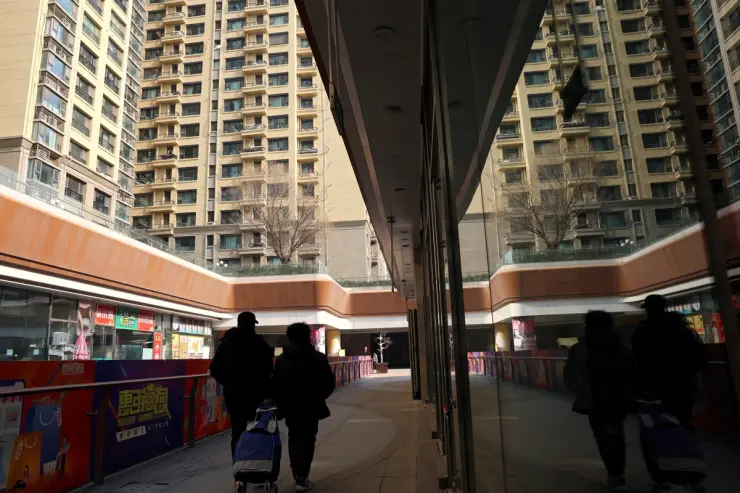
Home prices in the country’s largest cities have ticked up this year, and sellers’ “panic listings” have fallen.

Some analysts “see a turning point” in the crisis and predict home prices will start recovering later this year, The New York Times wrote.

Others argue the uptick in prices is just a lull before another downturn. China’s economy still faces steep challenges.

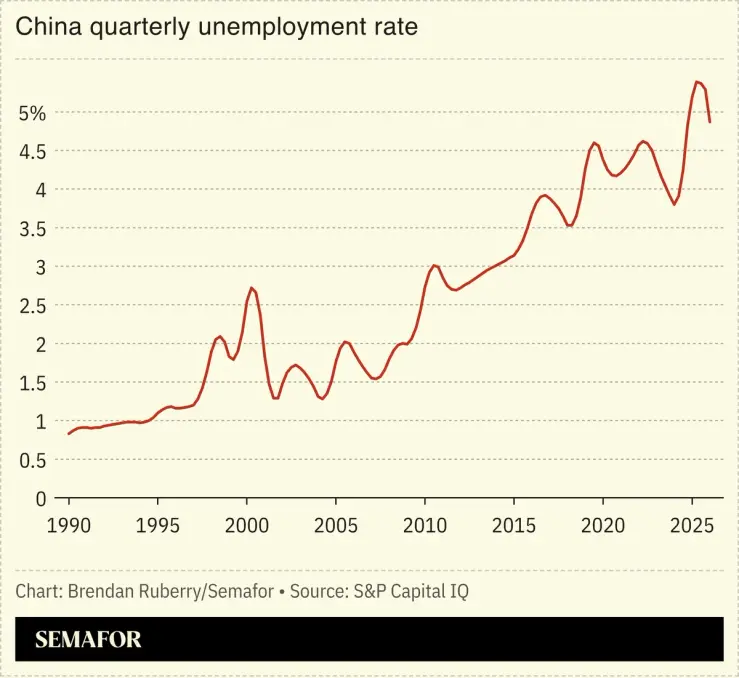
Core unemployment is hovering near record highs, according to data released this week. Growth in investment, industrial production, and retail sales all slowed in April. And corporate earnings are lagging behind stock market valuations.

fdfdfd

China looks for signs of optimism in its housing market (Kopiuj)

Czas czytania: 1 min

Economists debated whether there’s light at the end of the tunnel for China’s multiyear property slump.

Home prices in the country’s largest cities have ticked up this year, and sellers’ “panic listings” have fallen.

Some analysts “see a turning point” in the crisis and predict home prices will start recovering later this year, The New York Times wrote.

Others argue the uptick in prices is just a lull before another downturn. China’s economy still faces steep challenges.

Core unemployment is hovering near record highs, according to data released this week. Growth in investment, industrial production, and retail sales all slowed in April. And corporate earnings are lagging behind stock market valuations.

fdfdfd

China looks for signs of optimism in its housing market (Kopiuj)

Czas czytania: 1 min

Economists debated whether there’s light at the end of the tunnel for China’s multiyear property slump.

Home prices in the country’s largest cities have ticked up this year, and sellers’ “panic listings” have fallen.

Some analysts “see a turning point” in the crisis and predict home prices will start recovering later this year, The New York Times wrote.

Others argue the uptick in prices is just a lull before another downturn. China’s economy still faces steep challenges.

Core unemployment is hovering near record highs, according to data released this week. Growth in investment, industrial production, and retail sales all slowed in April. And corporate earnings are lagging behind stock market valuations.

fdfdfd

China looks for signs of optimism in its housing market

Czas czytania: 1 min

Economists debated whether there’s light at the end of the tunnel for China’s multiyear property slump.

Home prices in the country’s largest cities have ticked up this year, and sellers’ “panic listings” have fallen.

Some analysts “see a turning point” in the crisis and predict home prices will start recovering later this year, The New York Times wrote.

Others argue the uptick in prices is just a lull before another downturn. China’s economy still faces steep challenges.

Core unemployment is hovering near record highs, according to data released this week. Growth in investment, industrial production, and retail sales all slowed in April. And corporate earnings are lagging behind stock market valuations.

fdfdfd