Niedoszła fuzja AMD i Nvidia – decyzja, która Miałą wpływ na całą branżę technologiczną

Jensen Huang, Nvidia
Jensen Huang, CEO Nvidia / źródło: Nvidia

Wielu obserwatorów rynku IT zdziwiłoby się, gdyby dowiedzieli się, jak blisko były AMDNvidia fuzji dwadzieścia lat temu. Choć umowa ostatecznie nie doszła do skutku, ta niezrealizowana możliwość miała głęboki wpływ na kształtowanie się obu firm i ich strategii na przyszłość.

Historia sięga lat 2000, kiedy to AMD rozważało możliwość włączenia Nvidii do swojego portfolio. Wówczas AMD dostrzegło rosnący potencjał rynku GPU, który był wtedy w powijakach w porównaniu do dzisiejszej potęgi branży graficznej. Nvidia, choć jeszcze nieznanym szerzej graczem, już wtedy zwróciła uwagę AMD.

Negocjacje, które mogłyby zmienić oblicze rynku IT, nie doszły jednak do skutku głównie z powodu decyzji Jensena Huanga, założyciela i dyrektora generalnego Nvidii. Huang, wizjoner z jasną długoterminową strategią dla swojej firmy, nie był skłonny zrezygnować z innowacyjnej platformy CUDA na rzecz AMD, chyba że sam mógłby pozostać na czele połączonej organizacji.

Hector Ruiz, wówczas CEO AMD, był niechętny takiemu rozwiązaniu. Ostatecznie AMD wycofało się z planów fuzji, a zamiast tego, w 2006 roku, przejęło firmę ATI. To przejęcie dało początek serii produktów Radeon, które stanowią dzisiejsze rdzenie graficzne AMD. Ruiz przeszedł na stanowisko dyrektora generalnego AMD w 2008 roku, a od 2014 roku stery w firmie przejęła Lisa Su, zauważalnie silna postać w branży IT.

Dziś patrząc wstecz, nie można nie zastanowić się, jak bardzo mogła zmienić się sceneria technologiczna, gdyby doszło do połączenia AMD i Nvidia. Nvidia od tego czasu wyrosła na jedną z najcenniejszych firm na świecie, dominując rynek GPU i AI. AMD z kolei, choć nie osiągnęło takiego samego poziomu dominacji w grafice, z powodzeniem rozwija się w produkcji chipów, a ostatnio intensywnie inwestuje w technologie AI.

Decyzja sprzed dwóch dekad wpłynęła na obecną równowagę sił na rynku IT. Nvidia, dzięki swojej innowacyjności i strategii, stała się siłą napędową w dziedzinie sztucznej inteligencji, podczas gdy AMD kontynuuje swoją ewolucję jako ważny gracz w produkcji mikroprocesorów i grafiki.

Historia ta pokazuje, jak małe decyzje mogą mieć ogromne konsekwencje w długoterminowej strategii firm technologicznych. Choć fuzja AMD-Nvidia nigdy się nie zrealizowała, jej potencjalne skutki są wciąż widoczne w dzisiejszym krajobrazie technologicznym.

China looks for signs of optimism in its housing market (Kopiuj)

Czas czytania: 1 min

Economists debated whether there’s light at the end of the tunnel for China’s multiyear property slump.

Home prices in the country’s largest cities have ticked up this year, and sellers’ “panic listings” have fallen.

Some analysts “see a turning point” in the crisis and predict home prices will start recovering later this year, The New York Times wrote.

Others argue the uptick in prices is just a lull before another downturn. China’s economy still faces steep challenges.

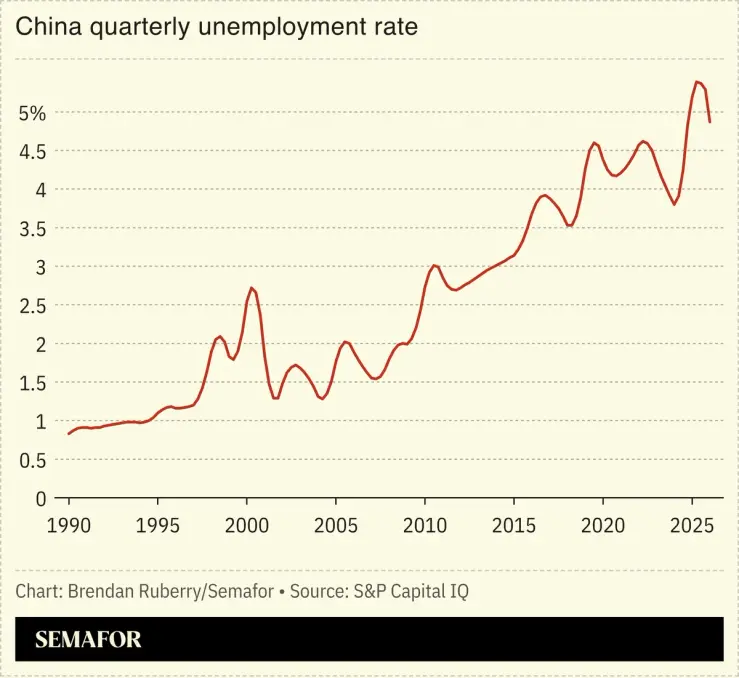
Core unemployment is hovering near record highs, according to data released this week. Growth in investment, industrial production, and retail sales all slowed in April. And corporate earnings are lagging behind stock market valuations.

fdfdfd

China looks for signs of optimism in its housing market (Kopiuj)

Czas czytania: 1 min

Economists debated whether there’s light at the end of the tunnel for China’s multiyear property slump.

Home prices in the country’s largest cities have ticked up this year, and sellers’ “panic listings” have fallen.

Some analysts “see a turning point” in the crisis and predict home prices will start recovering later this year, The New York Times wrote.

Others argue the uptick in prices is just a lull before another downturn. China’s economy still faces steep challenges.

Core unemployment is hovering near record highs, according to data released this week. Growth in investment, industrial production, and retail sales all slowed in April. And corporate earnings are lagging behind stock market valuations.

fdfdfd

China looks for signs of optimism in its housing market (Kopiuj)

Czas czytania: 1 min

Economists debated whether there’s light at the end of the tunnel for China’s multiyear property slump.

Home prices in the country’s largest cities have ticked up this year, and sellers’ “panic listings” have fallen.

Some analysts “see a turning point” in the crisis and predict home prices will start recovering later this year, The New York Times wrote.

Others argue the uptick in prices is just a lull before another downturn. China’s economy still faces steep challenges.

Core unemployment is hovering near record highs, according to data released this week. Growth in investment, industrial production, and retail sales all slowed in April. And corporate earnings are lagging behind stock market valuations.

fdfdfd

China looks for signs of optimism in its housing market

Czas czytania: 1 min

Economists debated whether there’s light at the end of the tunnel for China’s multiyear property slump.

Home prices in the country’s largest cities have ticked up this year, and sellers’ “panic listings” have fallen.

Some analysts “see a turning point” in the crisis and predict home prices will start recovering later this year, The New York Times wrote.

Others argue the uptick in prices is just a lull before another downturn. China’s economy still faces steep challenges.

Core unemployment is hovering near record highs, according to data released this week. Growth in investment, industrial production, and retail sales all slowed in April. And corporate earnings are lagging behind stock market valuations.

fdfdfd