Kolonia AI? Japonia zmienia prawo, by dogonić USA i Chiny

Strach przed technologiczną zależnością od USA i Chin zmusza Tokio do podjęcia radykalnych kroków prawnych w celu obrony cyfrowej suwerenności. Ostrzegając, że krajowi grozi status „kolonii AI”, japoński minister cyfryzacji Hisashi Matsumoto forsuje kontrowersyjną reformę prawa o ochronie danych, która ma dać lokalnym deweloperom bezprecedensowy dostęp do rejestrów medycznych i karnych.

Japonia staje przed strategicznym dylematem, który dotyka dziś rządy na całym świecie: jak dogonić liderów wyścigu sztucznej inteligencji, nie tracąc kontroli nad własną gospodarką. Japoński minister ds. cyfryzacji, Hisashi Matsumoto, ostrzegł, że krajowi grozi status „kolonii AI”, jeśli nie przyspieszy rozwoju rodzimych rozwiązań. Ta mocna retoryka towarzyszy właśnie głębokim zmianom prawnym w Tokio.

Dane medyczne i karne bez zgody obywateli

Osią debaty jest nowelizacja ustawy o ochronie danych osobowych. Projekt, który po przejściu przez izbę niższą trafił pod dyskusję w wyższej izbie parlamentu, ma pozwolić twórcom sztucznej inteligencji na trenowanie modeli przy użyciu wrażliwych informacji. Mowa tu m.in. o rejestrach medycznych i karnych, które deweloperzy mogliby przetwarzać bez konieczności uzyskiwania zgody obywateli.

Rząd argumentuje, że przy obecnym tempie ewolucji technologii Japonia nie może pozwolić sobie na legislacyjne przestoje. Choć partie opozycyjne zgłaszają poważne obawy związane z ryzykiem naruszenia prywatności i wyciekami danych, obóz rządzący uznaje radykalną liberalizację przepisów za warunek konieczny do zbudowania silnego, lokalnego sektora AI.

Dwutorowa strategia: Partnerstwo i własne zaplecze

Działania Tokio odzwierciedlają rynkowy pragmatyzm. Kraj z jednej strony zabiega o inwestycje i transfer wiedzy od amerykańskich liderów, takich jak Microsoft oraz OpenAI, łącząc współpracę technologiczną z sojuszem bezpieczeństwa z USA.

Z drugiej strony Japonia intensywnie buduje własną niezależność. Poprzez dotacje i celowane zamówienia rządowe wspiera krajowych czempionów – w tym SoftBank i Sakura Internet – oraz lokalnych producentów chipów. Cel jest jasny: rozszerzenie rodzimych modeli AI i radykalne zwiększenie własnej mocy obliczeniowej.

Globalny lęk przed dominacją

Japońskie dążenie do zachowania niezależności wpisuje się w szerszy, międzynarodowy trend. Rządy na całym świecie obawiają się, że technologiczne opóźnienie zepchnie je do roli petentów zależnych od zagranicznych dostawców, głównie z USA i Chin. Podobne motywacje stoją za ogłoszonym niedawno pakietem suwerenności technologicznej Unii Europejskiej, który ma wzmocnić unijny rynek chmurowy i produkcję półprzewodników.

China looks for signs of optimism in its housing market (Kopiuj)

Czas czytania: 1 min

Economists debated whether there’s light at the end of the tunnel for China’s multiyear property slump.

Home prices in the country’s largest cities have ticked up this year, and sellers’ “panic listings” have fallen.

Some analysts “see a turning point” in the crisis and predict home prices will start recovering later this year, The New York Times wrote.

Others argue the uptick in prices is just a lull before another downturn. China’s economy still faces steep challenges.

Core unemployment is hovering near record highs, according to data released this week. Growth in investment, industrial production, and retail sales all slowed in April. And corporate earnings are lagging behind stock market valuations.

fdfdfd

China looks for signs of optimism in its housing market (Kopiuj)

Czas czytania: 1 min

Economists debated whether there’s light at the end of the tunnel for China’s multiyear property slump.

Home prices in the country’s largest cities have ticked up this year, and sellers’ “panic listings” have fallen.

Some analysts “see a turning point” in the crisis and predict home prices will start recovering later this year, The New York Times wrote.

Others argue the uptick in prices is just a lull before another downturn. China’s economy still faces steep challenges.

Core unemployment is hovering near record highs, according to data released this week. Growth in investment, industrial production, and retail sales all slowed in April. And corporate earnings are lagging behind stock market valuations.

fdfdfd

China looks for signs of optimism in its housing market (Kopiuj)

Czas czytania: 1 min

Economists debated whether there’s light at the end of the tunnel for China’s multiyear property slump.

Home prices in the country’s largest cities have ticked up this year, and sellers’ “panic listings” have fallen.

Some analysts “see a turning point” in the crisis and predict home prices will start recovering later this year, The New York Times wrote.

Others argue the uptick in prices is just a lull before another downturn. China’s economy still faces steep challenges.

Core unemployment is hovering near record highs, according to data released this week. Growth in investment, industrial production, and retail sales all slowed in April. And corporate earnings are lagging behind stock market valuations.

fdfdfd

China looks for signs of optimism in its housing market

Czas czytania: 1 min

Economists debated whether there’s light at the end of the tunnel for China’s multiyear property slump.

Home prices in the country’s largest cities have ticked up this year, and sellers’ “panic listings” have fallen.

Some analysts “see a turning point” in the crisis and predict home prices will start recovering later this year, The New York Times wrote.

Others argue the uptick in prices is just a lull before another downturn. China’s economy still faces steep challenges.

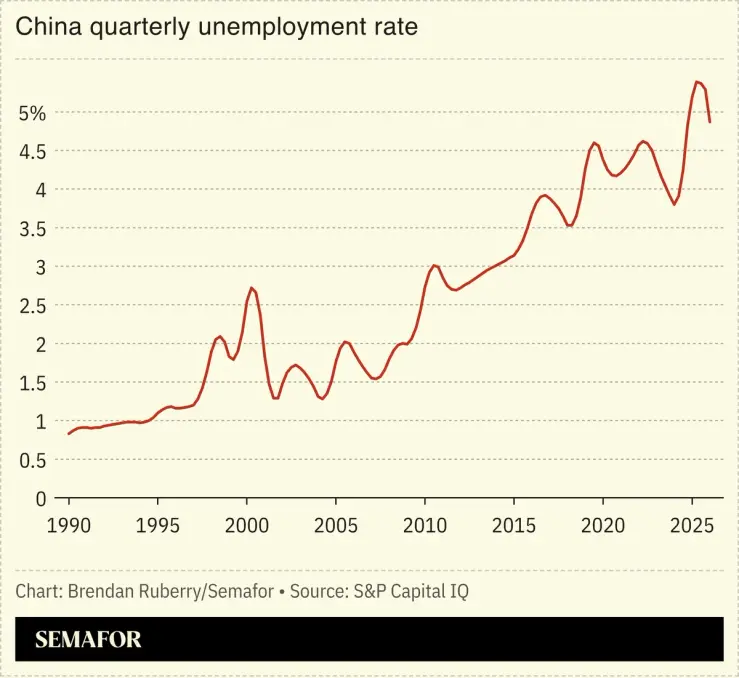
Core unemployment is hovering near record highs, according to data released this week. Growth in investment, industrial production, and retail sales all slowed in April. And corporate earnings are lagging behind stock market valuations.

fdfdfd