Jak działa ordynacja podatkowa?

podatki, biznes, ordynacja podatkowa
Ordynacja podatkowa to ustawa, którą uchwalono 29 sierpnia 1997 roku. Zawiera ona szczegółowe wytyczne w zakresie polskiego prawa podatkowego materialnego, postępowań podatkowych a także określa ona funkcjonujące w Polsce legalne organy podatkowe. W poniższym artykule przedstawiamy pakiet najważniejszych informacji na temat polskiej ordynacji podatkowej. Zapraszamy do lektury.

Co to jest ordynacja podatkowa?

Ordynacja podatkowa jest ustawą, którą uchwalono w 1997 roku. Jest ona określana jako polska konstytucja podatkowa. Jest to bardzo istotny dokument, w którym wyszczególnione są polskie organy podatkowe a także ich uprawnienia i obowiązki. We wskazanym dokumencie są też zapisy odnośnie norm postępowania skarbowego. Ordynacja podatkowa mówi też o tym, jak powinny przebiegać kontrole podatkowe, postępowania oraz kary wobec podatników, którzy działają w sposób niezgodny z przepisami, czyli najczęściej po prostu uchylają się od uiszczania podatków na rzecz państwa.

W ordynacji podatkowej znajdziemy także informacje na temat zasad prowadzenia kontroli podatkowych, zobowiązań podatkowych, postępowań podatkowych a także wytyczne odnośnie tego, czym wyróżnia się tajemnica skarbowa. Polska konstytucja podatkowa stanowi też źródło wiedzy odnośnie tego, w jaki sposób urząd skarbowy może wydawać interpretacje podatkowe na wniosek podatników w konkretnych sprawach. 

Czym są podatki?

W ordynacji podatkowej znajdziemy też najważniejszą definicję, a mianowicie słowa podatek. Czym on dokładnie jest? Termin ten oznacza powszechne, obowiązkowe świadczenie pieniężne, za którego pobieranie odpowiedzialne jest państwo bądź uprawnione jednostki samorządu terytorialnego. 

Podatki wyróżniają się tym, iż mają charakter nieodpłatny. Oznacza to, że pobrane przez państwo kwoty nie podlegają bezpośredniemu zwrotowi. Dzięki podatkom państwo zyskuje środki służące do realizacji wielu zadań publicznych, np. utrzymania dróg, torów kolejowych, szpitali, szkół itd. 

Kim są podatnicy?

Mianem podatników określa się wszystkie osoby fizyczne, prawne bądź jednostki organizacyjne nie posiadające osobowości prawne, co do których powstał obowiązek podatkowy. Zadaniem płatnika jest terminowe obliczenie oraz uiszczenie należnego podatku do właściwego organu, najczęściej urzędu skarbowego. 

Specjaliści wyróżniają też termin „zobowiązanie podatkowe”. Chodzi tutaj o to, że podatnik ma obowiązek zapłacić gminie, powiatowi, województwu lub skarbowi państwa podatku w konkretnej wysokości oraz we wskazanym terminie. 

Jakie są rodzaje podatków według ordynacji podatkowej?

Zgodnie z zapisami ordynacji podatkowej, istnieją dwie kategorie podatków. Mianowicie: podatki bezpośrednie i pośrednie. Te pierwsze wyróżniają się tym, iż są nakładane na dochód bądź majątek posiadany przez daną osobę. Do tego rodzaju podatków zalicza się m.in. podatek dochodowy, spadkowy oraz gruntowy. Z kolei najpopularniejsze podatki pośrednie to VAT i akcyza – płacimy je robiąc np. zakupy w sklepie. 

China looks for signs of optimism in its housing market (Kopiuj)

Czas czytania: 1 min

Economists debated whether there’s light at the end of the tunnel for China’s multiyear property slump.

Home prices in the country’s largest cities have ticked up this year, and sellers’ “panic listings” have fallen.

Some analysts “see a turning point” in the crisis and predict home prices will start recovering later this year, The New York Times wrote.

Others argue the uptick in prices is just a lull before another downturn. China’s economy still faces steep challenges.

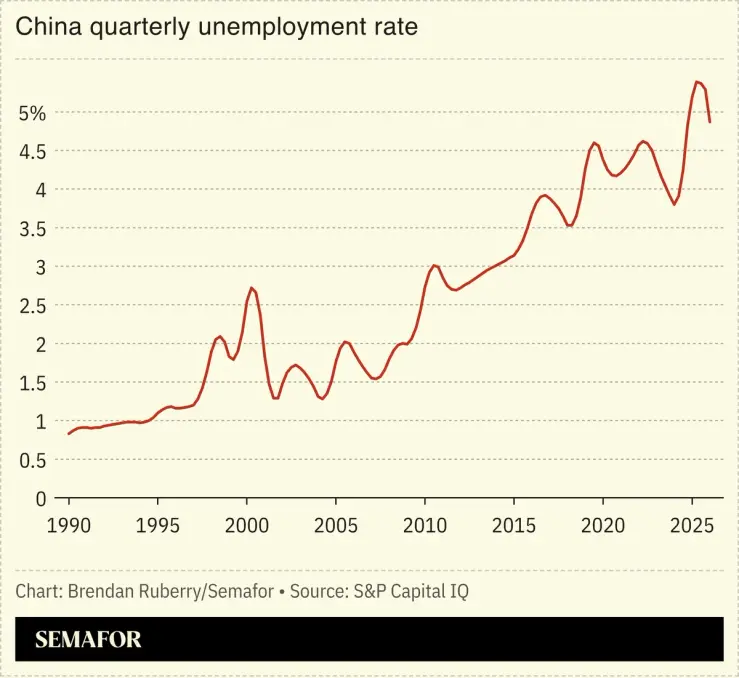
Core unemployment is hovering near record highs, according to data released this week. Growth in investment, industrial production, and retail sales all slowed in April. And corporate earnings are lagging behind stock market valuations.

fdfdfd

China looks for signs of optimism in its housing market (Kopiuj)

Czas czytania: 1 min

Economists debated whether there’s light at the end of the tunnel for China’s multiyear property slump.

Home prices in the country’s largest cities have ticked up this year, and sellers’ “panic listings” have fallen.

Some analysts “see a turning point” in the crisis and predict home prices will start recovering later this year, The New York Times wrote.

Others argue the uptick in prices is just a lull before another downturn. China’s economy still faces steep challenges.

Core unemployment is hovering near record highs, according to data released this week. Growth in investment, industrial production, and retail sales all slowed in April. And corporate earnings are lagging behind stock market valuations.

fdfdfd

China looks for signs of optimism in its housing market (Kopiuj)

Czas czytania: 1 min

Economists debated whether there’s light at the end of the tunnel for China’s multiyear property slump.

Home prices in the country’s largest cities have ticked up this year, and sellers’ “panic listings” have fallen.

Some analysts “see a turning point” in the crisis and predict home prices will start recovering later this year, The New York Times wrote.

Others argue the uptick in prices is just a lull before another downturn. China’s economy still faces steep challenges.

Core unemployment is hovering near record highs, according to data released this week. Growth in investment, industrial production, and retail sales all slowed in April. And corporate earnings are lagging behind stock market valuations.

fdfdfd

China looks for signs of optimism in its housing market

Czas czytania: 1 min

Economists debated whether there’s light at the end of the tunnel for China’s multiyear property slump.

Home prices in the country’s largest cities have ticked up this year, and sellers’ “panic listings” have fallen.

Some analysts “see a turning point” in the crisis and predict home prices will start recovering later this year, The New York Times wrote.

Others argue the uptick in prices is just a lull before another downturn. China’s economy still faces steep challenges.

Core unemployment is hovering near record highs, according to data released this week. Growth in investment, industrial production, and retail sales all slowed in April. And corporate earnings are lagging behind stock market valuations.

fdfdfd