IBM przejmuje HashiCorp, ale obawy akcjonariuszy rosną

IBM
Kontrowersje wokół przejęcia HashiCorp przez IBM za 6,4 miliarda dolarów nasilają się, gdy akcjonariusze firmy oskarżają zarząd o priorytetyzowanie własnych interesów finansowych kosztem inwestorów.

IBM ogłosił plan przejęcia HashiCorp za 6,4 miliarda dolarów pod koniec kwietnia, ale ta transakcja nie cieszy się aprobatą wszystkich. Akcjonariusze HashiCorp wyrażają głębokie zaniepokojenie, obawiając się, że ich interesy mogą zostać zepchnięte na dalszy plan na korzyść kierownictwa firmy.

Spór dotyczący transakcji z IBM zyskał na intensywności, gdy jedna z akcjonariuszy HashiCorp, Michelle Graff, złożyła pozew w sądzie w Oakland, starając się powstrzymać finalizację przejęcia. Graff oskarża zarząd HashiCorp o priorytetyzowanie własnych korzyści finansowych kosztem reszty akcjonariuszy.

HashiCorp, znany z narzędzi do zarządzania infrastrukturą IT, w ostatnich miesiącach przestawił swoje portfolio i otworzył lokalne strefy w Europie. Jednak obecna sytuacja stawia firmę w niekorzystnym świetle wobec swoich inwestorów.

„Złoty spadochron”

Pozew zwraca szczególną uwagę na ogromne korzyści, jakie ma czerpać kierownictwo HashiCorp z transakcji. Według dokumentów sądowych, CEO Dave McJannet posiada około 270 milionów akcji i opcji, a CTO Amon Dadgar jeszcze większą sumę, sięgającą 640 milionów dolarów.

Te aktywa sprawiają, że zarząd HashiCorp może liczyć na znaczące korzyści finansowe z przejęcia, co Michelle Graff określa jako „złoty spadochron”. Akcjonariuszka zarzuca kierownictwu ukrywanie istotnych informacji finansowych w dokumentach związanych z proponowanym przejęciem, co mogło wprowadzić inwestorów w błąd co do rzeczywistej wartości transakcji.

Reakcja na zarzuty

Do tej pory HashiCorp nie odpowiedział na te oskarżenia. Analitycy podkreślają, że firma może być teraz w trudnej sytuacji, próbując jednocześnie zaspokoić roszczenia sądowe i obronić swoje stanowisko w sprawie przejęcia przez IBM.

IBM, gigant technologiczny, wydaje się być zdecydowany na zakończenie transakcji. Firma wyłożyła na stół 6,4 miliarda dolarów, aby przejąć HashiCorp, mimo że wartość rynkowa HashiCorp wynosiła około 5 miliardów dolarów w momencie ogłoszenia umowy.

Przejęcie HashiCorp przez IBM jest postrzegane jako strategiczny ruch mający na celu umocnienie pozycji IBM w obszarze zarządzania infrastrukturą chmurową i automatyzacją. Jednak dla akcjonariuszy HashiCorp jest to niepewny czas, gdyż walczą o to, aby ich interesy były chronione w obliczu potencjalnie korzystnego dla kierownictwa porozumienia.

China looks for signs of optimism in its housing market (Kopiuj)

Czas czytania: 1 min

Economists debated whether there’s light at the end of the tunnel for China’s multiyear property slump.

Home prices in the country’s largest cities have ticked up this year, and sellers’ “panic listings” have fallen.

Some analysts “see a turning point” in the crisis and predict home prices will start recovering later this year, The New York Times wrote.

Others argue the uptick in prices is just a lull before another downturn. China’s economy still faces steep challenges.

Core unemployment is hovering near record highs, according to data released this week. Growth in investment, industrial production, and retail sales all slowed in April. And corporate earnings are lagging behind stock market valuations.

fdfdfd

China looks for signs of optimism in its housing market (Kopiuj)

Czas czytania: 1 min

Economists debated whether there’s light at the end of the tunnel for China’s multiyear property slump.

Home prices in the country’s largest cities have ticked up this year, and sellers’ “panic listings” have fallen.

Some analysts “see a turning point” in the crisis and predict home prices will start recovering later this year, The New York Times wrote.

Others argue the uptick in prices is just a lull before another downturn. China’s economy still faces steep challenges.

Core unemployment is hovering near record highs, according to data released this week. Growth in investment, industrial production, and retail sales all slowed in April. And corporate earnings are lagging behind stock market valuations.

fdfdfd

China looks for signs of optimism in its housing market (Kopiuj)

Czas czytania: 1 min

Economists debated whether there’s light at the end of the tunnel for China’s multiyear property slump.

Home prices in the country’s largest cities have ticked up this year, and sellers’ “panic listings” have fallen.

Some analysts “see a turning point” in the crisis and predict home prices will start recovering later this year, The New York Times wrote.

Others argue the uptick in prices is just a lull before another downturn. China’s economy still faces steep challenges.

Core unemployment is hovering near record highs, according to data released this week. Growth in investment, industrial production, and retail sales all slowed in April. And corporate earnings are lagging behind stock market valuations.

fdfdfd

China looks for signs of optimism in its housing market

Czas czytania: 1 min

Economists debated whether there’s light at the end of the tunnel for China’s multiyear property slump.

Home prices in the country’s largest cities have ticked up this year, and sellers’ “panic listings” have fallen.

Some analysts “see a turning point” in the crisis and predict home prices will start recovering later this year, The New York Times wrote.

Others argue the uptick in prices is just a lull before another downturn. China’s economy still faces steep challenges.

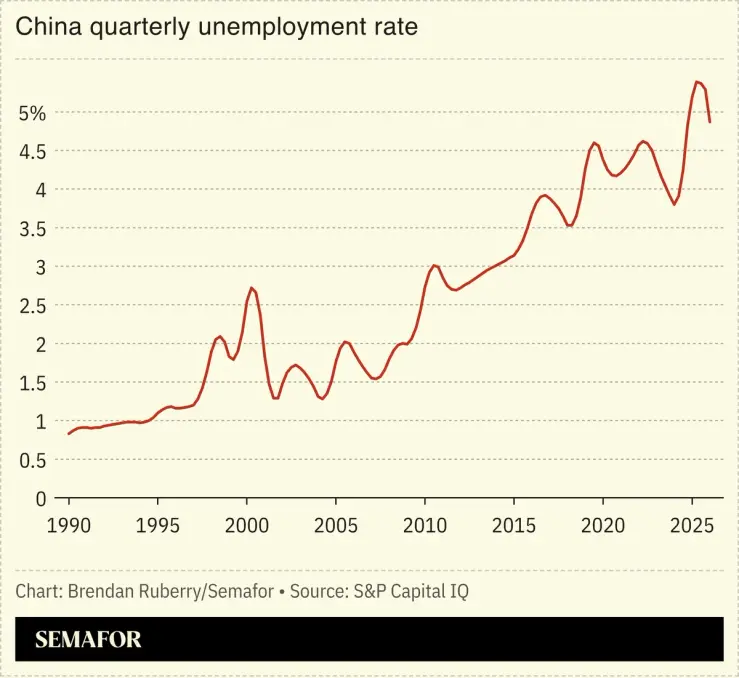
Core unemployment is hovering near record highs, according to data released this week. Growth in investment, industrial production, and retail sales all slowed in April. And corporate earnings are lagging behind stock market valuations.

fdfdfd