Europa luzuje regulacje AI. Czy to szansa na dogonienie konkurencji z USA i Chin?

komisja europejska, unia europejskaź
Bruksela łagodzi ton w sprawie AI Act, opóźniając wdrożenie najbardziej restrykcyjnych przepisów o trzy lata w odpowiedzi na rosnącą presję ze strony europejskiego biznesu. Ten strategiczny odwrót ma dać lokalnym czempionom technologicznym niezbędną przestrzeń do oddechu w starciu z silniejszą konkurencją z USA i Azji.

Unia Europejska, przez lata pozycjonująca się jako globalny żandarm technologii, zaczyna luzować uścisk. Po maratonie negocjacji w Brukseli, kraje członkowskie i Parlament Europejski porozumiały się w sprawie złagodzenia kluczowych zapisów AI Act. To wyraźny sygnał, że obawy o utratę konkurencyjności wobec USA i Chin ostatecznie przeważyły nad chęcią natychmiastowego i sztywnego uregulowania rynku sztucznej inteligencji.

Najważniejszą decyzją jest znaczące przesunięcie terminów. Wdrożenie najbardziej restrykcyjnych przepisów dotyczących systemów wysokiego ryzyka – obejmujących m.in. biometrię, infrastrukturę krytyczną czy egzekwowanie prawa – zostało opóźnione do grudnia 2027 roku. Pierwotnie rygory te miały obowiązywać już od sierpnia bieżącego roku. Oficjalnym powodem tej decyzji jest dążenie do ograniczenia biurokracji i powtarzających się kosztów administracyjnych, na które coraz głośniej skarżył się europejski sektor technologiczny.

Zwycięstwo mogą ogłosić także giganci przemysłowi, tacy jak Siemens czy ASML. Wywalczyli oni wyłączenie maszyn spod jurysdykcji AI Act, argumentując, że sektor ten podlega już wystarczającym regulacjom sektorowym. Dla Brukseli to trudny kompromis: z jednej strony uproszczenie przepisów ma pomóc europejskim firmom w globalnym wyścigu, z drugiej – organizacje konsumenckie już teraz alarmują o „kapitulacji przed lobby technologicznym”.

Mimo ogólnego rozluźnienia kursu, Unia pozostaje nieugięta w kwestiach bezpieczeństwa osobistego i godności człowieka. Już od 2 grudnia 2024 roku wejdzie w życie całkowity zakaz korzystania z aplikacji typu „nudify”, służących do tworzenia nieautoryzowanych, intymnych deepfake’ów. To bezpośrednia reakcja na ostatnie incydenty związane z treściami generowanymi przez model Grok od xAI. W tym samym czasie zacznie obowiązywać wymóg znakowania wodnego wszelkich materiałów stworzonych przez sztuczną inteligencję.

Obecny zwrot w Brukseli pokazuje nową dynamikę w europejskiej polityce cyfrowej. Choć AI Act wciąż uchodzi za najsurowszy zestaw zasad na świecie, unijni decydenci zdają się rozumieć, że zbyt gorliwe regulowanie raczkującej technologii może skończyć się wypchnięciem innowacji poza granice kontynentu. Europa próbuje teraz znaleźć złoty środek między ochroną obywateli a przetrwaniem w cyfrowej gospodarce. Czasu na adaptację jest teraz więcej, ale presja na wynik pozostaje ogromna.

China looks for signs of optimism in its housing market (Kopiuj)

Czas czytania: 1 min

Economists debated whether there’s light at the end of the tunnel for China’s multiyear property slump.

Home prices in the country’s largest cities have ticked up this year, and sellers’ “panic listings” have fallen.

Some analysts “see a turning point” in the crisis and predict home prices will start recovering later this year, The New York Times wrote.

Others argue the uptick in prices is just a lull before another downturn. China’s economy still faces steep challenges.

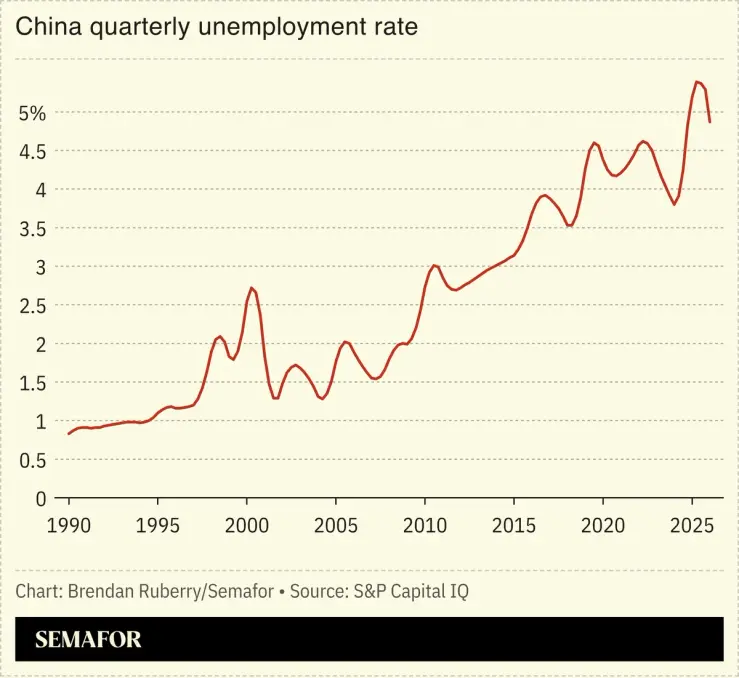
Core unemployment is hovering near record highs, according to data released this week. Growth in investment, industrial production, and retail sales all slowed in April. And corporate earnings are lagging behind stock market valuations.

fdfdfd

China looks for signs of optimism in its housing market (Kopiuj)

Czas czytania: 1 min

Economists debated whether there’s light at the end of the tunnel for China’s multiyear property slump.

Home prices in the country’s largest cities have ticked up this year, and sellers’ “panic listings” have fallen.

Some analysts “see a turning point” in the crisis and predict home prices will start recovering later this year, The New York Times wrote.

Others argue the uptick in prices is just a lull before another downturn. China’s economy still faces steep challenges.

Core unemployment is hovering near record highs, according to data released this week. Growth in investment, industrial production, and retail sales all slowed in April. And corporate earnings are lagging behind stock market valuations.

fdfdfd

China looks for signs of optimism in its housing market (Kopiuj)

Czas czytania: 1 min

Economists debated whether there’s light at the end of the tunnel for China’s multiyear property slump.

Home prices in the country’s largest cities have ticked up this year, and sellers’ “panic listings” have fallen.

Some analysts “see a turning point” in the crisis and predict home prices will start recovering later this year, The New York Times wrote.

Others argue the uptick in prices is just a lull before another downturn. China’s economy still faces steep challenges.

Core unemployment is hovering near record highs, according to data released this week. Growth in investment, industrial production, and retail sales all slowed in April. And corporate earnings are lagging behind stock market valuations.

fdfdfd

China looks for signs of optimism in its housing market

Czas czytania: 1 min

Economists debated whether there’s light at the end of the tunnel for China’s multiyear property slump.

Home prices in the country’s largest cities have ticked up this year, and sellers’ “panic listings” have fallen.

Some analysts “see a turning point” in the crisis and predict home prices will start recovering later this year, The New York Times wrote.

Others argue the uptick in prices is just a lull before another downturn. China’s economy still faces steep challenges.

Core unemployment is hovering near record highs, according to data released this week. Growth in investment, industrial production, and retail sales all slowed in April. And corporate earnings are lagging behind stock market valuations.

fdfdfd