Efekt stycznia – wbrew noworocznej flaucie

branża finansowa, iPod, efekt stycznia
W styczniu, miesiącu często kojarzonym ze spadkiem nastrojów po świątecznym okresie, rynek kapitałowy zaskakuje pozytywnie, prezentując zjawisko znanego jako "efekt stycznia" – sezonowego wzrostu cen akcji. Czy jest to magiczna recepta na zimową chandrę, czy za zjawiskiem tym kryją się bardziej prozaiczne przyczyny, wyjaśnia Olena Bondar z Freedom Finance Europe.

O ile styczeń kojarzy nam się raczej ze spadkiem nastroju po Bożym Narodzeniu i Nowym Roku, a medialne przekazy podbija rzekomo najsmutniejszy dzień w roku – Blue Monday, to na rynku kapitałowym można oczekiwać wzrostów. Czy inwestowanie jest magiczną receptą na zimową chandrę, czy jednak powód zwyżki jest znacznie bardziej prozaiczny?

– Efekt stycznia to odczuwalny sezonowy wzrost cen akcji w styczniu. Zwykle tłumaczy się to wzrostem liczby nabywców po spadku cen, który zwykle ma miejsce w grudniu, kiedy inwestorzy często gromadzą straty podatkowe, aby zrównoważyć zrealizowane zyski kapitałowe, co prowadzi do wyprzedaży. Innym możliwym wyjaśnieniem jest to, że inwestorzy korzystają z dodatkowych przychodów na koniec roku, aby je zainwestować w nowym rokuprzybliża to giełdowe zjawisko Olena Bondar z Freedom Finance Europe.

– Co ciekawe istnieją dane potwierdzające efekt stycznia. Na przykład badanie firmy inwestycyjnej S&P Dow Jones Indices wykazało, że od 1928 r. średnia stopa zwrotu indeksu S&P 500 w styczniu wynosi 3,2%. Dla porównania, średnia stopa zwrotu w pozostałych 11 miesiącach roku wynosi 1,1%dodaje dyrektor biura Freedom Finance Europe Poland.

Należy jednak pamiętać, że „efekt stycznia” nie jest gwarantowany. W styczniu indeks S&P 500 spadał wielokrotnie. Ponadto jest on wyraźniejszy w przypadku akcji spółek o małej kapitalizacji niż spółek o dużej kapitalizacji.

O ile jednak „efekt stycznia” jest realnym, obserwowalnym zjawiskiem rynkowym, o tyle nie ma gwarancji, że faktycznie wystąpi on w danym roku. W ciągu ostatnich 30 lat styczniowe wzrosty zaobserwowano 17 razy (57%), naprzeciw temu, że 13 styczni (43%) przyniosło straty, co sprawia, że opieranie się tylko na magii stycznia nie jest wiele lepsze niż rzucenie monetą, czy zaufaniu w prognozę pogody podawaną przez świstaka. Warto mieć to na uwadze zastanawiając się nad tym, jaką giełdową strategię obrać w nowym roku.

Inwestowanie w oczekiwaniu na „efekt stycznia” może być realną taktyką dla niektórych inwestorów, należy jednak pamiętać, że taka strategia, jak zresztą w ogóle inwestowanie w rynek kapitałowy, zawsze wiąże się z pewnym ryzykiem i niepewnością. Dlatego jeśli mimo wszystko chcemy uwierzyć w magię styczniowej anomalii, warto pamiętać o inwestowaniu w ramach zdywersyfikowanego portfela – dokładnie tak jak w przypadku stosowania wszystkich strategii inwestycyjnych.

China looks for signs of optimism in its housing market (Kopiuj)

Czas czytania: 1 min

Economists debated whether there’s light at the end of the tunnel for China’s multiyear property slump.

Home prices in the country’s largest cities have ticked up this year, and sellers’ “panic listings” have fallen.

Some analysts “see a turning point” in the crisis and predict home prices will start recovering later this year, The New York Times wrote.

Others argue the uptick in prices is just a lull before another downturn. China’s economy still faces steep challenges.

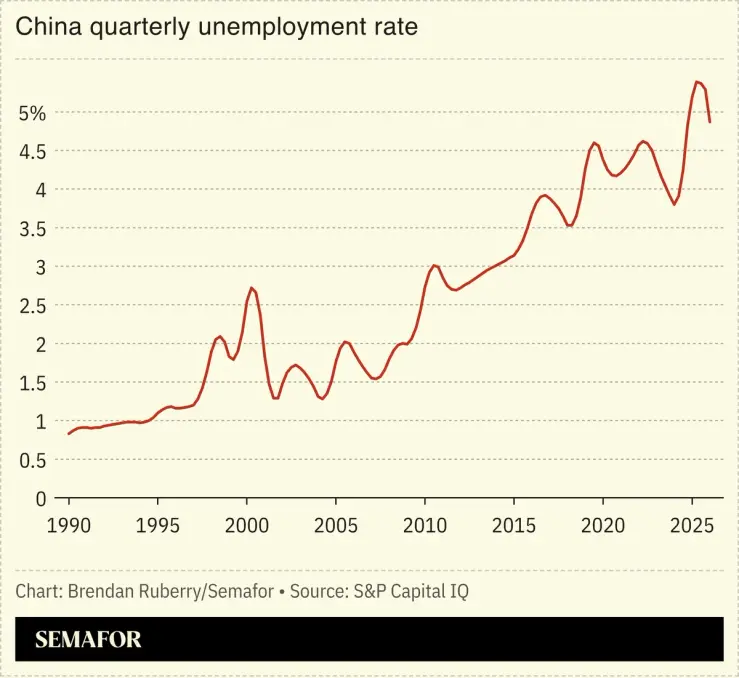
Core unemployment is hovering near record highs, according to data released this week. Growth in investment, industrial production, and retail sales all slowed in April. And corporate earnings are lagging behind stock market valuations.

fdfdfd

China looks for signs of optimism in its housing market (Kopiuj)

Czas czytania: 1 min

Economists debated whether there’s light at the end of the tunnel for China’s multiyear property slump.

Home prices in the country’s largest cities have ticked up this year, and sellers’ “panic listings” have fallen.

Some analysts “see a turning point” in the crisis and predict home prices will start recovering later this year, The New York Times wrote.

Others argue the uptick in prices is just a lull before another downturn. China’s economy still faces steep challenges.

Core unemployment is hovering near record highs, according to data released this week. Growth in investment, industrial production, and retail sales all slowed in April. And corporate earnings are lagging behind stock market valuations.

fdfdfd

China looks for signs of optimism in its housing market (Kopiuj)

Czas czytania: 1 min

Economists debated whether there’s light at the end of the tunnel for China’s multiyear property slump.

Home prices in the country’s largest cities have ticked up this year, and sellers’ “panic listings” have fallen.

Some analysts “see a turning point” in the crisis and predict home prices will start recovering later this year, The New York Times wrote.

Others argue the uptick in prices is just a lull before another downturn. China’s economy still faces steep challenges.

Core unemployment is hovering near record highs, according to data released this week. Growth in investment, industrial production, and retail sales all slowed in April. And corporate earnings are lagging behind stock market valuations.

fdfdfd

China looks for signs of optimism in its housing market

Czas czytania: 1 min

Economists debated whether there’s light at the end of the tunnel for China’s multiyear property slump.

Home prices in the country’s largest cities have ticked up this year, and sellers’ “panic listings” have fallen.

Some analysts “see a turning point” in the crisis and predict home prices will start recovering later this year, The New York Times wrote.

Others argue the uptick in prices is just a lull before another downturn. China’s economy still faces steep challenges.

Core unemployment is hovering near record highs, according to data released this week. Growth in investment, industrial production, and retail sales all slowed in April. And corporate earnings are lagging behind stock market valuations.

fdfdfd