Dlaczego Apple wraca do Intela? Zmiany na rynku półprzewodników

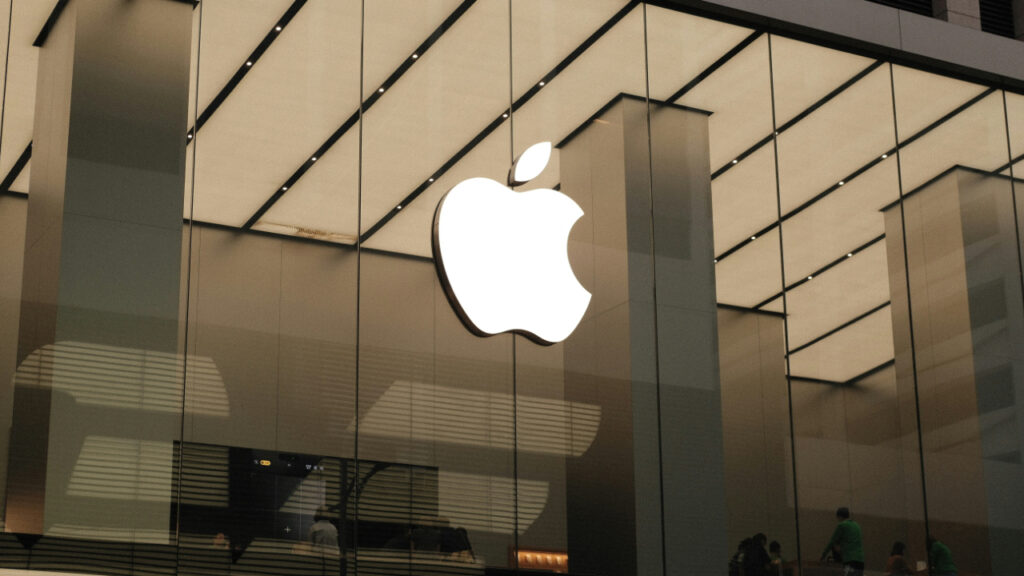
Przy silnym wsparciu Waszyngtonu, dążącego do odbudowy krajowej branży półprzewodników, Apple i Intel zawarły wstępną umowę, na mocy której amerykański gigant zajmie się produkcją chipów dla twórców iPhone'a. To strategiczne partnerstwo pozwoli Apple zdywersyfikować łańcuch dostaw i odciążyć tajwańskie TSMC, dając jednocześnie Intelowi potężny impuls do rozwoju jego kontraktowego biznesu produkcyjnego.

Sześć lat po głośnym rozstaniu, kiedy to Apple zrezygnowało z procesorów Intela na rzecz własnych układów z serii M, obaj giganci technologiczni ponownie łączą siły. Jak wynika z najnowszych doniesień, firmy zawarły wstępne porozumienie, na mocy którego Intel zajmie się produkcją chipów dla producenta iPhone’ów. To fundamentalna zmiana na rynku półprzewodników, która obnaża dwa kluczowe trendy: narastający kryzys w łańcuchach dostaw oraz rosnące wpływy polityczne w branży technologicznej.

Decyzja Tima Cooka o wznowieniu współpracy z Intelem ma głębokie uzasadnienie biznesowe. Apple od lat opiera swoją potęgę sprzętową niemal wyłącznie na tajwańskim gigancie TSMC. Problem w tym, że najbardziej zaawansowane linie produkcyjne na Tajwanie są obecnie ekstremalnie przeciążone. Boom na sztuczną inteligencję sprawił, że firmy takie jak Nvidia czy AMD wykupują każdą dostępną moc przerobową. W efekcie Apple zaczęło borykać się z wąskimi gardłami, które bezpośrednio hamują sprzedaż flagowych urządzeń. Firma desperacko potrzebowała dywersyfikacji, a budujący nowe fabryki Intel okazał się optymalną alternatywą zdolną w przyszłości sprostać tak ogromnej skali. Co ważne, tym razem Intel nie dostarczy Apple swoich własnych architektur – użyczy jedynie swoich zakładów jako podwykonawca produkujący autorskie układy zaprojektowane w Cupertino.

To biznesowe małżeństwo z rozsądku miało jednak potężnego swata w postaci amerykańskiego rządu. Z kuluarowych informacji wynika, że administracja w Waszyngtonie odegrała kluczową rolę w posadzeniu obu stron przy stole negocjacyjnym. Dążąc do uniezależnienia się od azjatyckich dostawców i przeniesienia strategicznej produkcji z powrotem do USA, najwyżsi urzędnicy osobiście zachęcali Tima Cooka do współpracy. Pomogła w tym również trwająca restrukturyzacja Intela. Pod wodzą nowego dyrektora generalnego, Lip-Bu Tana, firma przechodzi agresywną transformację, w której amerykański rząd zyskał potężne udziały kapitałowe, stając się największym akcjonariuszem spółki.

Rynki finansowe przyjęły te informacje z entuzjazmem. Akcje Intela błyskawicznie wzrosły o 15 procent, co dowodzi, że pozyskanie tak wymagającego klienta jak Apple jest traktowane jako potężny zastrzyk wiarygodności dla ich usług odlewniczych. Dla Apple to z kolei gwarancja stabilniejszych dostaw w niespokojnych czasach. To wstępne porozumienie jest najdobitniejszym dowodem na to, że w dzisiejszym świecie technologii geopolityka i bezpieczeństwo łańcuchów dostaw są równie ważne, co same innowacje.

China looks for signs of optimism in its housing market (Kopiuj)

Czas czytania: 1 min

Economists debated whether there’s light at the end of the tunnel for China’s multiyear property slump.

Home prices in the country’s largest cities have ticked up this year, and sellers’ “panic listings” have fallen.

Some analysts “see a turning point” in the crisis and predict home prices will start recovering later this year, The New York Times wrote.

Others argue the uptick in prices is just a lull before another downturn. China’s economy still faces steep challenges.

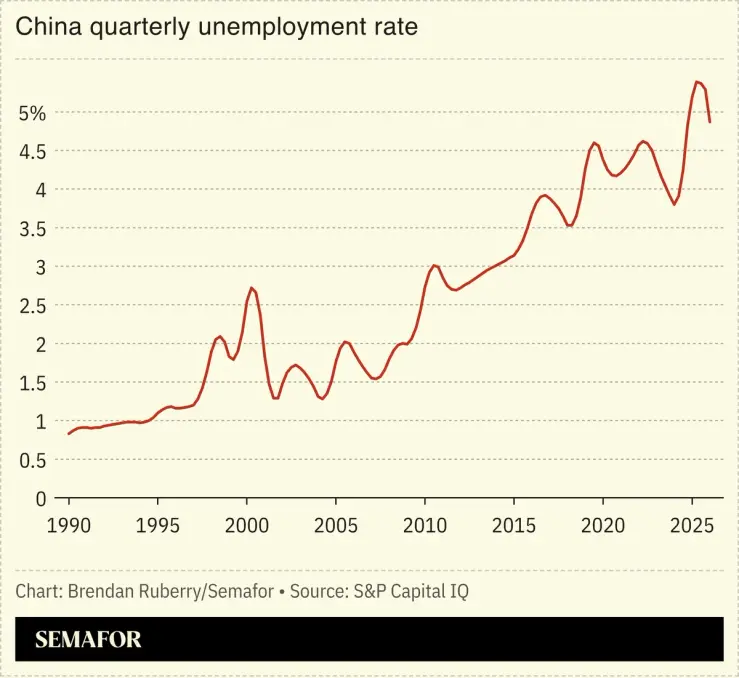
Core unemployment is hovering near record highs, according to data released this week. Growth in investment, industrial production, and retail sales all slowed in April. And corporate earnings are lagging behind stock market valuations.

fdfdfd

China looks for signs of optimism in its housing market (Kopiuj)

Czas czytania: 1 min

Economists debated whether there’s light at the end of the tunnel for China’s multiyear property slump.

Home prices in the country’s largest cities have ticked up this year, and sellers’ “panic listings” have fallen.

Some analysts “see a turning point” in the crisis and predict home prices will start recovering later this year, The New York Times wrote.

Others argue the uptick in prices is just a lull before another downturn. China’s economy still faces steep challenges.

Core unemployment is hovering near record highs, according to data released this week. Growth in investment, industrial production, and retail sales all slowed in April. And corporate earnings are lagging behind stock market valuations.

fdfdfd

China looks for signs of optimism in its housing market (Kopiuj)

Czas czytania: 1 min

Economists debated whether there’s light at the end of the tunnel for China’s multiyear property slump.

Home prices in the country’s largest cities have ticked up this year, and sellers’ “panic listings” have fallen.

Some analysts “see a turning point” in the crisis and predict home prices will start recovering later this year, The New York Times wrote.

Others argue the uptick in prices is just a lull before another downturn. China’s economy still faces steep challenges.

Core unemployment is hovering near record highs, according to data released this week. Growth in investment, industrial production, and retail sales all slowed in April. And corporate earnings are lagging behind stock market valuations.

fdfdfd

China looks for signs of optimism in its housing market

Czas czytania: 1 min

Economists debated whether there’s light at the end of the tunnel for China’s multiyear property slump.

Home prices in the country’s largest cities have ticked up this year, and sellers’ “panic listings” have fallen.

Some analysts “see a turning point” in the crisis and predict home prices will start recovering later this year, The New York Times wrote.

Others argue the uptick in prices is just a lull before another downturn. China’s economy still faces steep challenges.

Core unemployment is hovering near record highs, according to data released this week. Growth in investment, industrial production, and retail sales all slowed in April. And corporate earnings are lagging behind stock market valuations.

fdfdfd