Czy inwestycje w AI zagrożą konkurencji? Działania Microsoftu i Amazona pod lupą brytyjskich regulatorów

Microsoft, open source
Brytyjscy regulatorzy postanowili zbadać najnowsze transakcje Microsoftu i Amazona dotyczące sztucznej inteligencji, wywołując dyskusje na temat wpływu takich ruchów na konkurencję w branży. Decyzja ta podkreśla rosnącą rolę organów regulacyjnych w kształtowaniu przyszłości technologii i rynku AI.

W ostatnich latach, dynamiczny rozwój sztucznej inteligencji przyciągnął zarówno inwestorów, jak i regulatorów. Z najnowszych informacji wynika, że brytyjski Urząd ds. Konkurencji i Rynków (CMA) postanowił przyjrzeć się bliżej działaniom gigantów technologicznych takich jak Microsoft i Amazon. CMA zainicjowało analizę transakcji tych firm związanych z AI, z uwagi na potencjalne ryzyko dla konkurencji w branży.

Microsoft, znany z inwestycji w innowacyjne start-upy, niedawno nawiązał współpracę z francuskim Mistral AI oraz zatrudnił kluczowe talenty z Inflection AI. Podobne kroki podjął Amazon, inwestując 4 miliardy dolarów w Anthropic, firmę rozwijającą modele fundamentów AI. Te ruchy wzbudziły zainteresowanie CMA, co może świadczyć o nowym podejściu regulatorów do dużych transakcji w technologii.

Zdaniem Joela Bamforda, dyrektora wykonawczego ds. fuzji CMA, ważne jest, aby ocenić, czy działania takie jak te prowadzą do ograniczenia konkurencji. „Ocenimy, obiektywnie i bezstronnie, czy każda z tych trzech transakcji podlega brytyjskim zasadom fuzji, a jeśli tak, czy mają one jakikolwiek wpływ na konkurencję w Wielkiej Brytanii”, stwierdził Bamford.

Jednym z kluczowych aspektów tej sprawy jest różnica między zwykłymi praktykami biznesowymi a działaniami, które mogą naruszać przepisy antymonopolowe. Microsoft utrzymuje, że jego działania, takie jak zatrudnianie talentów czy inwestycje w start-upy, są standardowymi praktykami promującymi konkurencję. W odpowiedzi na działania regulatorów, obie firmy zobowiązały się do współpracy z CMA i dostarczenia potrzebnych informacji.

Tymczasem Amazon podkreśla, że ich inwestycja w Anthropic nie przekłada się na kontrolę zarządczą, co oznacza, że Anthropic nadal prowadzi swoje modele na wielu dostawcach chmury, co może sugerować dążenie do zachowania większej niezależności w ramach partnerstwa.

Zwiększony nacisk na regulacje w sektorze AI wskazuje na rosnącą świadomość wśród regulatorów o potencjalnych ryzykach monopolistycznych. CMA nie tylko rozważa dokładne dochodzenia w tych konkretnych przypadkach, ale także intensyfikuje kontrolę nad całą branżą, co może wprowadzić nowe wytyczne i oczekiwania dla przyszłych fuzji i partnerstw w dziedzinie technologii.

To, jakie kroki podejmie CMA, może mieć długofalowe skutki dla globalnej sceny technologicznej, szczególnie w sektorze AI, który jest kluczowym elementem innowacji w wielu branżach. Wszystkie oczy są teraz zwrócone na Wielką Brytanię, której działania mogą zdefiniować nowe ramy dla rozwoju technologicznego oraz konkurencji na globalnym rynku.

China looks for signs of optimism in its housing market (Kopiuj)

Czas czytania: 1 min

Economists debated whether there’s light at the end of the tunnel for China’s multiyear property slump.

Home prices in the country’s largest cities have ticked up this year, and sellers’ “panic listings” have fallen.

Some analysts “see a turning point” in the crisis and predict home prices will start recovering later this year, The New York Times wrote.

Others argue the uptick in prices is just a lull before another downturn. China’s economy still faces steep challenges.

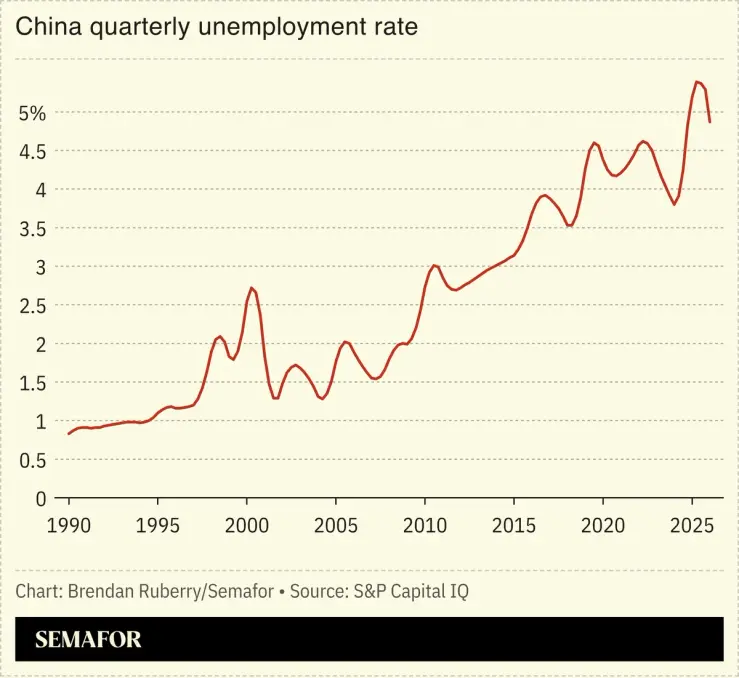
Core unemployment is hovering near record highs, according to data released this week. Growth in investment, industrial production, and retail sales all slowed in April. And corporate earnings are lagging behind stock market valuations.

fdfdfd

China looks for signs of optimism in its housing market (Kopiuj)

Czas czytania: 1 min

Economists debated whether there’s light at the end of the tunnel for China’s multiyear property slump.

Home prices in the country’s largest cities have ticked up this year, and sellers’ “panic listings” have fallen.

Some analysts “see a turning point” in the crisis and predict home prices will start recovering later this year, The New York Times wrote.

Others argue the uptick in prices is just a lull before another downturn. China’s economy still faces steep challenges.

Core unemployment is hovering near record highs, according to data released this week. Growth in investment, industrial production, and retail sales all slowed in April. And corporate earnings are lagging behind stock market valuations.

fdfdfd

China looks for signs of optimism in its housing market (Kopiuj)

Czas czytania: 1 min

Economists debated whether there’s light at the end of the tunnel for China’s multiyear property slump.

Home prices in the country’s largest cities have ticked up this year, and sellers’ “panic listings” have fallen.

Some analysts “see a turning point” in the crisis and predict home prices will start recovering later this year, The New York Times wrote.

Others argue the uptick in prices is just a lull before another downturn. China’s economy still faces steep challenges.

Core unemployment is hovering near record highs, according to data released this week. Growth in investment, industrial production, and retail sales all slowed in April. And corporate earnings are lagging behind stock market valuations.

fdfdfd

China looks for signs of optimism in its housing market

Czas czytania: 1 min

Economists debated whether there’s light at the end of the tunnel for China’s multiyear property slump.

Home prices in the country’s largest cities have ticked up this year, and sellers’ “panic listings” have fallen.

Some analysts “see a turning point” in the crisis and predict home prices will start recovering later this year, The New York Times wrote.

Others argue the uptick in prices is just a lull before another downturn. China’s economy still faces steep challenges.

Core unemployment is hovering near record highs, according to data released this week. Growth in investment, industrial production, and retail sales all slowed in April. And corporate earnings are lagging behind stock market valuations.

fdfdfd