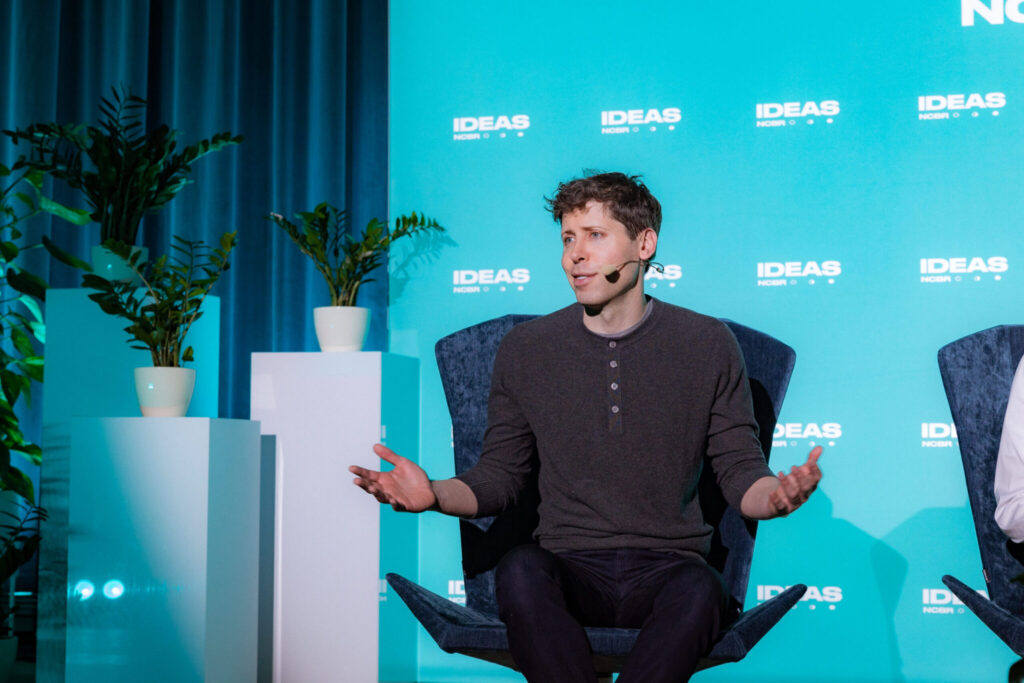
Dyrektor generalny OpenAI, Sam Altman, na światowej trasie promocyjnej swojej firmy zajmującej się sztuczną inteligencją, której produkt, ChatGPT, zyskał na popularności na całym świecie, musiał stawić czoła zarzutom o szantażowanie Unii.
W trakcie postoju w Londynie Altman zasugerował, że OpenAI może opuścić Unię, jeśli przepisy dotyczące sztucznej inteligencji, które opracowuje UE, okażą się zbyt surowe. To wywołało ostrą reakcję Thierry’ego Bretona, Europejskiego Komisarza ds. Rynku Wewnętrznego, który oskarżył firmę o szantaż.
Altman szybko podjął działania mające na celu uspokojenie sytuacji, tweetując: „Bardzo produktywny tydzień rozmów w Europie o tym, jak najlepiej regulować sztuczną inteligencję! Cieszymy się, że możemy dalej tu działać i oczywiście nie planujemy wyjeżdżać”.
Unia Europejska, która przoduje w globalnych wysiłkach na rzecz opracowania regulacji dla sztucznej inteligencji, jest na końcowym etapie prac nad ustawą o sztucznej inteligencji. Szybki rozwój chatbotów AI ogólnego przeznaczenia, takich jak ChatGPT, zaskoczył urzędników UE, którzy starają się dodać przepisy obejmujące tak zwane generatywne systemy sztucznej inteligencji.
Altman spotkał się z wieloma światowymi liderami, w tym z premierem Wielkiej Brytanii, prezydentem Francji, premierem Hiszpanii i kanclerzem Niemiec. Tymczasem Sundar Pichai, dyrektor generalny Google, również przemierzał Europę, aby omówić sztuczną inteligencję z urzędnikami takimi jak Scholz, Breton, szwedzkim premierem i dwoma unijnymi prawodawcami.
W trakcie swojego pobytu w University College London, Altman omówił kwestie regulacji sztucznej inteligencji, twierdząc, że prawidłowa odpowiedź na regulację AI prawdopodobnie leży gdzieś pomiędzy tradycyjnym podejściem europejskim, brytyjskim a amerykańskim. Altman podkreślił, że regulacje powinny być przemyślane i nie powinny hamować rozwoju technologii. Dodał, że „regulacja AI była powtarzającym się tematem” podczas jego światowej trasy, która obejmowała przystanki nie tylko w Europie, ale także w Toronto, Rio de Janeiro i Lagos, w Nigerii.
Altman twierdził również, że istnieje potencjał do stworzenia „jakiegoś rodzaju globalnego zestawu norm i egzekwowania” dla sztucznej inteligencji, co pokazuje dalekosiężne myślenie CEO w kontekście rosnącej globalnej debaty na temat AI. Jego słowa sugerują, że pomimo obaw wywołanych przez ewentualne restrykcyjne przepisy Unii Europejskiej, OpenAI ma na celu nie tylko zastosowanie się do lokalnych przepisów, ale także współpracę w kształtowaniu globalnych standardów.
Jego stanowisko znalazło echo w debatach innych liderów technologicznych, w tym CEO Microsoftu, Brada Smitha, który zasugerował plan publicznego zarządzania sztuczną inteligencją. Microsoft, który zainwestował miliardy w OpenAI i zintegrował technologię podobną do ChatGPT do swoich produktów, w tym chatbota dla swojej wyszukiwarki Bing, także odgrywa istotną rolę w kształtowaniu przyszłości sztucznej inteligencji.
W miarę jak rośnie potęga sztucznej inteligencji, Altman zwraca się do globalnej społeczności, aby stworzyć środowisko regulacyjne, które umożliwi bezpieczny rozwój i wdrażanie AI. Jego podejście do regulacji, choć kontrowersyjne, stanowi istotny wkład do dyskusji na temat przyszłości sztucznej inteligencji i jej miejsca na świecie. Pomimo napięć związanych z regulacjami w Unii Europejskiej, OpenAI wydaje się być gotowe do współpracy na różnych frontach, aby przyczynić się do rozwoju i regulacji sztucznej inteligencji.