CEO Nvidia wskazuje kraj, który może stać się kluczowym graczem na rynku AI

NVIDIA GEFORCE RTX 2060
Malezja, dotąd znana głównie z roli w tradycyjnym przemyśle produkcyjnym, staje na progu rewolucji w dziedzinie sztucznej inteligencji, według ostatnich wypowiedzi Jensena Huanga, dyrektora generalnego Nvidia. Huang wskazuje na potencjalną współpracę z malezyjskim konglomeratem YTL Corp., która mogłaby uczynić kraj ważnym ośrodkiem AI w Azji Południowo-Wschodniej.

W ostatnich dniach świat technologii został zaintrygowany wypowiedziami Jensena Huanga, dyrektora generalnego i założyciela Nvidia. Huang podczas spotkania z dziennikarzami w Kuala Lumpur zasygnalizował, że Malezja może stać się kluczowym graczem na arenie sztucznej inteligencji (AI). Jego słowa rzucają nowe światło na potencjał Azji Południowo-Wschodniej w zakresie rozwoju technologicznego, zwłaszcza w obszarze AI.

Malezja – kandydat na lidera AI?

Malezja, znana ze swoich umiejętności w pakowaniu, montażu i innych aspektach produkcji, według Huanga, jest dobrze przygotowana do przejęcia roli w produkcji sztucznej inteligencji. Jego uwagi podkreślają, że dla rozwoju AI kluczowe są nie tylko innowacje, ale i infrastruktura – dostęp do ziemi, obiektów, a przede wszystkim energii.

Partnerstwo z YTL Corp – klucz do sukcesu?

W centrum tej dyskusji znajduje się malezyjski konglomerat YTL Corp., który zdaniem Huanga, może odegrać znaczącą rolę w tworzeniu centrów danych AI. YTL, z różnorodnymi interesami od usług komunalnych po rozwój nieruchomości, może być strategicznym partnerem dla Nvidia w realizacji tych ambitnych celów. Huang, choć nie potwierdził bezpośrednich rozmów z YTL, nie ukrywał swojego uznania dla firmy.

Wizja przyszłości: AI jako filar rozwoju regionalnego

Huang wskazuje, że Azja Południowo-Wschodnia może stać się głównym centrum obliczeń AI, podkreślając znaczenie lokalnych centrów danych AI. Zwraca uwagę na przestarzałość starych centrów danych, które nie były projektowane z myślą o specyfice sztucznej inteligencji. Według niego, AI wymaga integracji z lokalną kulturą, językiem i wartościami, aby przekształcać dane w cenne informacje.

Potencjał i wyzwania

Nvidia już współpracuje z 80 startupami AI w Malezji, co świadczy o rosnącym zainteresowaniu i możliwościach w tym regionie. Jednak Huang zaznacza, że nie zna dokładnie planów każdego regionu w Azji Południowo-Wschodniej, choć jest przekonany o ich znaczeniu w łańcuchu dostaw technologii.

Wypowiedzi Huanga o Malezji jako potencjalnym centrum AI w Azji Południowo-Wschodniej są obiecujące, ale równocześnie pozostawiają wiele niewiadomych. Partnerstwo z firmami takimi jak YTL Corp może być kluczowe dla realizacji tych ambitnych planów. Malezja, z silnymi fundamentami w produkcji i montażu, może rzeczywiście wykorzystać tę okazję, aby wykreować się na lidera w dziedzinie sztucznej inteligencji, ale do sukcesu potrzebna będzie zarówno innowacyjność, jak i strategiczne partnerstwa.

China looks for signs of optimism in its housing market (Kopiuj)

Czas czytania: 1 min

Economists debated whether there’s light at the end of the tunnel for China’s multiyear property slump.

Home prices in the country’s largest cities have ticked up this year, and sellers’ “panic listings” have fallen.

Some analysts “see a turning point” in the crisis and predict home prices will start recovering later this year, The New York Times wrote.

Others argue the uptick in prices is just a lull before another downturn. China’s economy still faces steep challenges.

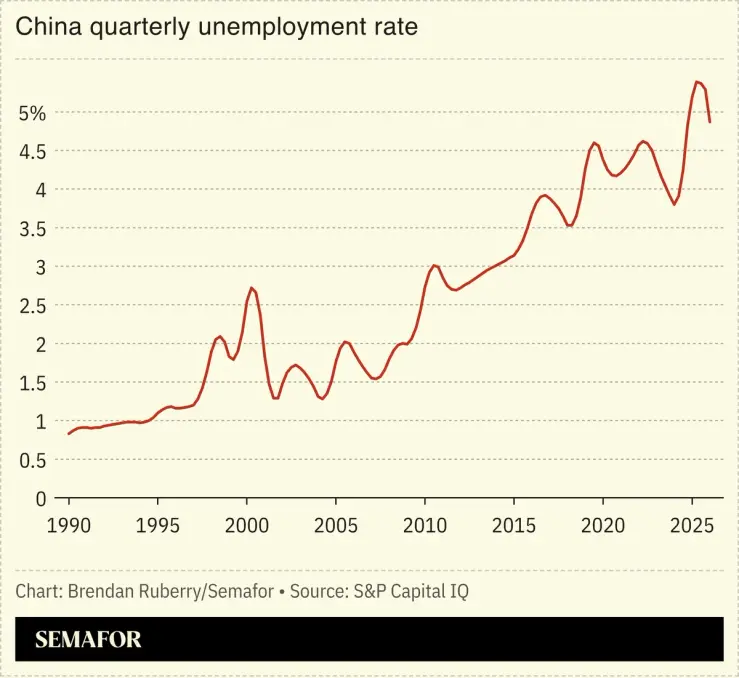
Core unemployment is hovering near record highs, according to data released this week. Growth in investment, industrial production, and retail sales all slowed in April. And corporate earnings are lagging behind stock market valuations.

fdfdfd

China looks for signs of optimism in its housing market (Kopiuj)

Czas czytania: 1 min

Economists debated whether there’s light at the end of the tunnel for China’s multiyear property slump.

Home prices in the country’s largest cities have ticked up this year, and sellers’ “panic listings” have fallen.

Some analysts “see a turning point” in the crisis and predict home prices will start recovering later this year, The New York Times wrote.

Others argue the uptick in prices is just a lull before another downturn. China’s economy still faces steep challenges.

Core unemployment is hovering near record highs, according to data released this week. Growth in investment, industrial production, and retail sales all slowed in April. And corporate earnings are lagging behind stock market valuations.

fdfdfd

China looks for signs of optimism in its housing market (Kopiuj)

Czas czytania: 1 min

Economists debated whether there’s light at the end of the tunnel for China’s multiyear property slump.

Home prices in the country’s largest cities have ticked up this year, and sellers’ “panic listings” have fallen.

Some analysts “see a turning point” in the crisis and predict home prices will start recovering later this year, The New York Times wrote.

Others argue the uptick in prices is just a lull before another downturn. China’s economy still faces steep challenges.

Core unemployment is hovering near record highs, according to data released this week. Growth in investment, industrial production, and retail sales all slowed in April. And corporate earnings are lagging behind stock market valuations.

fdfdfd

China looks for signs of optimism in its housing market

Czas czytania: 1 min

Economists debated whether there’s light at the end of the tunnel for China’s multiyear property slump.

Home prices in the country’s largest cities have ticked up this year, and sellers’ “panic listings” have fallen.

Some analysts “see a turning point” in the crisis and predict home prices will start recovering later this year, The New York Times wrote.

Others argue the uptick in prices is just a lull before another downturn. China’s economy still faces steep challenges.

Core unemployment is hovering near record highs, according to data released this week. Growth in investment, industrial production, and retail sales all slowed in April. And corporate earnings are lagging behind stock market valuations.

fdfdfd