Asus inwestuje w serwery HPC i AI

Asus
Asus, znany głównie z laptopów i routerów, cicho, lecz konsekwentnie rozszerza swoje wpływy na rynku serwerów wysokiej wydajności (HPC) i sztucznej inteligencji.

W świecie technologii, gdzie dominacja gigantów takich jak Amazon Web Services, Microsoft Azure czy Google Cloud wydaje się niepodważalna, Asus, firma kojarzona głównie z laptopami, routerami i komponentami komputerowymi, powoli, ale pewnie, toruje sobie drogę do sektora serwerów wysokiej wydajności (HPC) i sztucznej inteligencji (AI). Pomimo skromnych początków w tej dziedzinie, tajwański gigant technologiczny zaczyna wytyczać swoje miejsce w niszy rynku serwerów.

Tajwański tygrys z globalnymi ambicjami

Asus od lat rozwija swoje portfolio w ojczystym Tajwanie, zyskując uznanie za innowacyjność i efektywność energetyczną. Przykładem jest superkomputer Taiwania 2, zbudowany w 2018 roku, który zajął dwudzieste miejsce na liście Top 500 najpotężniejszych superkomputerów na świecie. W zeszłym roku Asus zdobył kontrakt na budowę Taiwania 4, kontynuując swoją ścieżkę jako kluczowy gracz w tajwańskim sektorze HPC.

Jednym z wyróżniających się osiągnięć firmy jest budowa centrum danych o imponująco niskim wskaźniku efektywności energetycznej (PUE) wynoszącym 1.17. Wartość ta oznacza, że do chłodzenia sprzętu potrzebna jest minimalna dodatkowa moc, co jest szczególnie imponujące, biorąc pod uwagę ciepły i wilgotny klimat Tajwanu. Tego rodzaju efektywność energetyczna stanowi silny atut Asusa w starciu z bardziej zasiedziałymi konkurentami na globalnym rynku.

Potężne serwery dla hiperskalerów

W ostatnich latach Asus nie tylko wzbogacił swoje doświadczenie w budowie serwerów i centrów danych, ale również skupił się na sztucznej inteligencji. Firma opracowała duży model AI nazwany Formosa, który posiada 176 miliardów parametrów i jest szkolony na chińskich danych językowych. To innowacyjne podejście daje Asusowi przewagę w rynku, gdzie dominują modele AI trenowane głównie na danych anglojęzycznych.

Chociaż firma nie jest jeszcze globalnym liderem w sektorze serwerów, jej oferta serwerów cieszy się popularnością wśród hiperskalerów, firm wymagających ogromnych zasobów obliczeniowych. Mimo że Asus nie jest w stanie konkurować cenowo z największymi graczami, zyskuje przewagę dzięki zaawansowanej efektywności energetycznej swojego sprzętu.

Mimo że Asus działa w branży serwerów głównie pod radarem, firma ma ambitne plany na przyszłość. Choć obecnie nie planuje dramatycznej ekspansji, długoterminowe cele obejmują stawanie się poważnym graczem na rynku enterprise. Asus widzi potencjał w dalszym rozwijaniu swojej oferty serwerowej i zamierza stopniowo umacniać swoją pozycję, bazując na unikalnych atutach, takich jak niska energochłonność i zaawansowane rozwiązania AI.

Podczas gdy Asus wciąż kojarzy się przede wszystkim z laptopami i komponentami komputerowymi, jego zaangażowanie w rozwój serwerów HPC i AI może w przyszłości zrewolucjonizować sposób, w jaki postrzegamy tę firmę. Powoli, ale pewnie, tajwański gigant technologiczny kroczy ku bardziej widocznej roli na globalnej scenie technologicznej.
China looks for signs of optimism in its housing market (Kopiuj)

Czas czytania: 1 min

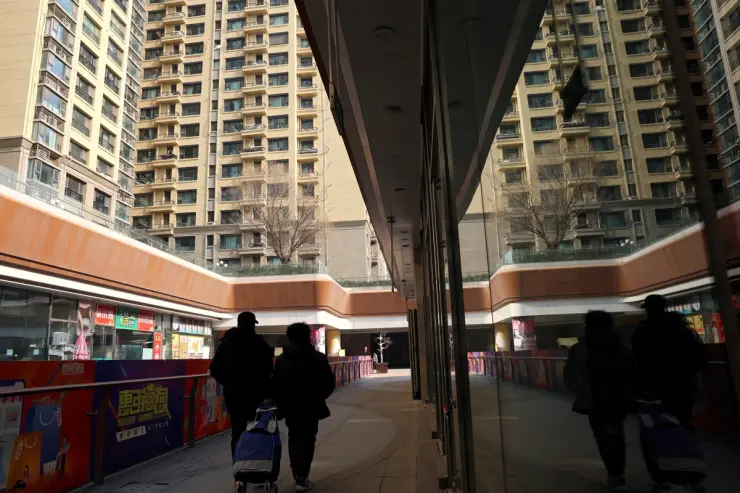
Economists debated whether there’s light at the end of the tunnel for China’s multiyear property slump.

Home prices in the country’s largest cities have ticked up this year, and sellers’ “panic listings” have fallen.

Some analysts “see a turning point” in the crisis and predict home prices will start recovering later this year, The New York Times wrote.

Others argue the uptick in prices is just a lull before another downturn. China’s economy still faces steep challenges.

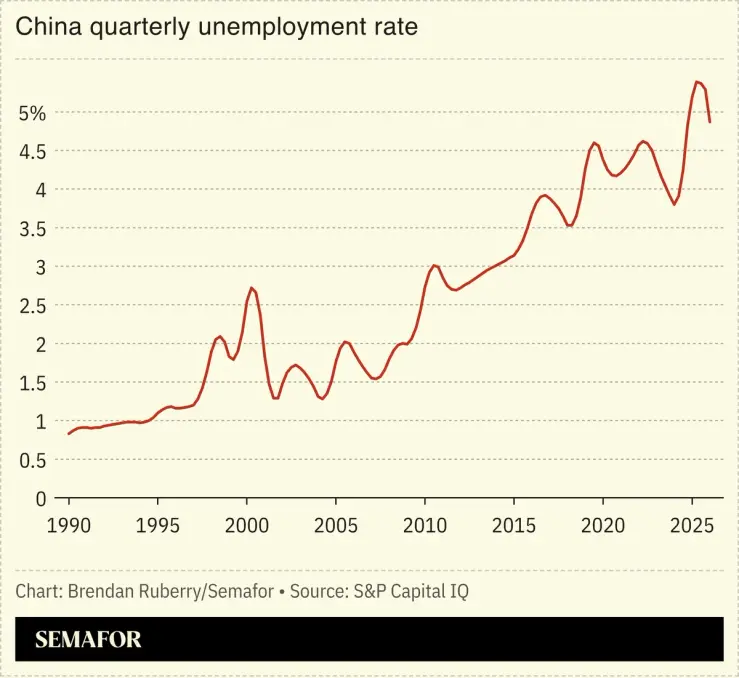
Core unemployment is hovering near record highs, according to data released this week. Growth in investment, industrial production, and retail sales all slowed in April. And corporate earnings are lagging behind stock market valuations.

fdfdfd

China looks for signs of optimism in its housing market (Kopiuj)

Czas czytania: 1 min

Economists debated whether there’s light at the end of the tunnel for China’s multiyear property slump.

Home prices in the country’s largest cities have ticked up this year, and sellers’ “panic listings” have fallen.

Some analysts “see a turning point” in the crisis and predict home prices will start recovering later this year, The New York Times wrote.

Others argue the uptick in prices is just a lull before another downturn. China’s economy still faces steep challenges.

Core unemployment is hovering near record highs, according to data released this week. Growth in investment, industrial production, and retail sales all slowed in April. And corporate earnings are lagging behind stock market valuations.

fdfdfd

China looks for signs of optimism in its housing market (Kopiuj)

Czas czytania: 1 min

Economists debated whether there’s light at the end of the tunnel for China’s multiyear property slump.

Home prices in the country’s largest cities have ticked up this year, and sellers’ “panic listings” have fallen.

Some analysts “see a turning point” in the crisis and predict home prices will start recovering later this year, The New York Times wrote.

Others argue the uptick in prices is just a lull before another downturn. China’s economy still faces steep challenges.

Core unemployment is hovering near record highs, according to data released this week. Growth in investment, industrial production, and retail sales all slowed in April. And corporate earnings are lagging behind stock market valuations.

fdfdfd

China looks for signs of optimism in its housing market

Czas czytania: 1 min

Economists debated whether there’s light at the end of the tunnel for China’s multiyear property slump.

Home prices in the country’s largest cities have ticked up this year, and sellers’ “panic listings” have fallen.

Some analysts “see a turning point” in the crisis and predict home prices will start recovering later this year, The New York Times wrote.

Others argue the uptick in prices is just a lull before another downturn. China’s economy still faces steep challenges.

Core unemployment is hovering near record highs, according to data released this week. Growth in investment, industrial production, and retail sales all slowed in April. And corporate earnings are lagging behind stock market valuations.

fdfdfd