AI może dodać 15 mld euro do gospodarki Węgier

Sztuczna inteligencja może do 2030 roku wygenerować na Węgrzech nawet 15 mld euro dodatkowej produktywności. Według analiz McKinsey odpowiada to około 6–7 proc. węgierskiego PKB i może pomóc gospodarce zmniejszyć dystans do bardziej rozwiniętych krajów Europy Zachodniej. Jednocześnie eksperci ostrzegają, że opóźnienia we wdrażaniu AI mogą pogłębić istniejącą lukę konkurencyjną.

Wnioski przedstawiono podczas dyskusji z udziałem przedstawicieli największych węgierskich firm. Wypowiedzi menedżerów pokazują, że przedsiębiorstwa coraz częściej przechodzą od eksperymentów do praktycznych zastosowań sztucznej inteligencji.

Jednym z najbardziej zaawansowanych przykładów jest Magyar Telekom. Jak poinformował zastępca dyrektora generalnego Peter Nagy, agenci AI obsługują już około 20 proc. połączeń klientów. Firma skróciła także czas wprowadzania nowych usług z około 90 do 30 dni. Jednocześnie część pracowników odpowiedzialnych za monitorowanie sieci została przesunięta do bardziej złożonych zadań.

Nie wszyscy jednak podzielają entuzjazm wobec krótkoterminowych efektów AI. Gábor Orbán, prezes firmy farmaceutycznej Richter, zwrócił uwagę, że sektor ochrony zdrowia przeżywał już podobne fale technologicznego optymizmu, między innymi wokół genomiki i cyfryzacji. Jego zdaniem potrzeba więcej czasu, aby ocenić, czy obecne oczekiwania dotyczące wzrostu produktywności rzeczywiście się zmaterializują.

Przedstawiciele sektora finansowego podkreślają z kolei, że AI nie musi automatycznie oznaczać niższych kosztów działalności. András Becsei z OTP Banku zauważył, że oszczędności związane z zatrudnieniem mogą zostać częściowo zrównoważone przez wyższe wydatki operacyjne oraz inwestycje w infrastrukturę technologiczną.

Kluczowym tematem pozostaje konkurencyjność. Gergely Bacsó z Allianz Węgry ocenia, że sztuczna inteligencja staje się elementem globalnego wyścigu gospodarczego. Firmy z większych rynków, zwłaszcza ze Stanów Zjednoczonych, mogą osiągać większe korzyści skali z wdrożeń AI. To oznacza, że dla krajów takich jak Węgry szybkie wykorzystanie nowych technologii może być nie tylko szansą na wzrost, ale również warunkiem utrzymania konkurencyjności.

China looks for signs of optimism in its housing market (Kopiuj)

Czas czytania: 1 min

Economists debated whether there’s light at the end of the tunnel for China’s multiyear property slump.

Home prices in the country’s largest cities have ticked up this year, and sellers’ “panic listings” have fallen.

Some analysts “see a turning point” in the crisis and predict home prices will start recovering later this year, The New York Times wrote.

Others argue the uptick in prices is just a lull before another downturn. China’s economy still faces steep challenges.

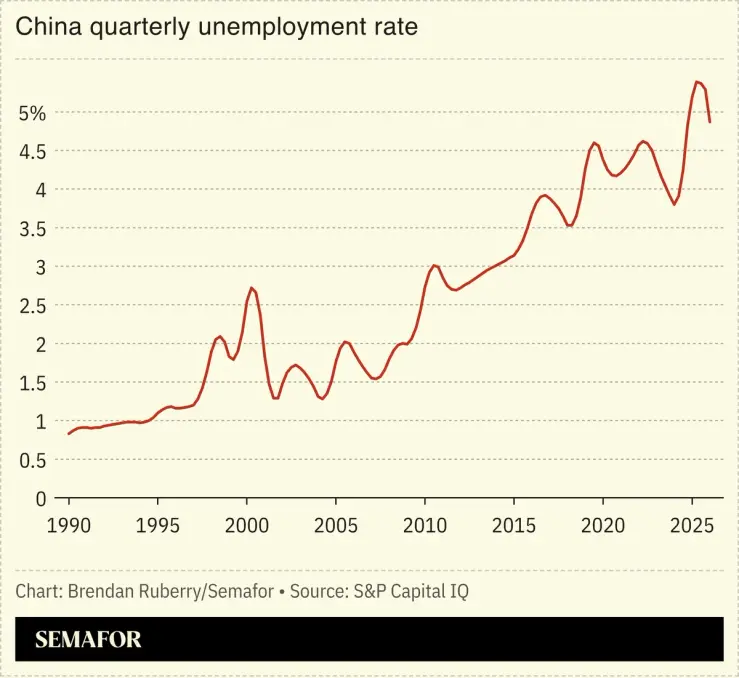
Core unemployment is hovering near record highs, according to data released this week. Growth in investment, industrial production, and retail sales all slowed in April. And corporate earnings are lagging behind stock market valuations.

fdfdfd

China looks for signs of optimism in its housing market (Kopiuj)

Czas czytania: 1 min

Economists debated whether there’s light at the end of the tunnel for China’s multiyear property slump.

Home prices in the country’s largest cities have ticked up this year, and sellers’ “panic listings” have fallen.

Some analysts “see a turning point” in the crisis and predict home prices will start recovering later this year, The New York Times wrote.

Others argue the uptick in prices is just a lull before another downturn. China’s economy still faces steep challenges.

Core unemployment is hovering near record highs, according to data released this week. Growth in investment, industrial production, and retail sales all slowed in April. And corporate earnings are lagging behind stock market valuations.

fdfdfd

China looks for signs of optimism in its housing market (Kopiuj)

Czas czytania: 1 min

Economists debated whether there’s light at the end of the tunnel for China’s multiyear property slump.

Home prices in the country’s largest cities have ticked up this year, and sellers’ “panic listings” have fallen.

Some analysts “see a turning point” in the crisis and predict home prices will start recovering later this year, The New York Times wrote.

Others argue the uptick in prices is just a lull before another downturn. China’s economy still faces steep challenges.

Core unemployment is hovering near record highs, according to data released this week. Growth in investment, industrial production, and retail sales all slowed in April. And corporate earnings are lagging behind stock market valuations.

fdfdfd

China looks for signs of optimism in its housing market

Czas czytania: 1 min

Economists debated whether there’s light at the end of the tunnel for China’s multiyear property slump.

Home prices in the country’s largest cities have ticked up this year, and sellers’ “panic listings” have fallen.

Some analysts “see a turning point” in the crisis and predict home prices will start recovering later this year, The New York Times wrote.

Others argue the uptick in prices is just a lull before another downturn. China’s economy still faces steep challenges.

Core unemployment is hovering near record highs, according to data released this week. Growth in investment, industrial production, and retail sales all slowed in April. And corporate earnings are lagging behind stock market valuations.

fdfdfd