MŚP vs. duże korporacje – kto lepiej wykorzystuje sztuczną inteligencję?

sztuczna inteligencja, AI
Najnowsze badanie przeprowadzone wśród 600 specjalistów IT wykazało, że sektor małych i średnich przedsiębiorstw (MŚP) zdecydowanie bardziej docenia możliwości i korzyści płynące ze stosowania sztucznej inteligencji w porównaniu do dużych korporacji. Aż 95% ankietowanych pracowników MŚP wyraziło przekonanie, że generatywna sztuczna inteligencja otwiera przed ich firmami nowe możliwości zwiększenia przychodów oraz poprawy jakości obsługi klienta.

Niedawna ankieta przeprowadzona wśród 600 specjalistów IT ujawniła, że małe i średnie firmy (sektor MŚP) są bardziej przekonane do sztucznej inteligencji i korzyści z niej płynących, niż duże przedsiębiorstwa. Zdecydowana większość (95%) specjalistów IT pracujących w sektorze MŚP czuje się pewnie, jeśli chodzi o wykorzystanie generatywnej sztucznej inteligencji w swojej pracy i widzi większe możliwości wzrostu przychodów dzięki tej technologii.

Rozwój nowej technologii generatywnej sztucznej inteligencji demokratyzuje innowacje i pozwala małym i średnim firmom konkurować na bardziej wyrównanych warunkach. Badania pokazują, że dzięki zastosowaniu sztucznej inteligencji małe i średnie firmy już teraz uzyskują głębszy wgląd w biznes, zwiększają przychody oraz poprawiają jakość obsługi klienta.

Małe i średnie firmy napędzają wzrost dzięki sztucznej inteligencji, podczas gdy duże przedsiębiorstwa koncentrują się na wydajności operacyjnej.

Trzy najważniejsze korzyści ze sztucznej inteligencji dla małych i średnich firm:
·       Lepszy wgląd w biznes
·       Zwiększenie przychodów
·       Lepsza obsługa klienta

Trzy największe korzyści ze sztucznej inteligencji dla dużych przedsiębiorstw:
·       Automatyzacja rutynowych zadań
·       Zwiększenie wydajności
·       Lepsza obsługa klienta

Duże przedsiębiorstwa zmagają się ze wdrażaniem nowych technologii, takich jak sztuczna inteligencja, częściej niż małe i średnie firmy

Zespoły IT w dużych przedsiębiorstwach pięciokrotnie częściej, niż zespoły IT w małych i średnich firmach, zmagają się z takimi problemami, jak równoważenie szybkości, wartości biznesowej i bezpieczeństwa, które mają miejsce podczas wdrażania nowych technologii, takich jak sztuczna inteligencja. Ponad dwukrotnie częściej martwią się także o to, że infrastruktura zarządzania danymi w ich organizacji, podobnie infrastruktura ds. bezpieczeństwa nie nadążą za zapotrzebowaniem na innowacje.

– Sztuczna inteligencja wyrównuje szanse małych i średnich firm. Dzięki generatywnej sztucznej inteligencji, która przejmuje większość powtarzalnych, a czasem żmudnych zadań w ramach w pełni połączonego pakietu produktów, zespoły MŚP nagle mają więcej czasu na bardziej strategiczną i wartościową pracę, taką jak nawiązywanie kontaktów z potencjalnymi klientami i partnerami. W rezultacie mogą działać równie szybko – lub szybciej – niż większe firmy, jednocześnie znacznie poprawiając jakość obsługi klientakomentuje Kristopher Billmaier, dyrektor generalny Salesforce Starter Suite.

China looks for signs of optimism in its housing market (Kopiuj)

Czas czytania: 1 min

Economists debated whether there’s light at the end of the tunnel for China’s multiyear property slump.

Home prices in the country’s largest cities have ticked up this year, and sellers’ “panic listings” have fallen.

Some analysts “see a turning point” in the crisis and predict home prices will start recovering later this year, The New York Times wrote.

Others argue the uptick in prices is just a lull before another downturn. China’s economy still faces steep challenges.

Core unemployment is hovering near record highs, according to data released this week. Growth in investment, industrial production, and retail sales all slowed in April. And corporate earnings are lagging behind stock market valuations.

fdfdfd

China looks for signs of optimism in its housing market (Kopiuj)

Czas czytania: 1 min

Economists debated whether there’s light at the end of the tunnel for China’s multiyear property slump.

Home prices in the country’s largest cities have ticked up this year, and sellers’ “panic listings” have fallen.

Some analysts “see a turning point” in the crisis and predict home prices will start recovering later this year, The New York Times wrote.

Others argue the uptick in prices is just a lull before another downturn. China’s economy still faces steep challenges.

Core unemployment is hovering near record highs, according to data released this week. Growth in investment, industrial production, and retail sales all slowed in April. And corporate earnings are lagging behind stock market valuations.

fdfdfd

China looks for signs of optimism in its housing market (Kopiuj)

Czas czytania: 1 min

Economists debated whether there’s light at the end of the tunnel for China’s multiyear property slump.

Home prices in the country’s largest cities have ticked up this year, and sellers’ “panic listings” have fallen.

Some analysts “see a turning point” in the crisis and predict home prices will start recovering later this year, The New York Times wrote.

Others argue the uptick in prices is just a lull before another downturn. China’s economy still faces steep challenges.

Core unemployment is hovering near record highs, according to data released this week. Growth in investment, industrial production, and retail sales all slowed in April. And corporate earnings are lagging behind stock market valuations.

fdfdfd

China looks for signs of optimism in its housing market

Czas czytania: 1 min

Economists debated whether there’s light at the end of the tunnel for China’s multiyear property slump.

Home prices in the country’s largest cities have ticked up this year, and sellers’ “panic listings” have fallen.

Some analysts “see a turning point” in the crisis and predict home prices will start recovering later this year, The New York Times wrote.

Others argue the uptick in prices is just a lull before another downturn. China’s economy still faces steep challenges.

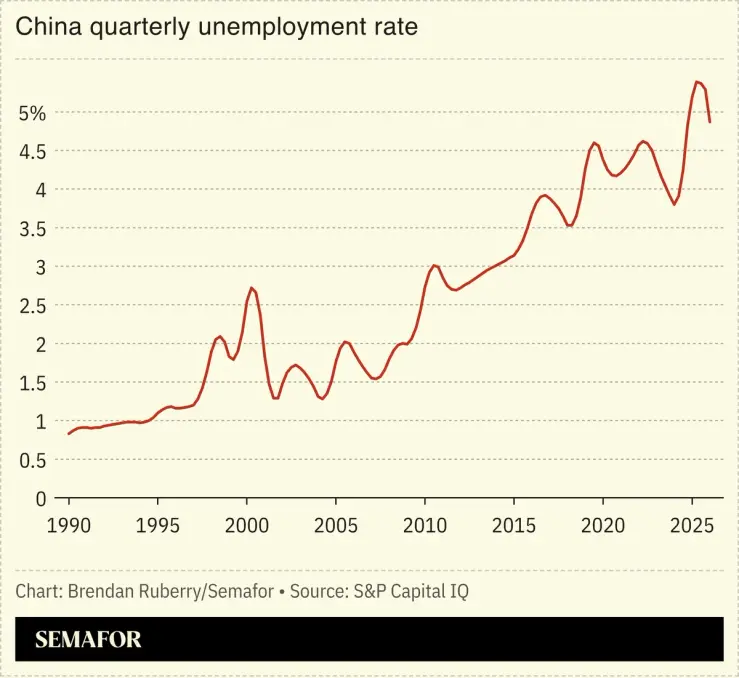
Core unemployment is hovering near record highs, according to data released this week. Growth in investment, industrial production, and retail sales all slowed in April. And corporate earnings are lagging behind stock market valuations.

fdfdfd