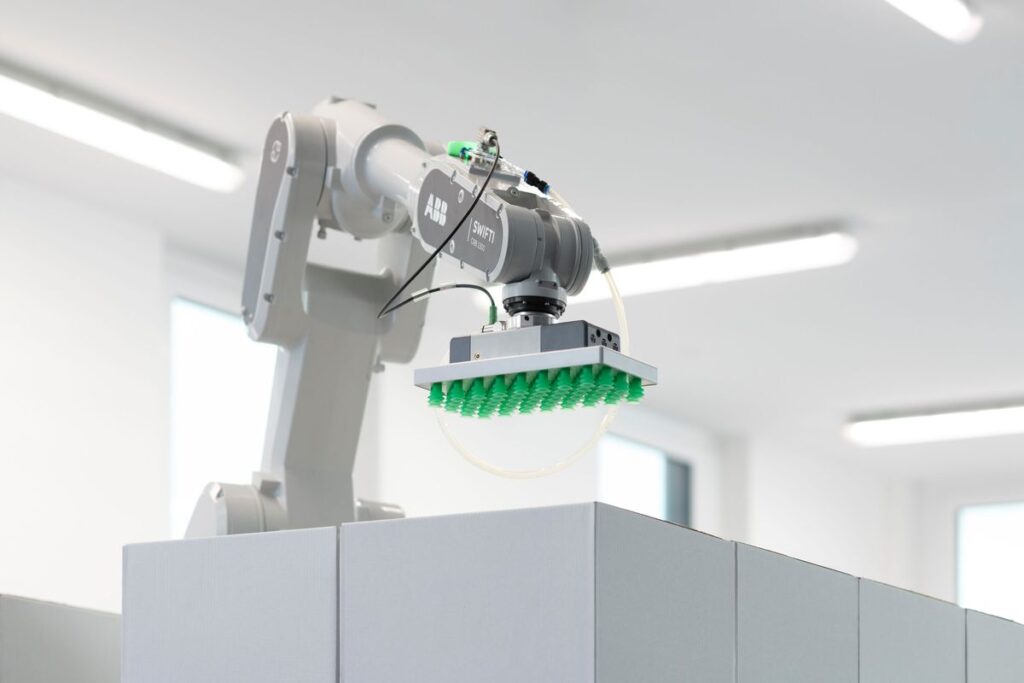
AI albo przepaść – sztuczna inteligencja w przemyśle wywoła rewolucję w 2024 roku?

przemysł 4.0, sztuczna inteligencja w przemyśle
Znaczenie sztucznej inteligencji generatywnej (GenAI) w przemyśle rośnie, a technologia ta zajmuje coraz wyższe miejsce na liście technologicznych priorytetów firm. Wyniki raportu "State of Smart Manufacturing" wskazują, że 83% przedsiębiorstw z sektora wytwórczego planuje inwestycje w AI w bieżącym roku, mimo że wykorzystanie danych, kluczowych dla działania AI, pozostaje wyzwaniem, z którym efektywnie radzi sobie zaledwie 40% firm.

Znaczenie GenAI w przemyśle, która zajmuje czołowe miejsce na liście technologicznych priorytetów, rośnie. Z najnowszego raportu „State of Smart Manufacturing” wynika, że aż 83 proc. firm z sektora wytwórczego planuje inwestycje w sztuczną inteligencję (AI) w tym roku. Jednak wyzwaniem jest właściwe wykorzystanie danych, z których żyje AI. Efektywnie wykorzystuje je zaledwie 2 na 5 firm. 

Masowa inwestycja w AI przez przemysł w 2024

Świat od ponad roku przeżywa fascynację technologią AI, zwłaszcza jej generatywnymi zdolnościami, a przemysł nie pozostaje w tyle. Wyniki, przedstawione w raporcie „State of Smart Manufacturing” firmy Rockwell Automation, mówią same za siebie: aż 83% liderów branży przemysłowej deklaruje, że już w 2024 roku zamierzają pełnymi garściami czerpać z dobrodziejstw sztucznej inteligencji.

 — “AI albo nic”, taki jest dzisiaj trend. Symbolizuje on przejście od eksperymentalnego stosowania AI do uznania jej jako fundamentalnego komponentu strategii biznesowej — mówi Paweł Rutkowski, Director, Product Development & Research z BPSC. 

Słowa eksperta pokrywają się z wnioskami z raportu „State of Smart Manufacturing Report”, w którym czytamy, że AI zajmuje centralne miejsce w strategiach technologicznych oraz roadmapach rozwoju. Zdaniem respondentów, większy zwrot z inwestycji niż oferowany przez ogólne rozwiązania AI zapewniają jedynie technologie chmury obliczeniowej oraz oprogramowanie dostarczane jako usługa (Cloud / SaaS). 

AI podkręci wydatki 

W obliczu zewnętrznych wyzwań, takich jak inflacja i rosnące koszty energii, mogłoby się wydawać, że przedsiębiorstwa produkcyjne będą zmuszone do redukcji wydatków, w tym inwestycji w nowe technologie. Jednak rzeczywistość jest odmienna. Deklaracje ankietowanych wskazują na przeciwny kierunek – wydatki na technologię wzrosną; z 23% budżetu operacyjnego w 2023 do 30% w 2024. Takie zwiększenie inwestycji podkreśla determinację producentów do wykorzystania nowych technologii. Czy jest coś, co może zburzyć, ten niemal idealny scenariusz? Owszem i są to same firmy. Jak się okazuje, dane, z których sztuczna inteligencja żyje, są przez firmy marnotrawione. O co dokładnie chodzi? Wspomniany już raport Rockwell Automation obnaża surową prawdę: badane firmy marnują aż 56% danych przemysłowych, nie wykorzystując ich potencjału. — Nieefektywne wykorzystanie danych jest poważnym problemem, prowadzącym do utraty potencjału optymalizacyjnego. Nie jest to nowy problem, ale w przypadku AI może mieć bardzo kosztowne konsekwencje i manifestować się na wielu poziomach w organizacji — mówi Paweł Rutkowski i dodaje: — Kluczowa jest centralizacja i integracja danych z różnych działów, co jest fundamentem dla skutecznego wykorzystania AI. Nieefektywne wykorzystanie danych może być istotnym hamulcem rozwoju i innowacyjności. W ekstremalnych przypadkach sprawi, że wdrożenie będzie porażką i alokowane środki zostaną zmarnowane kwituje ekspert z BPSC. 

źródło: BPSC

China looks for signs of optimism in its housing market (Kopiuj)

Czas czytania: 1 min

Economists debated whether there’s light at the end of the tunnel for China’s multiyear property slump.

Home prices in the country’s largest cities have ticked up this year, and sellers’ “panic listings” have fallen.

Some analysts “see a turning point” in the crisis and predict home prices will start recovering later this year, The New York Times wrote.

Others argue the uptick in prices is just a lull before another downturn. China’s economy still faces steep challenges.

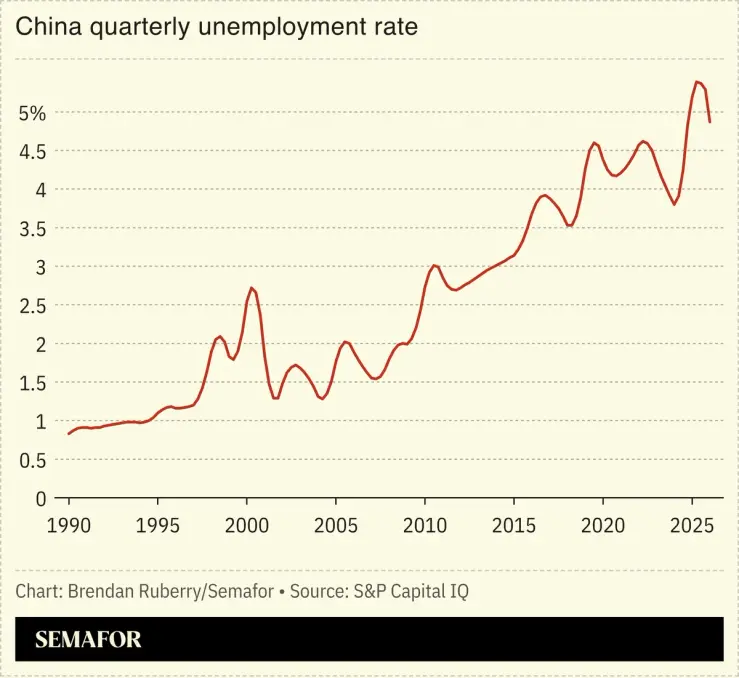
Core unemployment is hovering near record highs, according to data released this week. Growth in investment, industrial production, and retail sales all slowed in April. And corporate earnings are lagging behind stock market valuations.

fdfdfd

China looks for signs of optimism in its housing market (Kopiuj)

Czas czytania: 1 min

Economists debated whether there’s light at the end of the tunnel for China’s multiyear property slump.

Home prices in the country’s largest cities have ticked up this year, and sellers’ “panic listings” have fallen.

Some analysts “see a turning point” in the crisis and predict home prices will start recovering later this year, The New York Times wrote.

Others argue the uptick in prices is just a lull before another downturn. China’s economy still faces steep challenges.

Core unemployment is hovering near record highs, according to data released this week. Growth in investment, industrial production, and retail sales all slowed in April. And corporate earnings are lagging behind stock market valuations.

fdfdfd

China looks for signs of optimism in its housing market (Kopiuj)

Czas czytania: 1 min

Economists debated whether there’s light at the end of the tunnel for China’s multiyear property slump.

Home prices in the country’s largest cities have ticked up this year, and sellers’ “panic listings” have fallen.

Some analysts “see a turning point” in the crisis and predict home prices will start recovering later this year, The New York Times wrote.

Others argue the uptick in prices is just a lull before another downturn. China’s economy still faces steep challenges.

Core unemployment is hovering near record highs, according to data released this week. Growth in investment, industrial production, and retail sales all slowed in April. And corporate earnings are lagging behind stock market valuations.

fdfdfd

China looks for signs of optimism in its housing market

Czas czytania: 1 min

Economists debated whether there’s light at the end of the tunnel for China’s multiyear property slump.

Home prices in the country’s largest cities have ticked up this year, and sellers’ “panic listings” have fallen.

Some analysts “see a turning point” in the crisis and predict home prices will start recovering later this year, The New York Times wrote.

Others argue the uptick in prices is just a lull before another downturn. China’s economy still faces steep challenges.

Core unemployment is hovering near record highs, according to data released this week. Growth in investment, industrial production, and retail sales all slowed in April. And corporate earnings are lagging behind stock market valuations.

fdfdfd