Intel nie wierzy w ARM, ale czy faktycznie jest tak niezatapialnym statkiem?

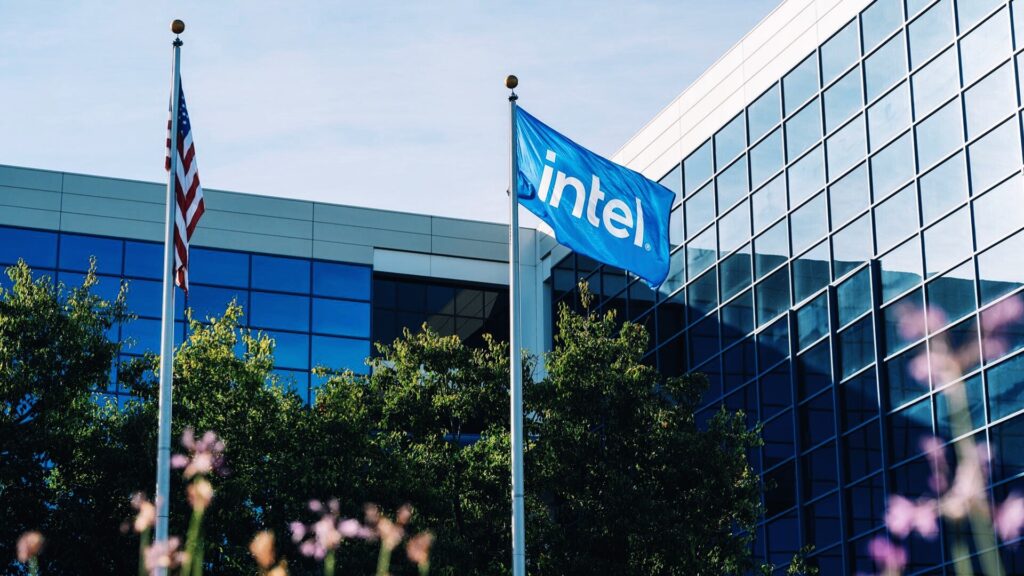
Intel, siedziba
źródło: Intel/newsroom

Podczas gdy Pat Gelsinger, dyrektor generalny Intela, pozostaje nieugięty wobec narastającego uderzenia ARM, jego ostatnie uwagi podczas rozmowy telefonicznej o wynikach kwartalnych brzmią niczym zapewnienia kapitana Titanica, że statek jest niezatapialny. Czy może, podobnie jak wielu przed nim, Gelsinger niedocenia technologicznego lodowca, na którym jest napisane „ARM„?

Intel od dawna jest mistrzem, jeśli chodzi o rynek procesorów, ale utrata Apple jako klienta i wejście na rynek nowych, wpływowych graczy powinna posłużyć jako sygnał ostrzegawczy, że wiatry zmiany już zawitały. ARM, często bagatelizowany jako malutki bokser w wadze ciężkiej, zaczyna pokazywać mięśnie, których nie można ignorować.

Z pewnością, próby Microsoftu wdrożenia ARM w systemie Windows do tej pory przypominają opowieść o wielkich nadziejach i porażkach. Ale to, że coś nie powiodło się w przeszłości, nie jest gwarantem kolejnych porażek– to raczej przestroga, by patrzeć szerzej i uważniej.

Historia sukcesu Intela nie zapewni automatycznie zwycięstwa w przyszłości. NVIDIA i Qualcomm już pokazują, że ARM ma potencjał, by przewrócić stoły – i to nie na korzyść Intela.

Nie można też zapominać o Apple, które odważnie opuściło Intelowski okręt na rzecz własnych procesorów ARM. Wyniki? Linie Maców otrzymują pochwały za wydajność i efektywność, a Intel może jedynie patrzeć, jak jego udział w rynku PC zmniejsza się o znaczące 8,6 procent.

Co więcej, gdy Gelsinger deklaruje, że nie boi się ARM i że Intel Foundry Services chętnie podejmie wyzwanie produkcji tych chipów, słychać między słowami echo niepewności. Intel może i przyjmie ARM z otwartymi ramionami, ale czy nie jest to gest dyktowany desperacją i groźbą zmniejszonych marż, niż prawdziwą wiarą w różnorodność technologiczną?

To prawda, że ARM musi jeszcze wykazać się na polu bitwy zdominowanym przez system Windows. Ale z każdym dniem Microsoft staje się coraz bardziej pewien architektury ARM, a programiści stopniowo rozumieją jej możliwości.

Intel stoi na rozdrożu – i to nie jest kwestia strachu, ale przystosowania. Może przyszłość nie należy do ARM, ale jedno jest pewne: lekceważenie tej technologii może skończyć się dla Intela dużo większymi stratami niż tylko procenty rynkowe. Czas, gdy historia była wyrocznią, dawno minął. Teraz to przyszłość rysuje mapę, a Intel musi zdecydować, czy chce być na niej zaznaczony jako lider czy jako relikt przeszłości.

China looks for signs of optimism in its housing market (Kopiuj)

Czas czytania: 1 min

Economists debated whether there’s light at the end of the tunnel for China’s multiyear property slump.

Home prices in the country’s largest cities have ticked up this year, and sellers’ “panic listings” have fallen.

Some analysts “see a turning point” in the crisis and predict home prices will start recovering later this year, The New York Times wrote.

Others argue the uptick in prices is just a lull before another downturn. China’s economy still faces steep challenges.

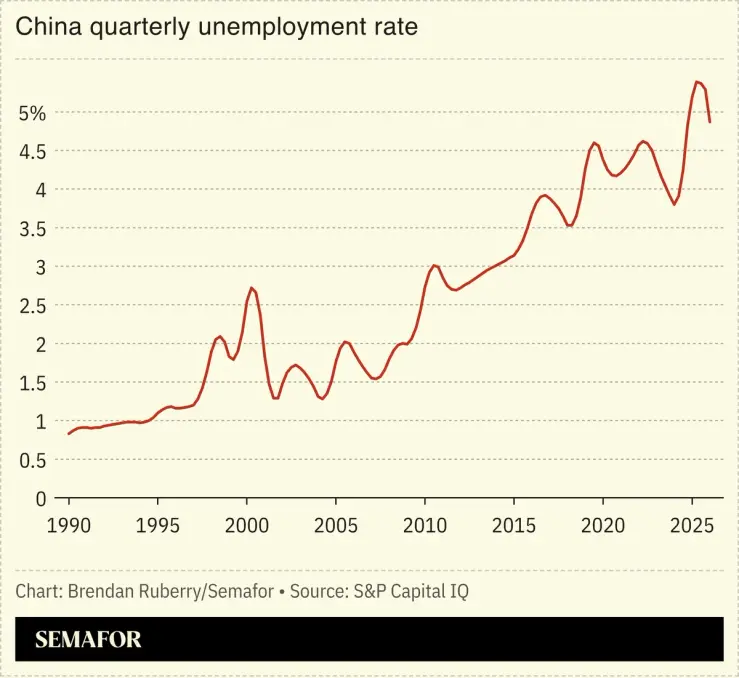
Core unemployment is hovering near record highs, according to data released this week. Growth in investment, industrial production, and retail sales all slowed in April. And corporate earnings are lagging behind stock market valuations.

fdfdfd

China looks for signs of optimism in its housing market (Kopiuj)

Czas czytania: 1 min

Economists debated whether there’s light at the end of the tunnel for China’s multiyear property slump.

Home prices in the country’s largest cities have ticked up this year, and sellers’ “panic listings” have fallen.

Some analysts “see a turning point” in the crisis and predict home prices will start recovering later this year, The New York Times wrote.

Others argue the uptick in prices is just a lull before another downturn. China’s economy still faces steep challenges.

Core unemployment is hovering near record highs, according to data released this week. Growth in investment, industrial production, and retail sales all slowed in April. And corporate earnings are lagging behind stock market valuations.

fdfdfd

China looks for signs of optimism in its housing market (Kopiuj)

Czas czytania: 1 min

Economists debated whether there’s light at the end of the tunnel for China’s multiyear property slump.

Home prices in the country’s largest cities have ticked up this year, and sellers’ “panic listings” have fallen.

Some analysts “see a turning point” in the crisis and predict home prices will start recovering later this year, The New York Times wrote.

Others argue the uptick in prices is just a lull before another downturn. China’s economy still faces steep challenges.

Core unemployment is hovering near record highs, according to data released this week. Growth in investment, industrial production, and retail sales all slowed in April. And corporate earnings are lagging behind stock market valuations.

fdfdfd

China looks for signs of optimism in its housing market

Czas czytania: 1 min

Economists debated whether there’s light at the end of the tunnel for China’s multiyear property slump.

Home prices in the country’s largest cities have ticked up this year, and sellers’ “panic listings” have fallen.

Some analysts “see a turning point” in the crisis and predict home prices will start recovering later this year, The New York Times wrote.

Others argue the uptick in prices is just a lull before another downturn. China’s economy still faces steep challenges.

Core unemployment is hovering near record highs, according to data released this week. Growth in investment, industrial production, and retail sales all slowed in April. And corporate earnings are lagging behind stock market valuations.

fdfdfd