Rosja chce użyć procesorów Nvidia do budowy superkomputerów

System, technologia

W ostatnich latach technologia superkomputerów stała się kluczem do globalnej dominacji w dziedzinie badań naukowych, analizy danych i sztucznej inteligencji. Rosja, znana z ambitnych projektów technologicznych, ogłosiła plan budowy dziesięciu superkomputerów do 2030 roku. Każdy z tych komputerów miałby moc obliczeniową równą połowie mocy od 10 000 do 15 000 procesorów graficznych Nvidii. Ale czy te plany są realne w obliczu globalnych wyzwań?

Rosja i superkomputery: Nowa era obliczeń

Rosyjski projekt ma na celu przekroczenie granic możliwości obliczeniowych. Jeśli zostanie zrealizowany, każdy z tych dziesięciu superkomputerów znalazłby się w pierwszej dziesiątce najszybszych maszyn na świecie. Taka koncentracja mocy obliczeniowej miałaby kluczowe znaczenie dla trenowania zaawansowanych modeli AI, takich jak ChatGPT, które wymagają ogromnych zasobów obliczeniowych.

Kluczowym elementem tych superkomputerów miałyby być procesory graficzne Nvidia H100, które oferują 450 FP64 teraflopów mocy obliczeniowej, zbliżając się do pół eksaflopów. Dla porównania, obecnie jedynym systemem eksaskalowym w USA jest Frontier, który oferuje 1685 FP64 exaflops. Europa również dąży do tej technologicznej bariery z planowanym uruchomieniem systemu Jowisz w przyszłym roku.

Koszty i wyzwania finansowe

Chociaż koszt budowy dziesięciu takich superkomputerów wynosi obecnie około 6 miliardów dolarów, eksperci z Tom’s Hardware przewidują, że do 2030 roku koszt ten może spaść do 500-700 milionów dolarów. Jednak nawet z takim spadkiem cen, finansowanie tak ambitnego projektu będzie wymagało znaczących inwestycji.

Wyzwania logistyczne i polityczne

Ambitne plany Rosji napotykają jednak na poważne wyzwania. Od czasu konfliktu z Ukrainą, Rosja jest objęta zakazem handlu z USA w zakresie komponentów technologicznych. Jak więc Rosja zamierza zdobyć dziesiątki tysięcy procesorów graficznych Nvidii? Czy istnieje plan obejścia tych restrykcji, czy może Rosja ma alternatywne źródła dostaw?

Aktualna pozycja Rosji w rankingu superkomputerów

Obecnie najpotężniejszy superkomputer w Rosji należy do firmy Yandex i zajmuje 27. miejsce w światowym rankingu z mocą obliczeniową 21,53 petaflopów. Trzy z siedmiu rosyjskich superkomputerów wymienionych w Top 500 należą do Yandex, podczas gdy reszta jest w rękach takich gigantów jak Sberbank, MSU i MTS. Wszystkie te systemy są wyposażone w chipy Nvidia.

Na globalnej liście Top 500, Rosja zajmuje obecnie 12. miejsce, podczas gdy Stany Zjednoczone przodują z 150 maszynami, a następnie Chiny (134), Niemcy (36) i Japonia (33).

Rosja ma ambitne plany w zakresie technologii superkomputerów, ale realizacja tych planów będzie wymagała nie tylko znaczących inwestycji finansowych, ale także pokonania wyzwań logistycznych i politycznych.
China looks for signs of optimism in its housing market (Kopiuj)

Czas czytania: 1 min

Economists debated whether there’s light at the end of the tunnel for China’s multiyear property slump.

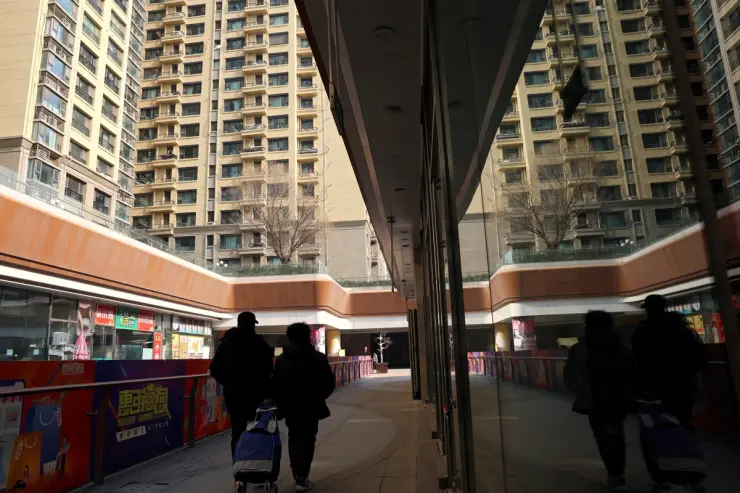
Home prices in the country’s largest cities have ticked up this year, and sellers’ “panic listings” have fallen.

Some analysts “see a turning point” in the crisis and predict home prices will start recovering later this year, The New York Times wrote.

Others argue the uptick in prices is just a lull before another downturn. China’s economy still faces steep challenges.

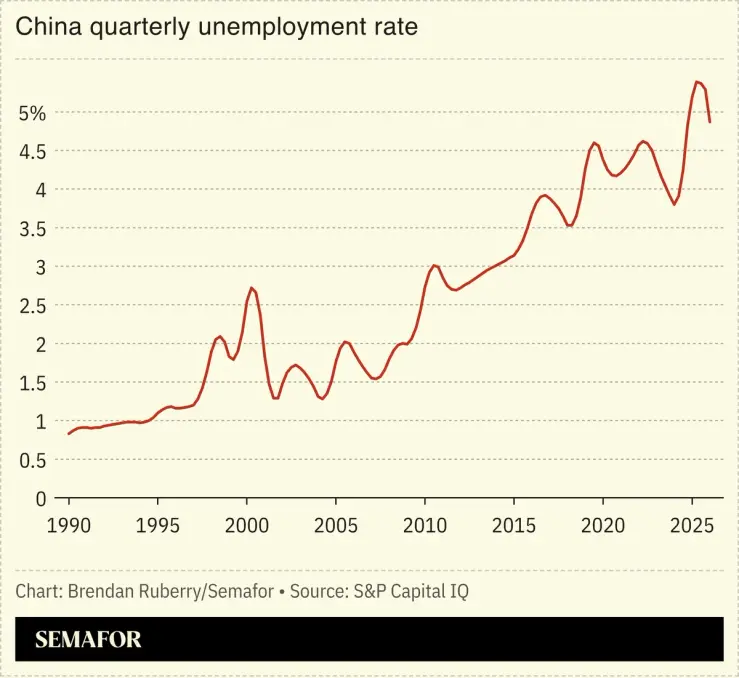
Core unemployment is hovering near record highs, according to data released this week. Growth in investment, industrial production, and retail sales all slowed in April. And corporate earnings are lagging behind stock market valuations.

fdfdfd

China looks for signs of optimism in its housing market (Kopiuj)

Czas czytania: 1 min

Economists debated whether there’s light at the end of the tunnel for China’s multiyear property slump.

Home prices in the country’s largest cities have ticked up this year, and sellers’ “panic listings” have fallen.

Some analysts “see a turning point” in the crisis and predict home prices will start recovering later this year, The New York Times wrote.

Others argue the uptick in prices is just a lull before another downturn. China’s economy still faces steep challenges.

Core unemployment is hovering near record highs, according to data released this week. Growth in investment, industrial production, and retail sales all slowed in April. And corporate earnings are lagging behind stock market valuations.

fdfdfd

China looks for signs of optimism in its housing market (Kopiuj)

Czas czytania: 1 min

Economists debated whether there’s light at the end of the tunnel for China’s multiyear property slump.

Home prices in the country’s largest cities have ticked up this year, and sellers’ “panic listings” have fallen.

Some analysts “see a turning point” in the crisis and predict home prices will start recovering later this year, The New York Times wrote.

Others argue the uptick in prices is just a lull before another downturn. China’s economy still faces steep challenges.

Core unemployment is hovering near record highs, according to data released this week. Growth in investment, industrial production, and retail sales all slowed in April. And corporate earnings are lagging behind stock market valuations.

fdfdfd

China looks for signs of optimism in its housing market

Czas czytania: 1 min

Economists debated whether there’s light at the end of the tunnel for China’s multiyear property slump.

Home prices in the country’s largest cities have ticked up this year, and sellers’ “panic listings” have fallen.

Some analysts “see a turning point” in the crisis and predict home prices will start recovering later this year, The New York Times wrote.

Others argue the uptick in prices is just a lull before another downturn. China’s economy still faces steep challenges.

Core unemployment is hovering near record highs, according to data released this week. Growth in investment, industrial production, and retail sales all slowed in April. And corporate earnings are lagging behind stock market valuations.

fdfdfd