Jarosław Mikos nowym prezesem WeNet Group S.A.

Jarosław Mikos

Z początkiem czerwca br. Jarosław Mikos został prezesem zarządu WeNet Group S.A., spółki specjalizującej się w doradztwie internetowym. Na stanowisku zastąpił Michała Wrzesińskiego, który wrócił, jako wiceprzewodniczący, do rady nadzorczej. Wcześniej od kwietnia br. Jarosław Mikos jako członek rady nadzorczej wspierał działania zarządu, mające na celu wzmocnienie pozycji WeNet, jako lidera transformacji technologicznej w sektorze małych i średnich przedsiębiorstw. Michał Wrzesiński jako członek rady nadzorczej będzie wspierał rozwój oferty spółki oraz nawiązywanie partnerstw międzynarodowych.

„WeNet jest liderem transformacji cyfrowej małych i średnich przedsiębiorstw w Polsce. Jako pionier digitalizacji, spółka ma olbrzymi potencjał wzrostu poprzez innowacje produktowe z wykorzystaniem technologii AI oraz dobre zrozumienie potrzeb i aspiracji naszych klientów. Objęcie funkcji prezesa zarządu w Grupie WeNet stanowi dla mnie inspirujące wyzwanie zawodowe. Moim celem jest ugruntowanie pozycji spółki jako lidera rynku”

Jarosław Mikos

Jarosław Mikos ukończył studia prawnicze na Wydziale Prawa i Administracji Uniwersytetu Warszawskiego. Działalność zawodową rozpoczął w 1995 roku w firmie Deloitte & Touche w Departamencie Doradztwa Gospodarczego. Od 1996 roku w Coopers & Lybrand, jako senior konsultant. W latach 1997-1999 był managerem w londyńskim biurze PwC, a następnie wicedyrektorem w Departamencie M&A i Prywatyzacji. Od 2000 roku był związany z Energis Polska, najpierw jako członek zarządu odpowiedzialny za rozwój biznesu, następnie, jako CFO a od 2002 roku CEO tej firmy. W 2005 roku doprowadził do połączenia Energis Polska z GTS Polska, w której to spółce pozostał prezesem zarządu. W latach 2006-2010 prowadził własną działalność inwestycyjną. W latach 2011-2013 był prezesem Magna Polonia, gdzie przeprowadził proces restrukturyzacji funduszu, a od 2013 do 2017 roku związany z Grupą Wirtualna Polska, jako przewodniczący rady nadzorczej oddelegowany do nadzoru nad zarządem spółki.

Pod koniec 2017 roku Jarosław Mikos został prezesem zarządu spółki Polskie ePłatności S.A., jednego z trzech największych na polskim rynku operatorów terminali płatniczych.

Od listopada 2021 roku jako przewodniczący rady nadzorczej, a następnie prezes zarządu, stał na czele IAI S.A., firmy specjalizującej się w dostawach oprogramowania m.in. dla sklepów internetowych.

Jarosław Mikos, dzięki 20-letniemu doświadczeniu w zarządzaniu i doradztwie, posiada bogatą wiedzę na temat budowania sprawnych i szybko rozwijających się organizacji. Jego atutem jest również znajomość praw rządzących rynkiem FinTech, w szczególności w branży e-commerce. Ma na swoim koncie sukcesy w zwiększaniu sprzedaży, przekształceniach, restrukturyzacjach, fuzjach i przejęciach oraz optymalizacji kosztów firm. Jest twórcą zwycięskich zespołów i inspirującym mentorem.

Mikos zastąpił na stanowisku Przemysława Żura, piastującego je od października, który był związany ze spółką od 2020 roku.

China looks for signs of optimism in its housing market (Kopiuj)

Czas czytania: 1 min

Economists debated whether there’s light at the end of the tunnel for China’s multiyear property slump.

Home prices in the country’s largest cities have ticked up this year, and sellers’ “panic listings” have fallen.

Some analysts “see a turning point” in the crisis and predict home prices will start recovering later this year, The New York Times wrote.

Others argue the uptick in prices is just a lull before another downturn. China’s economy still faces steep challenges.

Core unemployment is hovering near record highs, according to data released this week. Growth in investment, industrial production, and retail sales all slowed in April. And corporate earnings are lagging behind stock market valuations.

fdfdfd

China looks for signs of optimism in its housing market (Kopiuj)

Czas czytania: 1 min

Economists debated whether there’s light at the end of the tunnel for China’s multiyear property slump.

Home prices in the country’s largest cities have ticked up this year, and sellers’ “panic listings” have fallen.

Some analysts “see a turning point” in the crisis and predict home prices will start recovering later this year, The New York Times wrote.

Others argue the uptick in prices is just a lull before another downturn. China’s economy still faces steep challenges.

Core unemployment is hovering near record highs, according to data released this week. Growth in investment, industrial production, and retail sales all slowed in April. And corporate earnings are lagging behind stock market valuations.

fdfdfd

China looks for signs of optimism in its housing market (Kopiuj)

Czas czytania: 1 min

Economists debated whether there’s light at the end of the tunnel for China’s multiyear property slump.

Home prices in the country’s largest cities have ticked up this year, and sellers’ “panic listings” have fallen.

Some analysts “see a turning point” in the crisis and predict home prices will start recovering later this year, The New York Times wrote.

Others argue the uptick in prices is just a lull before another downturn. China’s economy still faces steep challenges.

Core unemployment is hovering near record highs, according to data released this week. Growth in investment, industrial production, and retail sales all slowed in April. And corporate earnings are lagging behind stock market valuations.

fdfdfd

China looks for signs of optimism in its housing market

Czas czytania: 1 min

Economists debated whether there’s light at the end of the tunnel for China’s multiyear property slump.

Home prices in the country’s largest cities have ticked up this year, and sellers’ “panic listings” have fallen.

Some analysts “see a turning point” in the crisis and predict home prices will start recovering later this year, The New York Times wrote.

Others argue the uptick in prices is just a lull before another downturn. China’s economy still faces steep challenges.

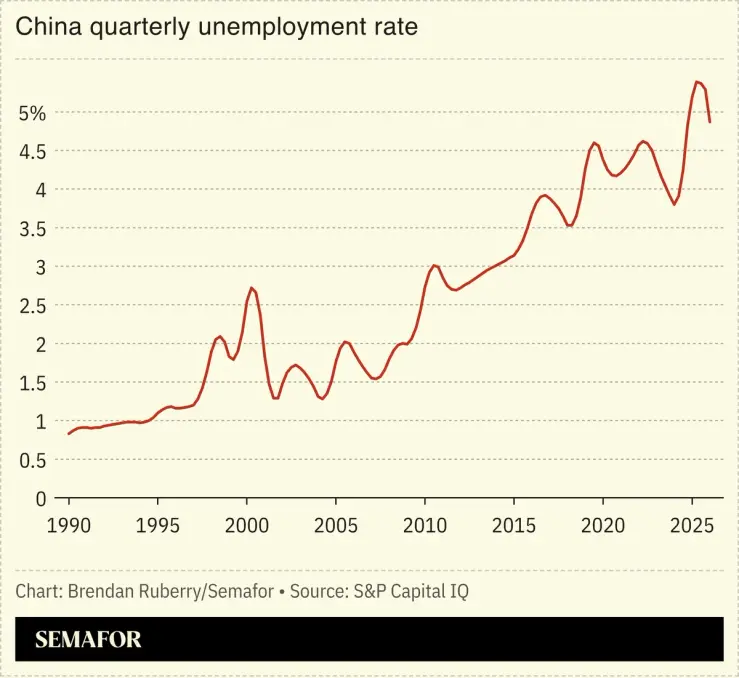
Core unemployment is hovering near record highs, according to data released this week. Growth in investment, industrial production, and retail sales all slowed in April. And corporate earnings are lagging behind stock market valuations.

fdfdfd