Na ratunek Credit Suisse, czyli jak zgrabnie przeprowadzona fuzja wpłynie na światowy sektor bankowy

W niedzielę gruchnęła wiadomość o tym, że Credit Suisse zostanie przejęty przez największy bank szwajcarski UBS. Chociaż transakcja jest niepokojąca z kilku powodów, pod względem przestrzeni zarządzania prywatnym majątkiem tworzy supermocarstwo, które może zdominować branżę. Połączenie dwóch wiodących szwajcarskich banków tworzy połączony bank prywatny z prawie 4 bln USD aktywów klientów na koniec 2022 r., czyli 6,2%* rynku HNW, mierzonego przez Wealth Markets Analytics firmy GlobalData.

Chociaż na papierze ten ruch wygląda na całkiem zgrabne rozwiązanie przy minimalnej interwencji rządu, prawdopodobnie spowoduje poważne problemy z konkurencją. Najbliżsi rywale szwajcarskiego banku w zakresie majątku prywatnego, Morgan Stanley (z globalnym AUM w 2022 r. w wysokości 1,7 bln USD) i Bank of America (z globalnym AUM w 2022 r. w wysokości 1,4 bln USD), stanowiliby łącznie tylko 78% jego prywatnego majątku AUM. Julius Baer – najbliższy konkurent banku szwajcarskiego – zakończył 2022 rok z 458,6 miliardami dolarów.

Wszystkie te portfele klientów są imponująco duże, ale są znacznie przyćmione przez połączone UBS/Credit Suisse. W Stanach Zjednoczonych, gdzie Credit Suisse nie prowadzi działalności w zakresie zarządzania majątkiem na lądzie, Bank of America, Morgan Stanley i inne wiodące lokalne banki prywatne są wystarczająco duże, by rzucić wyzwanie połączonemu podmiotowi. Jednak poza Stanami Zjednoczonymi dysproporcja wielkości jest rażąca, a na rynku szwajcarskim problemy z konkurencją są nieuniknione. Łączne aktywa AUM szwajcarskich operacji Credit Suisse i UBS wyniosły 779 miliardów dolarów na koniec 2022 roku, podczas gdy ich najbliższy rywal Julius Baer zarządzał 64 miliardami dolarów od klientów z siedzibą w Szwajcarii (najlepsze przybliżone porównanie).

Wymuszona fuzja rozwiązuje bezpośredni kryzys w Credit Suisse. Konkurencja w przestrzeni zarządzania majątkiem prywatnym będzie jednak kosztować – zwłaszcza w Szwajcarii. Zarówno organy regulacyjne, jak i konkurenci będą musieli zająć się zasadniczą utratą konkurencji, rozważając strategiczne decyzje w latach 2023–2024.


*Zmierzone w stosunku do płynnych aktywów inwestorów HNW, choć należy podkreślić, że jest to tylko orientacyjna miara udziału w rynku ze względu na nieco inny początek wyceny aktywów. AUM klienta UBS i Credit Suisse zawierają sporą ilość prywatnych aktywów, które nie są wliczane do płynnej (i publicznej) wartości aktywów GlobalData, podczas gdy banki nie konkurują ze sobą na wszystkich 73 rynkach objętych analizą rynków bogactwa GlobalData.

Autorem komentarza jest Andrew Haslip, Szef działu zarządzania majątkiem w GlobalData

China looks for signs of optimism in its housing market (Kopiuj)

Czas czytania: 1 min

Economists debated whether there’s light at the end of the tunnel for China’s multiyear property slump.

Home prices in the country’s largest cities have ticked up this year, and sellers’ “panic listings” have fallen.

Some analysts “see a turning point” in the crisis and predict home prices will start recovering later this year, The New York Times wrote.

Others argue the uptick in prices is just a lull before another downturn. China’s economy still faces steep challenges.

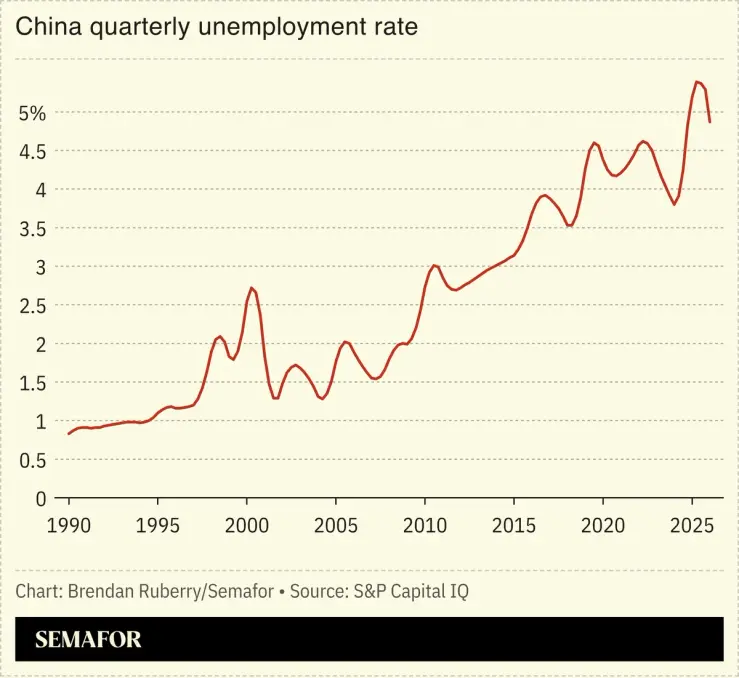
Core unemployment is hovering near record highs, according to data released this week. Growth in investment, industrial production, and retail sales all slowed in April. And corporate earnings are lagging behind stock market valuations.

fdfdfd

China looks for signs of optimism in its housing market (Kopiuj)

Czas czytania: 1 min

Economists debated whether there’s light at the end of the tunnel for China’s multiyear property slump.

Home prices in the country’s largest cities have ticked up this year, and sellers’ “panic listings” have fallen.

Some analysts “see a turning point” in the crisis and predict home prices will start recovering later this year, The New York Times wrote.

Others argue the uptick in prices is just a lull before another downturn. China’s economy still faces steep challenges.

Core unemployment is hovering near record highs, according to data released this week. Growth in investment, industrial production, and retail sales all slowed in April. And corporate earnings are lagging behind stock market valuations.

fdfdfd

China looks for signs of optimism in its housing market (Kopiuj)

Czas czytania: 1 min

Economists debated whether there’s light at the end of the tunnel for China’s multiyear property slump.

Home prices in the country’s largest cities have ticked up this year, and sellers’ “panic listings” have fallen.

Some analysts “see a turning point” in the crisis and predict home prices will start recovering later this year, The New York Times wrote.

Others argue the uptick in prices is just a lull before another downturn. China’s economy still faces steep challenges.

Core unemployment is hovering near record highs, according to data released this week. Growth in investment, industrial production, and retail sales all slowed in April. And corporate earnings are lagging behind stock market valuations.

fdfdfd

China looks for signs of optimism in its housing market

Czas czytania: 1 min

Economists debated whether there’s light at the end of the tunnel for China’s multiyear property slump.

Home prices in the country’s largest cities have ticked up this year, and sellers’ “panic listings” have fallen.

Some analysts “see a turning point” in the crisis and predict home prices will start recovering later this year, The New York Times wrote.

Others argue the uptick in prices is just a lull before another downturn. China’s economy still faces steep challenges.

Core unemployment is hovering near record highs, according to data released this week. Growth in investment, industrial production, and retail sales all slowed in April. And corporate earnings are lagging behind stock market valuations.

fdfdfd