Reid Hoffman, współzałożyciel LinkedIn, opuszcza zarząd Microsoftu

LinkedIn
Miliarder i współzałożyciel LinkedIn Reid Hoffman zapowiedział, że podczas zaplanowanego na 2026 rok walnego zgromadzenia akcjonariuszy ustąpi z rady dyrektorów Microsoftu. Ten strategiczny ruch zamyka niemal dekadę formalnej obecności inwestora w strukturach giganta z Redmond i sygnalizuje jego powrót do bezpośredniego budowania startupów technologicznych.

Reid Hoffman, miliarder i współzałożyciel platformy LinkedIn, zdecydował o rezygnacji z ubiegania się o reelekcję do rady dyrektorów Microsoftu. Zgodnie z oficjalnym zgłoszeniem do amerykańskiej Komisji Papierów Wartościowych i Giełd (SEC), decyzja ta wejdzie w życie podczas corocznego walnego zgromadzenia akcjonariuszy w 2026 roku. Koncern z Redmond wyraźnie podkreślił, że krok ten nie wynika z jakichkolwiek nieporozumień dotyczących polityki czy bieżących operacji firmy.

Decyzja ta zamyka ważny rozdział w historii giganta oprogramowania. Hoffman zasiadał w strukturach spółki od 2017 roku, co było bezpośrednim następstwem przejęcia LinkedIn w 2016 roku za kwotę 26,2 miliarda dolarów – wówczas największą akwizycję w historii Microsoftu. Pod skrzydłami korporacji platforma zawodowa rozrosła się do ponad 1,3 miliarda członków, udowadniając biznesowy sukces tamtej fuzji.

Poza nadzorowaniem rozwoju LinkedIn, Hoffman odgrywał kluczową, choć często zakulisową rolę jako strategiczny pomost między Redmond a dynamicznym ekosystemem Doliny Krzemowej. Jako doświadczony partner w funduszu Greylock Partners – znanym z wczesnego wsparcia dla takich marek jak Airbnb czy rozwijająca autonomiczną jazdę Aurora – posiadał on unikalne wyczucie trendów rynkowych. Było to szczególnie widoczne w obszarze sztucznej inteligencji. Hoffman zasiadał w przeszłości w zarządzie OpenAI, a w 2022 roku współtworzył Inflection AI. Zespół tego ostatniego startupu został zresztą później w dużej mierze wchłonięty przez Microsoft, co ugruntowało pozycję koncernu jako lidera nowej fali technologicznej.

Głównym powodem obecnego odejścia jest chęć powrotu miliardera do bezpośredniego tworzenia innowacji, czyli do tak zwanego „founder mode”. W oficjalnym komunikacie Hoffman zadeklarował zamiar pełnego skupienia się na swoim nowym projekcie – Manas AI. To startup z sektora deep tech i biofarmacji, który stawia sobie za cel wykorzystanie zaawansowanych modeli sztucznej inteligencji do radykalnego przyspieszenia prac nad odkrywaniem nowych leków onkologicznych.

Dla Microsoftu odejście Hoffmana to symboliczny koniec pewnej epoki, ale moment ten wydaje się idealnie skalkulowany. Korporacja zdążyła już zbudować bezpośrednie, warte miliardy dolarów relacje z rynkiem sztucznej inteligencji i nie potrzebuje już łączników w Dolinie Krzemowej. Z kolei dla samego inwestora to naturalna ewolucja – zamiana stabilnego fotela w korporacyjnej radzie na ryzykowny, ale potencjalnie przełomowy front walki z chorobami cywilizacyjnymi.

China looks for signs of optimism in its housing market (Kopiuj)

Czas czytania: 1 min

Economists debated whether there’s light at the end of the tunnel for China’s multiyear property slump.

Home prices in the country’s largest cities have ticked up this year, and sellers’ “panic listings” have fallen.

Some analysts “see a turning point” in the crisis and predict home prices will start recovering later this year, The New York Times wrote.

Others argue the uptick in prices is just a lull before another downturn. China’s economy still faces steep challenges.

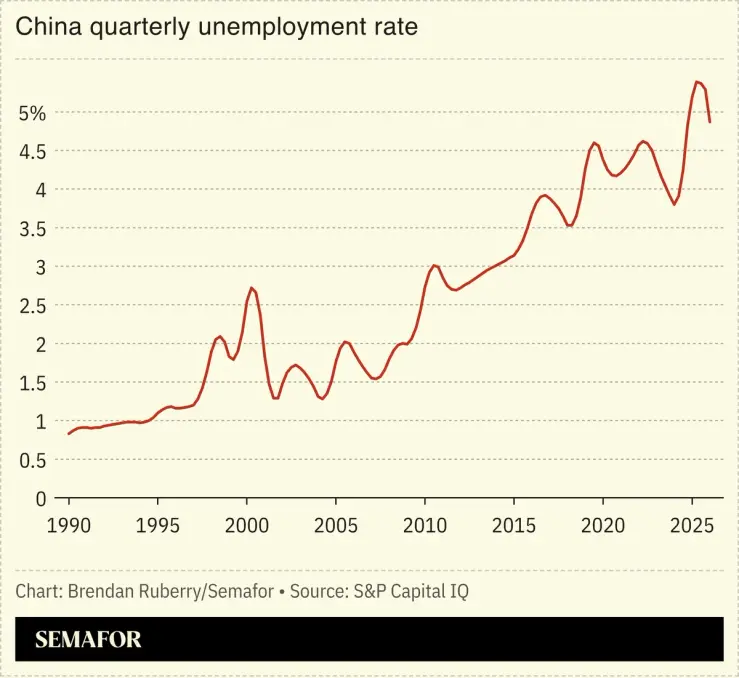
Core unemployment is hovering near record highs, according to data released this week. Growth in investment, industrial production, and retail sales all slowed in April. And corporate earnings are lagging behind stock market valuations.

fdfdfd

China looks for signs of optimism in its housing market (Kopiuj)

Czas czytania: 1 min

Economists debated whether there’s light at the end of the tunnel for China’s multiyear property slump.

Home prices in the country’s largest cities have ticked up this year, and sellers’ “panic listings” have fallen.

Some analysts “see a turning point” in the crisis and predict home prices will start recovering later this year, The New York Times wrote.

Others argue the uptick in prices is just a lull before another downturn. China’s economy still faces steep challenges.

Core unemployment is hovering near record highs, according to data released this week. Growth in investment, industrial production, and retail sales all slowed in April. And corporate earnings are lagging behind stock market valuations.

fdfdfd

China looks for signs of optimism in its housing market (Kopiuj)

Czas czytania: 1 min

Economists debated whether there’s light at the end of the tunnel for China’s multiyear property slump.

Home prices in the country’s largest cities have ticked up this year, and sellers’ “panic listings” have fallen.

Some analysts “see a turning point” in the crisis and predict home prices will start recovering later this year, The New York Times wrote.

Others argue the uptick in prices is just a lull before another downturn. China’s economy still faces steep challenges.

Core unemployment is hovering near record highs, according to data released this week. Growth in investment, industrial production, and retail sales all slowed in April. And corporate earnings are lagging behind stock market valuations.

fdfdfd

China looks for signs of optimism in its housing market

Czas czytania: 1 min

Economists debated whether there’s light at the end of the tunnel for China’s multiyear property slump.

Home prices in the country’s largest cities have ticked up this year, and sellers’ “panic listings” have fallen.

Some analysts “see a turning point” in the crisis and predict home prices will start recovering later this year, The New York Times wrote.

Others argue the uptick in prices is just a lull before another downturn. China’s economy still faces steep challenges.

Core unemployment is hovering near record highs, according to data released this week. Growth in investment, industrial production, and retail sales all slowed in April. And corporate earnings are lagging behind stock market valuations.

fdfdfd