PIKE 2026: Branża telekomunikacyjna apeluje o deregulację

Podczas gdy polski sektor telekomunikacyjny stoi przed koniecznością zainwestowania kolejnych 50 miliardów złotych w infrastrukturę, jego realne przychody skurczyły się w ostatnich latach aż o 22 procent. Ten pogłębiający się klincz finansowy oraz obawy przed paraliżem inwestycyjnym zdominowały debaty ponad 550 liderów branży i regulatorów na konferencji PIKE 2026 w Sopocie.

Polski sektor telekomunikacyjny znalazł się w strategicznym klinczu. Z jednej strony branża musi w najbliższych latach wydać około 50 miliardów złotych na rozbudowę infrastruktury, z drugiej – zmaga się z realnym spadkiem przychodów o 22% w ciągu ostatnich pięciu lat. To najważniejszy wniosek z konferencji PIKE 2026 w Sopocie, która zgromadziła ponad 550 przedstawicieli biznesu, nadawców i regulatorów.

Finansowy uścisk i apel o deregulację

Dane zaprezentowane podczas wydarzenia pokazują głęboką asymetrię rynkową. Firmy telekomunikacyjne przeznaczają na inwestycje ponad jedną piątą swoich przychodów, co trzykrotnie przewyższa średnią dla reszty gospodarki. Mimo to brak stabilności prawnej blokuje postęp. Ponad 60% operatorów przyznaje, że wstrzymuje inwestycje z powodu niepewności regulacyjnej, a 70% uważa, że przepisów jest po prostu za dużo.

W odpowiedzi na te niepokoje prezes Urzędu Komunikacji Elektronicznej, Przemysław Kuna, zapowiedział dążenie do systemowej deregulacji. Regulator planuje m.in. centralizację raportowania oraz interwencję w UOKiK, która miałaby formalnie umożliwić operatorom waloryzację cen usług w odpowiedzi na rosnące koszty operacyjne.

Unijny pakiet DNA zamiast obiecanych uproszczeń

Wielkim znakiem zapytania dla sektora pozostaje unijny projekt Digital Networks Act (DNA), o czym mówił Michał Kobosko, poseł do Parlamentu Europejskiego oraz członek prezydium Grupy Renew Europee. Przedstawił on aktualny stan prac nad projektem Digital Networks Act (DNA).

Choć jego pierwotnym założeniem miało być odchudzenie biurokracji, powstał dokument liczący aż 377 stron. Polscy operatorzy obawiają się, że nowe unijne przepisy, w tym koncepcja bezterminowych licencji na częstotliwości, ograniczą konkurencję i uderzą w mniejsze, krajowe podmioty. Nowe prawo wejdzie w życie najwcześniej pod koniec 2027 roku.

Kobosko ostrzegał przed ryzykiem bezterminowych licencji na częstotliwości, które mogą trwale ograniczyć konkurencję na rynku.

Michał kobosko, PIKE 2026
Michał Kobosko, Poseł do Parlamentu Europejskiego, Członek prezydium Grupy Renew Europe; Konferencja PIKE 2026

Cyfrowy ratunek: AI i nowe formaty

Równie trudna sytuacja dotyczy telewizji lokalnych. Choć docierają one do 10% Polaków, ich udział w krajowym rynku reklamowym wynosi blisko zero, co wynika z monopolu ogólnopolskich brokerów i barier formalnych w programach dotacyjnych.

Szansą na poprawę rentowności i rozwój staje się jednak technologia. Sektor medialny coraz śmielej wdraża sztuczną inteligencję, która w samej postprodukcji pozwala obniżyć koszty nawet o 30%. Branża szuka także nowych modeli biznesowych w segmencie krótkich, wertykalnych formatów wideo na smartfony – tzw. micro-dram – które błyskawicznie zyskują popularność. Z kolei Polska Agencja Kosmiczna zapowiedziała budowę stacji naziemnej w ramach bezpiecznego systemu łączności satelitarnej Iris2, co w dłuższej perspektywie otworzy przed polskim sektorem cyfrowym zupełnie nowe rynki infrastrukturalne.

China looks for signs of optimism in its housing market (Kopiuj)

Czas czytania: 1 min

Economists debated whether there’s light at the end of the tunnel for China’s multiyear property slump.

Home prices in the country’s largest cities have ticked up this year, and sellers’ “panic listings” have fallen.

Some analysts “see a turning point” in the crisis and predict home prices will start recovering later this year, The New York Times wrote.

Others argue the uptick in prices is just a lull before another downturn. China’s economy still faces steep challenges.

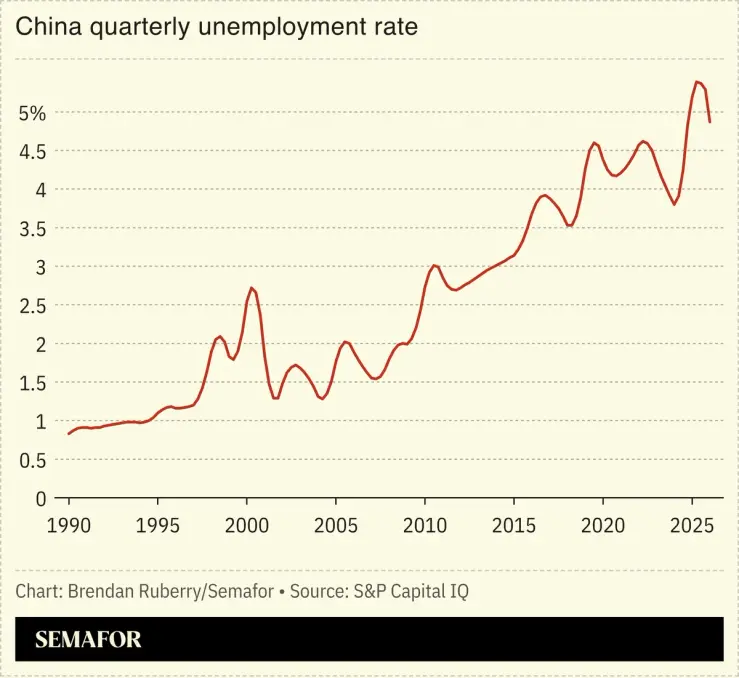
Core unemployment is hovering near record highs, according to data released this week. Growth in investment, industrial production, and retail sales all slowed in April. And corporate earnings are lagging behind stock market valuations.

fdfdfd

China looks for signs of optimism in its housing market (Kopiuj)

Czas czytania: 1 min

Economists debated whether there’s light at the end of the tunnel for China’s multiyear property slump.

Home prices in the country’s largest cities have ticked up this year, and sellers’ “panic listings” have fallen.

Some analysts “see a turning point” in the crisis and predict home prices will start recovering later this year, The New York Times wrote.

Others argue the uptick in prices is just a lull before another downturn. China’s economy still faces steep challenges.

Core unemployment is hovering near record highs, according to data released this week. Growth in investment, industrial production, and retail sales all slowed in April. And corporate earnings are lagging behind stock market valuations.

fdfdfd

China looks for signs of optimism in its housing market (Kopiuj)

Czas czytania: 1 min

Economists debated whether there’s light at the end of the tunnel for China’s multiyear property slump.

Home prices in the country’s largest cities have ticked up this year, and sellers’ “panic listings” have fallen.

Some analysts “see a turning point” in the crisis and predict home prices will start recovering later this year, The New York Times wrote.

Others argue the uptick in prices is just a lull before another downturn. China’s economy still faces steep challenges.

Core unemployment is hovering near record highs, according to data released this week. Growth in investment, industrial production, and retail sales all slowed in April. And corporate earnings are lagging behind stock market valuations.

fdfdfd

China looks for signs of optimism in its housing market

Czas czytania: 1 min

Economists debated whether there’s light at the end of the tunnel for China’s multiyear property slump.

Home prices in the country’s largest cities have ticked up this year, and sellers’ “panic listings” have fallen.

Some analysts “see a turning point” in the crisis and predict home prices will start recovering later this year, The New York Times wrote.

Others argue the uptick in prices is just a lull before another downturn. China’s economy still faces steep challenges.

Core unemployment is hovering near record highs, according to data released this week. Growth in investment, industrial production, and retail sales all slowed in April. And corporate earnings are lagging behind stock market valuations.

fdfdfd