Ransomware w I kwartale 2026: Mniej gangów, większa skuteczność ataków

Ransomware, Bitdefender, IBM
Krajobraz cyberzagrożeń w pierwszym kwartale 2026 roku przeszedł istotną transformację, w wyniku której mniejsza liczba grup ransomware osiąga bezprecedensową skuteczność ataków. Głównym motorem tych zmian jest wykorzystanie sztucznej inteligencji, co wymusza na organizacjach pilne wdrożenie nowoczesnych strategii obronnych opartych na architekturze Zero Trust.

Krajobraz cyberzagrożeń w pierwszym kwartale 2026 roku przeszedł istotną transformację. Choć liczba aktywnych grup ransomware uległa zmniejszeniu, te, które pozostały na rynku, osiągnęły niespotykaną dotąd precyzję i skuteczność.

Dane zebrane przez analityków Check Point Software malują obraz sektora, który zamiast na masowość, postawił na profesjonalizację. W ciągu pierwszych trzech miesięcy roku ofiarą ataków padło ponad dwa tysiące organizacji. Statystycznie oznacza to, że każdego miesiąca około 700 podmiotów traci kontrolę nad swoimi danymi. Choć na pierwszy rzut oka liczby te wydają się zbliżone do ubiegłorocznych, eksperci ostrzegają przed wyciąganiem pochopnych wniosków. Dzisiejsza skala ataków jest wynikiem systematycznych działań, a nie pojedynczych, masowych kampanii, co świadczy o większej stabilności i sile rażenia obecnych grup hakerskich.

Kluczowym czynnikiem zmieniającym zasady gry stała się sztuczna inteligencja. Sergey Shykevich z Check Point wskazuje, że AI drastycznie skraca tak zwany cykl życia ataku. To, co dawniej zajmowało dni lub tygodnie – od uzyskania wstępnego dostępu do pełnego zaszyfrowania serwerów – dziś dzieje się niemal w czasie rzeczywistym. Dzięki automatyzacji istniejące luki w zabezpieczeniach stają się krytycznym zagrożeniem szybciej, niż działy IT są w stanie zareagować.

„Sztuczna inteligencja zaczyna skracać cykl życia ataku – od uzyskania dostępu do eksploatacji – sprawiając, że istniejące punkty ekspozycji są groźniejsze niż kiedykolwiek” – ostrzega Sergey Shykevich.

Obserwujemy również postępującą konsolidację na rynku cyberprzestępczym. Obecnie cztery największe gangi ransomware odpowiadają za blisko 40 procent wszystkich udanych włamań. Ta koncentracja zasobów i kapitału pozwala atakującym na targetowanie najbardziej dochodowych branż, takich jak produkcja, usługi biznesowe, ochrona zdrowia oraz sektory przemysłowe, gdzie przestoje w pracy są najbardziej kosztowne.

T radycyjna ochrona urządzeń końcowych przestaje wystarczać. Nowoczesna strategia obrony musi przenieść punkt ciężkości na poziom dostępu do sieci i chmury. Eksperci coraz głośniej promują architekturę zaprojektowaną do ochrony rozproszonych środowisk IT, opartą na kontroli Zero Trust oraz aktywnym zarządzaniu ekspozycją (Exposure Management). Zamiast czekać na włamanie, organizacje muszą nieustannie identyfikować własne słabości i aktywa, blokując zagrożenia, zanim te w ogóle przenikną do wewnętrznej infrastruktury.

China looks for signs of optimism in its housing market (Kopiuj)

Czas czytania: 1 min

Economists debated whether there’s light at the end of the tunnel for China’s multiyear property slump.

Home prices in the country’s largest cities have ticked up this year, and sellers’ “panic listings” have fallen.

Some analysts “see a turning point” in the crisis and predict home prices will start recovering later this year, The New York Times wrote.

Others argue the uptick in prices is just a lull before another downturn. China’s economy still faces steep challenges.

Core unemployment is hovering near record highs, according to data released this week. Growth in investment, industrial production, and retail sales all slowed in April. And corporate earnings are lagging behind stock market valuations.

fdfdfd

China looks for signs of optimism in its housing market (Kopiuj)

Czas czytania: 1 min

Economists debated whether there’s light at the end of the tunnel for China’s multiyear property slump.

Home prices in the country’s largest cities have ticked up this year, and sellers’ “panic listings” have fallen.

Some analysts “see a turning point” in the crisis and predict home prices will start recovering later this year, The New York Times wrote.

Others argue the uptick in prices is just a lull before another downturn. China’s economy still faces steep challenges.

Core unemployment is hovering near record highs, according to data released this week. Growth in investment, industrial production, and retail sales all slowed in April. And corporate earnings are lagging behind stock market valuations.

fdfdfd

China looks for signs of optimism in its housing market (Kopiuj)

Czas czytania: 1 min

Economists debated whether there’s light at the end of the tunnel for China’s multiyear property slump.

Home prices in the country’s largest cities have ticked up this year, and sellers’ “panic listings” have fallen.

Some analysts “see a turning point” in the crisis and predict home prices will start recovering later this year, The New York Times wrote.

Others argue the uptick in prices is just a lull before another downturn. China’s economy still faces steep challenges.

Core unemployment is hovering near record highs, according to data released this week. Growth in investment, industrial production, and retail sales all slowed in April. And corporate earnings are lagging behind stock market valuations.

fdfdfd

China looks for signs of optimism in its housing market

Czas czytania: 1 min

Economists debated whether there’s light at the end of the tunnel for China’s multiyear property slump.

Home prices in the country’s largest cities have ticked up this year, and sellers’ “panic listings” have fallen.

Some analysts “see a turning point” in the crisis and predict home prices will start recovering later this year, The New York Times wrote.

Others argue the uptick in prices is just a lull before another downturn. China’s economy still faces steep challenges.

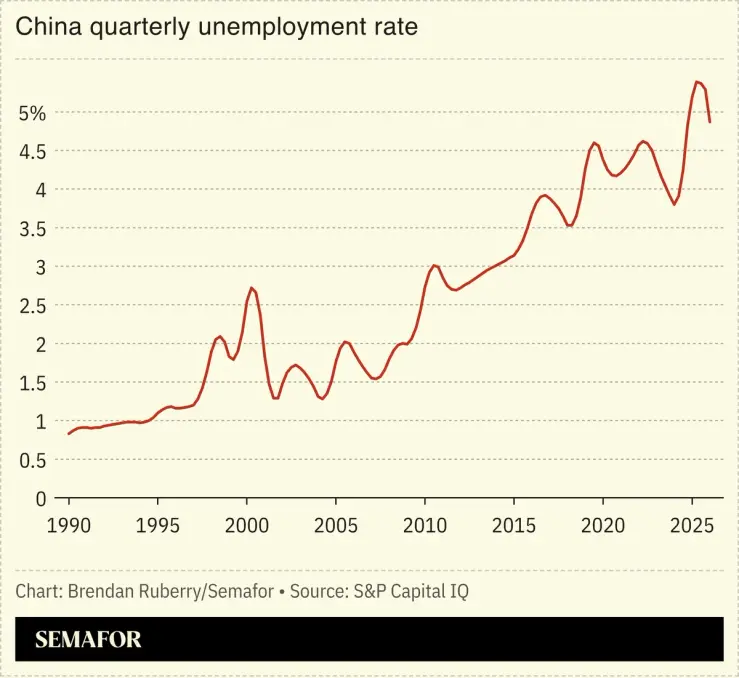
Core unemployment is hovering near record highs, according to data released this week. Growth in investment, industrial production, and retail sales all slowed in April. And corporate earnings are lagging behind stock market valuations.

fdfdfd