Skalowanie Claude Code: Anthropic wykorzysta superkomputer Colossus 1 do obsługi popytu

Technologia, wzrost, Rynek IT, trendy technologiczne, sztuczna inteligencja
Nagły sojusz Anthropic ze SpaceX to nie tylko koniec publicznego konfliktu między Elonem Muskiem a twórcami Claude’a, ale przede wszystkim pragmatyczny ruch w walce o deficytowe zasoby obliczeniowe. Udostępnienie superkomputera Colossus 1 daje Anthropic paliwo do zdominowania rynku autonomicznego kodowania, podczas gdy SpaceX zyskuje kluczowy argument biznesowy przed nadchodzącym debiutem giełdowym.

W świecie wielkiej technologii sojusze zmieniają się szybciej niż cykle szkoleniowe modeli. Ogłoszone właśnie porozumienie między AnthropicSpaceX w sprawie wykorzystania mocy obliczeniowej superkomputera Colossus 1 w Memphis to coś więcej niż zwykła dzierżawa serwerów. To strategiczny zwrot, który kończy publiczny spór Elona Muska z twórcami Claude’a i jednocześnie daje obu podmiotom paliwo do wyścigu, w którym stawką jest dominacja na rynku AI.

Fakty rynkowe są bezlitosne: popyt na moc obliczeniową stał się wąskim gardłem dla innowacji. Anthropic, dzięki dostępowi do ponad 220 tysięcy procesorów Nvidia i 300 megawatów nowej mocy, natychmiastowo zwiększa limity dla swoich flagowych narzędzi, takich jak Claude Code. Dla SpaceX, przygotowującego się do debiutu giełdowego, pozyskanie tak prestiżowego klienta jest jasnym sygnałem dla inwestorów – ambicje firmy sięgają daleko poza rakiety, celując w infrastrukturę obliczeniową nowej generacji, w tym wizjonerskie, gigawatowe centra danych na orbicie.

Równolegle z ogłoszeniem sojuszu, Anthropic zaprezentował funkcję „dreaming”. Pozwala ona systemom AI na analizę pracy między sesjami i samodzielną aktualizację kontekstu użytkownika. To wyraźny sygnał, że rynek przesuwa się od prostych chatbotów w stronę autonomicznych agentów zdolnych do optymalizacji własnych procesów.

Z perspektywy strategicznej warto zauważyć, że zmiana retoryki Elona Muska – od oskarżeń o stronniczość do uznania Anthropic za firmę „dobrą dla ludzkości” – sugeruje, że w branży AI pragmatyzm infrastrukturalny zaczyna wygrywać z ideologicznymi sporami. Dla przedsiębiorstw budujących swoją wartość na technologii Claude, usunięcie limitów w godzinach szczytu i zwiększenie wydajności planów Opus to realna szansa na przyspieszenie cykli deweloperskich.

Warto zwrócić uwagę na rosnącą rolę narzędzi typu agentic AI w codziennej pracy zespołów programistycznych. Firmy, które dziś wdrożą rutyny automatyzujące komunikację między modelami, mogą zyskać przewagę operacyjną, zanim rynek w pełni nasyci się nowymi możliwościami. Jednocześnie, obserwując długofalowe plany SpaceX i Anthropic dotyczące orbitalnych centrów danych, zasadne wydaje się monitorowanie odporności własnej infrastruktury na nadchodzące zmiany w modelu dostarczania mocy obliczeniowej. Skala i szybkość, z jaką Anthropic wdraża nowe zasoby, sugerują, że obecnie to nie algorytmy, a dostęp do energii i krzemu staje się ostatecznym wyznacznikiem rynkowego sukcesu.

China looks for signs of optimism in its housing market (Kopiuj)

Czas czytania: 1 min

Economists debated whether there’s light at the end of the tunnel for China’s multiyear property slump.

Home prices in the country’s largest cities have ticked up this year, and sellers’ “panic listings” have fallen.

Some analysts “see a turning point” in the crisis and predict home prices will start recovering later this year, The New York Times wrote.

Others argue the uptick in prices is just a lull before another downturn. China’s economy still faces steep challenges.

Core unemployment is hovering near record highs, according to data released this week. Growth in investment, industrial production, and retail sales all slowed in April. And corporate earnings are lagging behind stock market valuations.

fdfdfd

China looks for signs of optimism in its housing market (Kopiuj)

Czas czytania: 1 min

Economists debated whether there’s light at the end of the tunnel for China’s multiyear property slump.

Home prices in the country’s largest cities have ticked up this year, and sellers’ “panic listings” have fallen.

Some analysts “see a turning point” in the crisis and predict home prices will start recovering later this year, The New York Times wrote.

Others argue the uptick in prices is just a lull before another downturn. China’s economy still faces steep challenges.

Core unemployment is hovering near record highs, according to data released this week. Growth in investment, industrial production, and retail sales all slowed in April. And corporate earnings are lagging behind stock market valuations.

fdfdfd

China looks for signs of optimism in its housing market (Kopiuj)

Czas czytania: 1 min

Economists debated whether there’s light at the end of the tunnel for China’s multiyear property slump.

Home prices in the country’s largest cities have ticked up this year, and sellers’ “panic listings” have fallen.

Some analysts “see a turning point” in the crisis and predict home prices will start recovering later this year, The New York Times wrote.

Others argue the uptick in prices is just a lull before another downturn. China’s economy still faces steep challenges.

Core unemployment is hovering near record highs, according to data released this week. Growth in investment, industrial production, and retail sales all slowed in April. And corporate earnings are lagging behind stock market valuations.

fdfdfd

China looks for signs of optimism in its housing market

Czas czytania: 1 min

Economists debated whether there’s light at the end of the tunnel for China’s multiyear property slump.

Home prices in the country’s largest cities have ticked up this year, and sellers’ “panic listings” have fallen.

Some analysts “see a turning point” in the crisis and predict home prices will start recovering later this year, The New York Times wrote.

Others argue the uptick in prices is just a lull before another downturn. China’s economy still faces steep challenges.

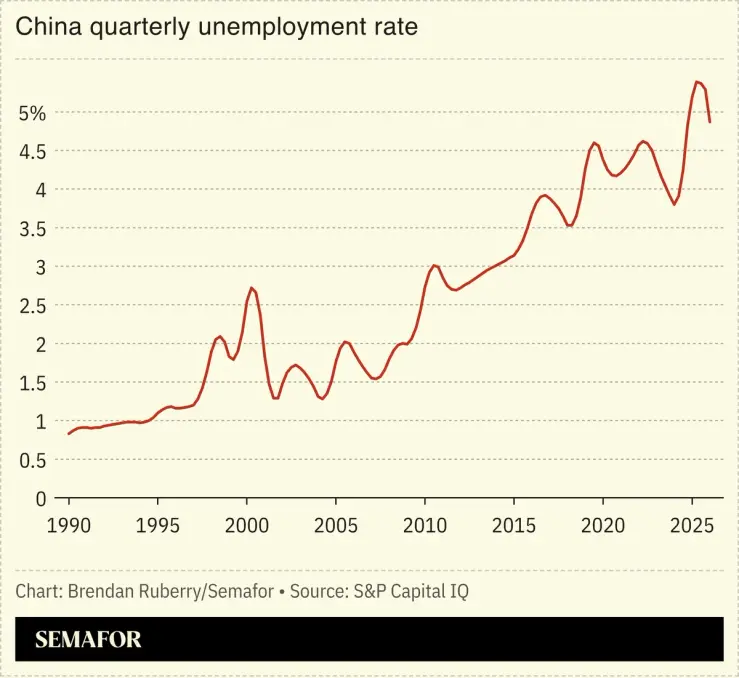
Core unemployment is hovering near record highs, according to data released this week. Growth in investment, industrial production, and retail sales all slowed in April. And corporate earnings are lagging behind stock market valuations.

fdfdfd